All Auctions
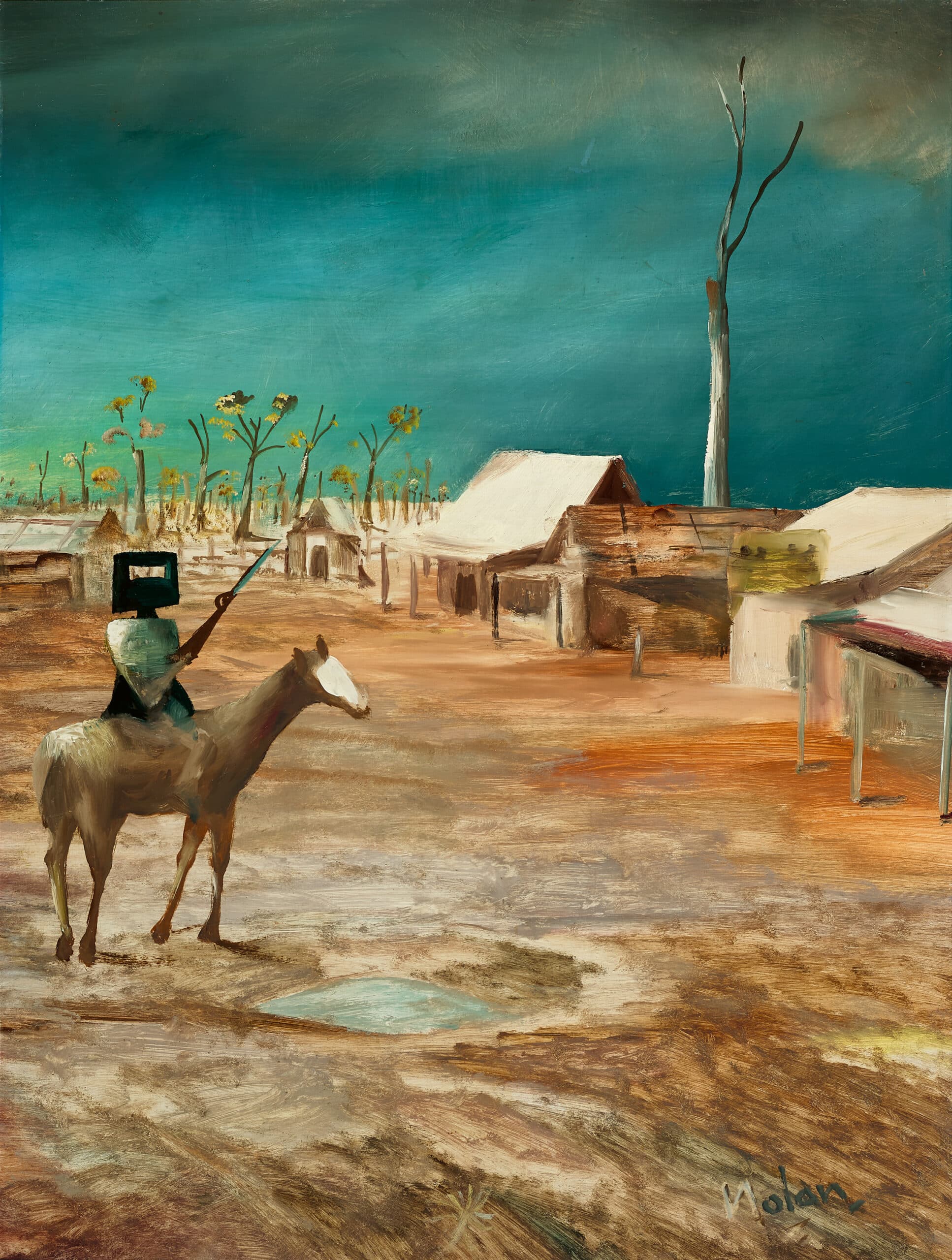
Sidney Nolan (1917 - 1992) Early morning township, 1955 (detail). Sold for $2,700,000 (inc. BP) 16 August 2023
Entries now invited
We are now welcoming consignments of Australian and international art for our forthcoming November auction. Contact our specialists for a confidential appraisal.
Sidney Nolan (1917 - 1992) Early morning township, 1955 (detail). Sold for $2,700,000 (inc. BP) 16 August 2023

All online auctions are previewed in our Melbourne gallery before and during the online auction.
Final call for entries
Online auction opens 10 September, final bids 15 September from 7.00 pm
All online auctions are previewed in our Melbourne gallery before and during the online auction.
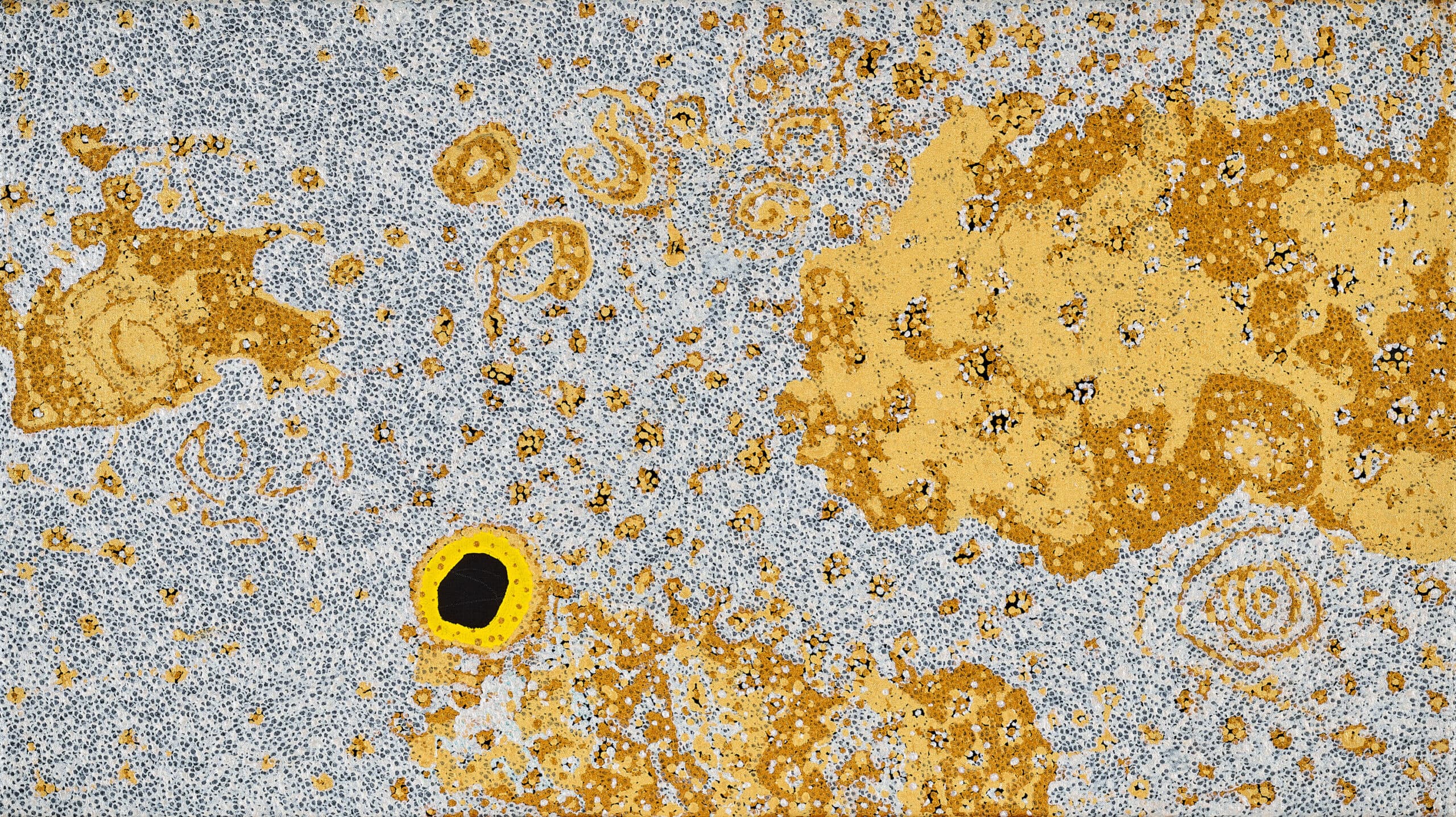
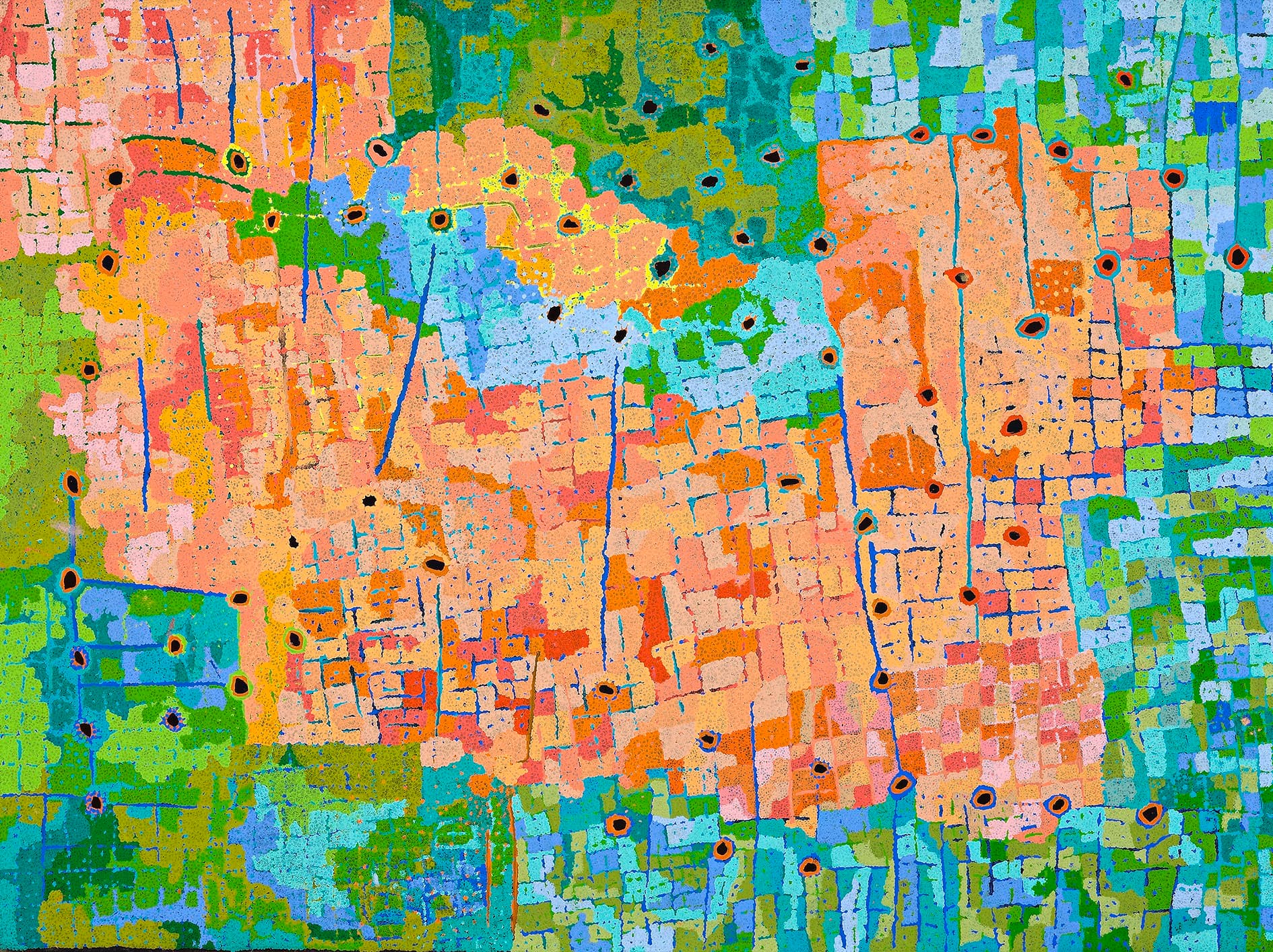
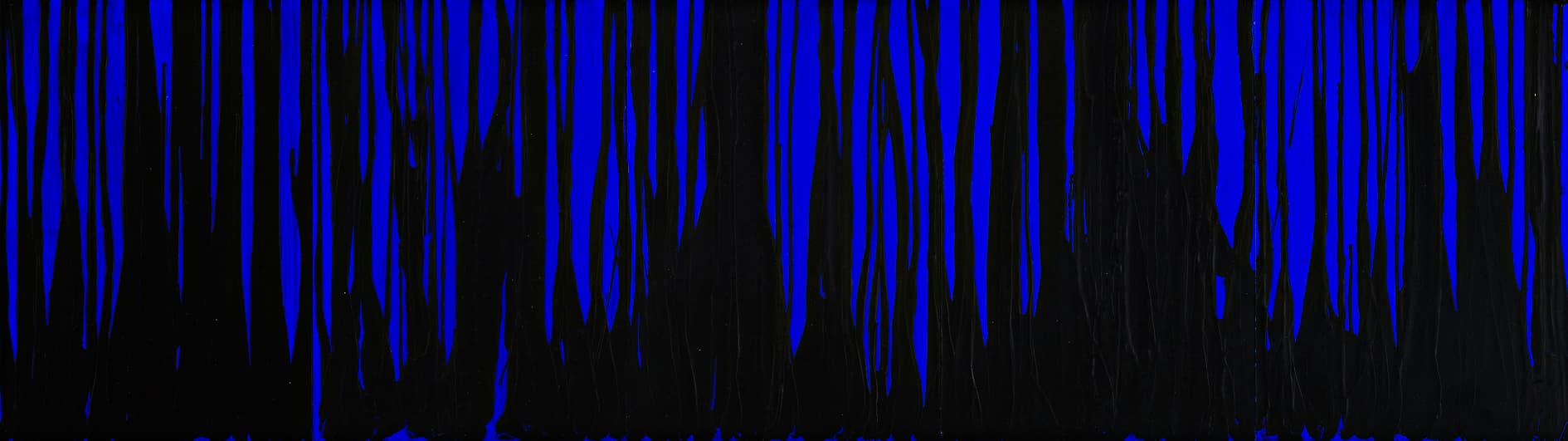
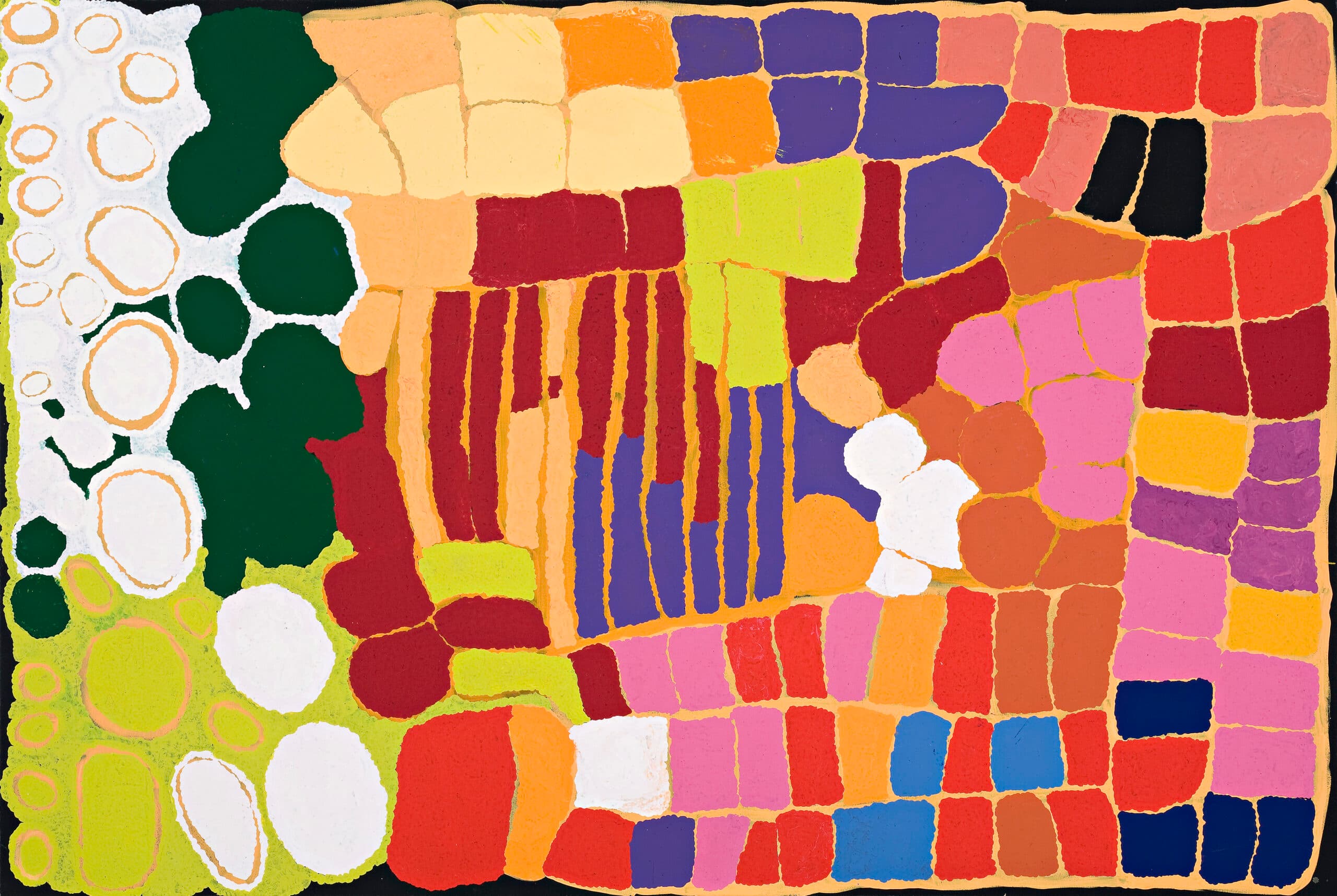
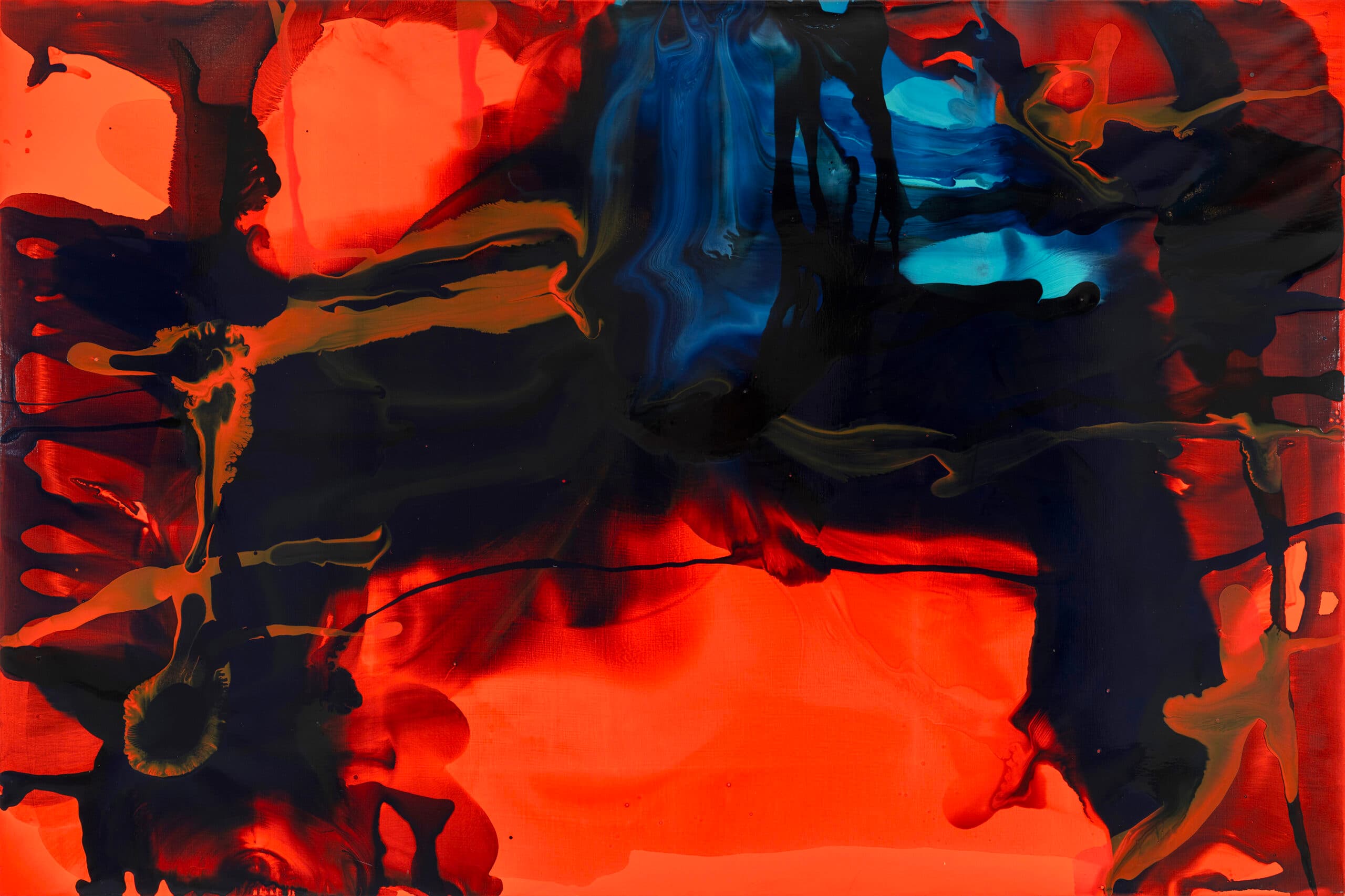
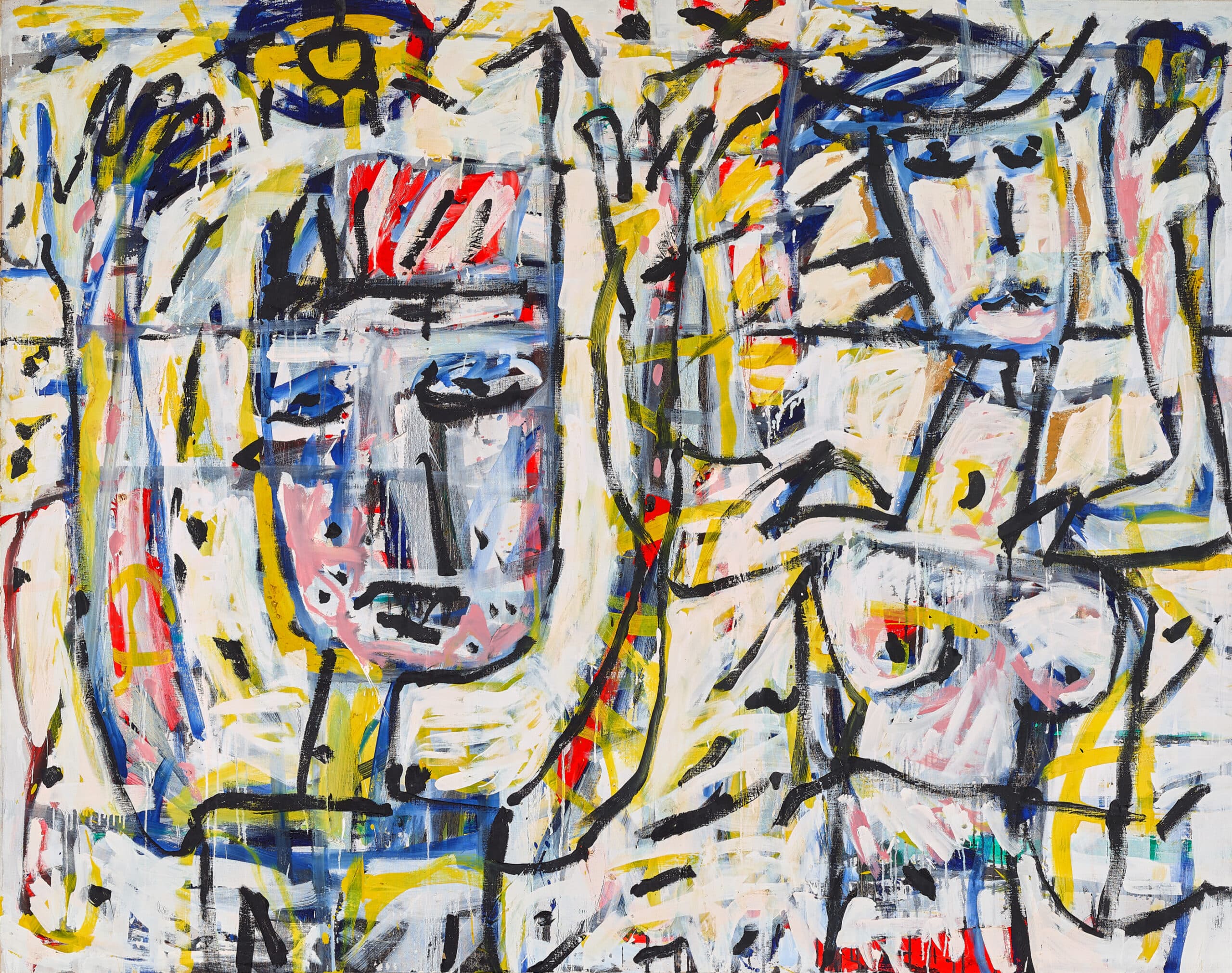
© Daniel Walbidi / Copyright Agency, 2026
Online Auction
bidding opens Thursday 21 May at 7.00 pm
bidding closes Tuesday 26 May from 7.00 pm
All artworks will be on view in Melbourne gallery
Thursday 21 – Friday 22 May – 9.30 am till 5.30 pm
Saturday 23 May – 11.00 am – 3.00 pm
Monday 25 – Tuesday 26 May – 9.30 am till 5.30 pm
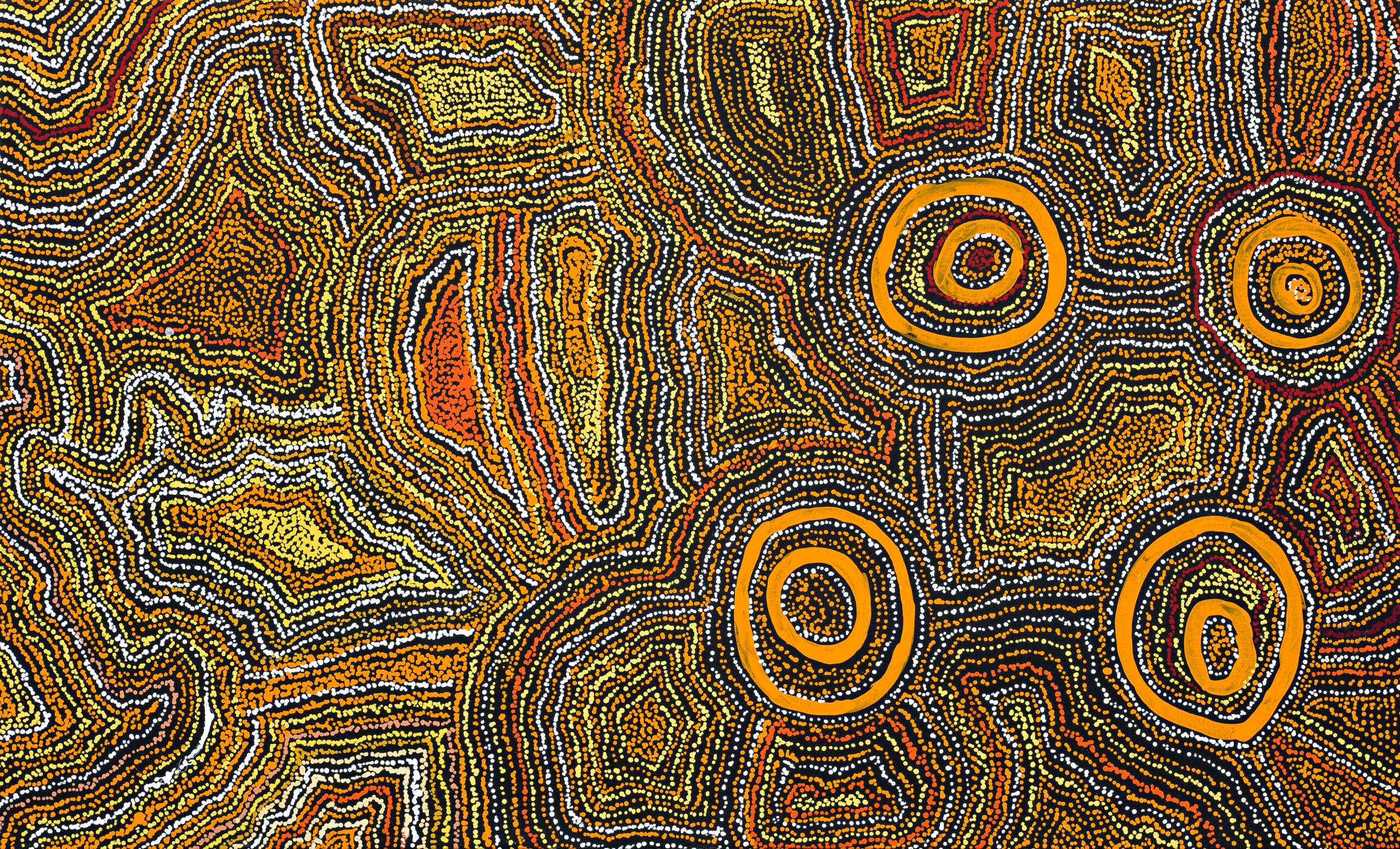
© Daniel Walbidi / Copyright Agency, 2026
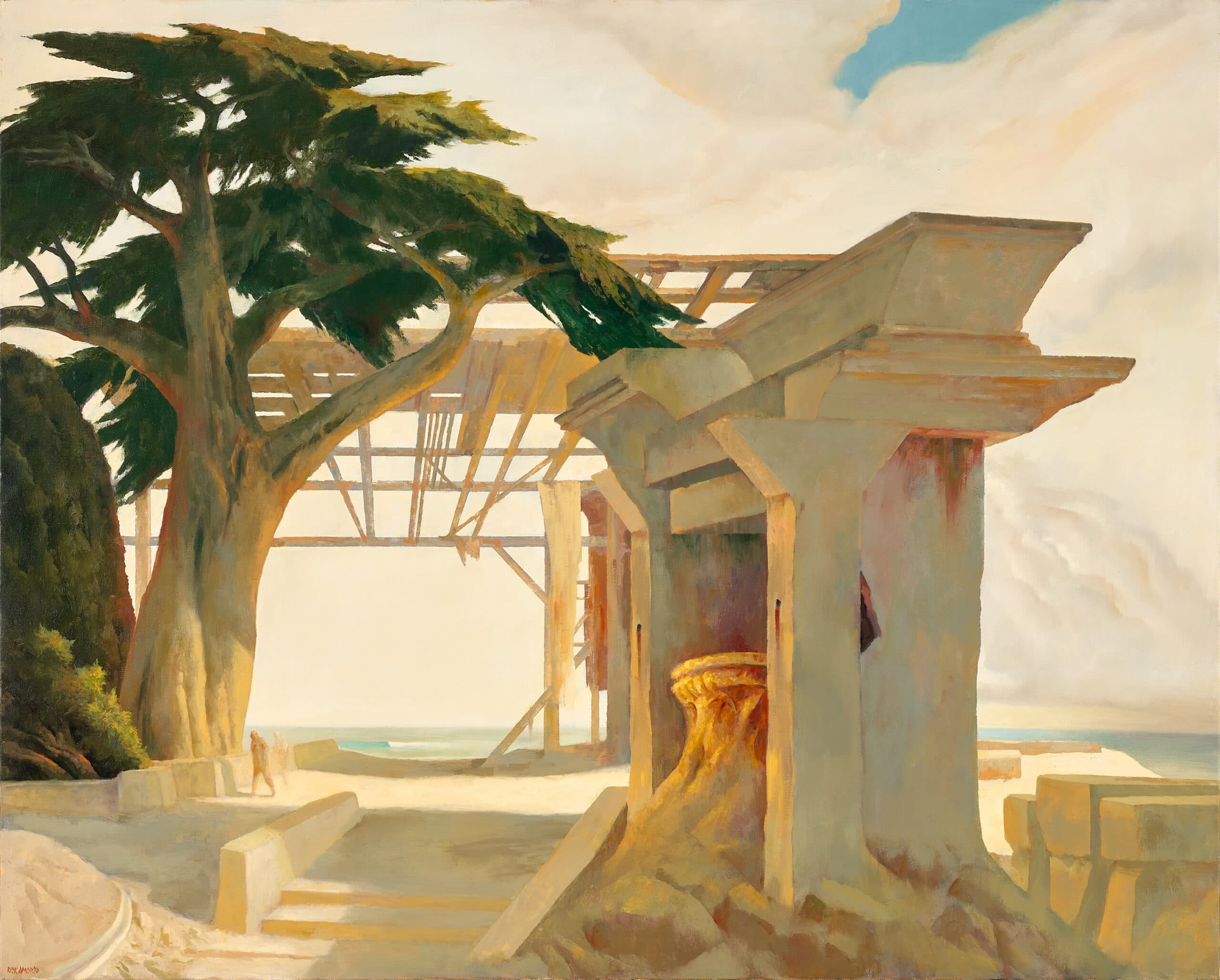
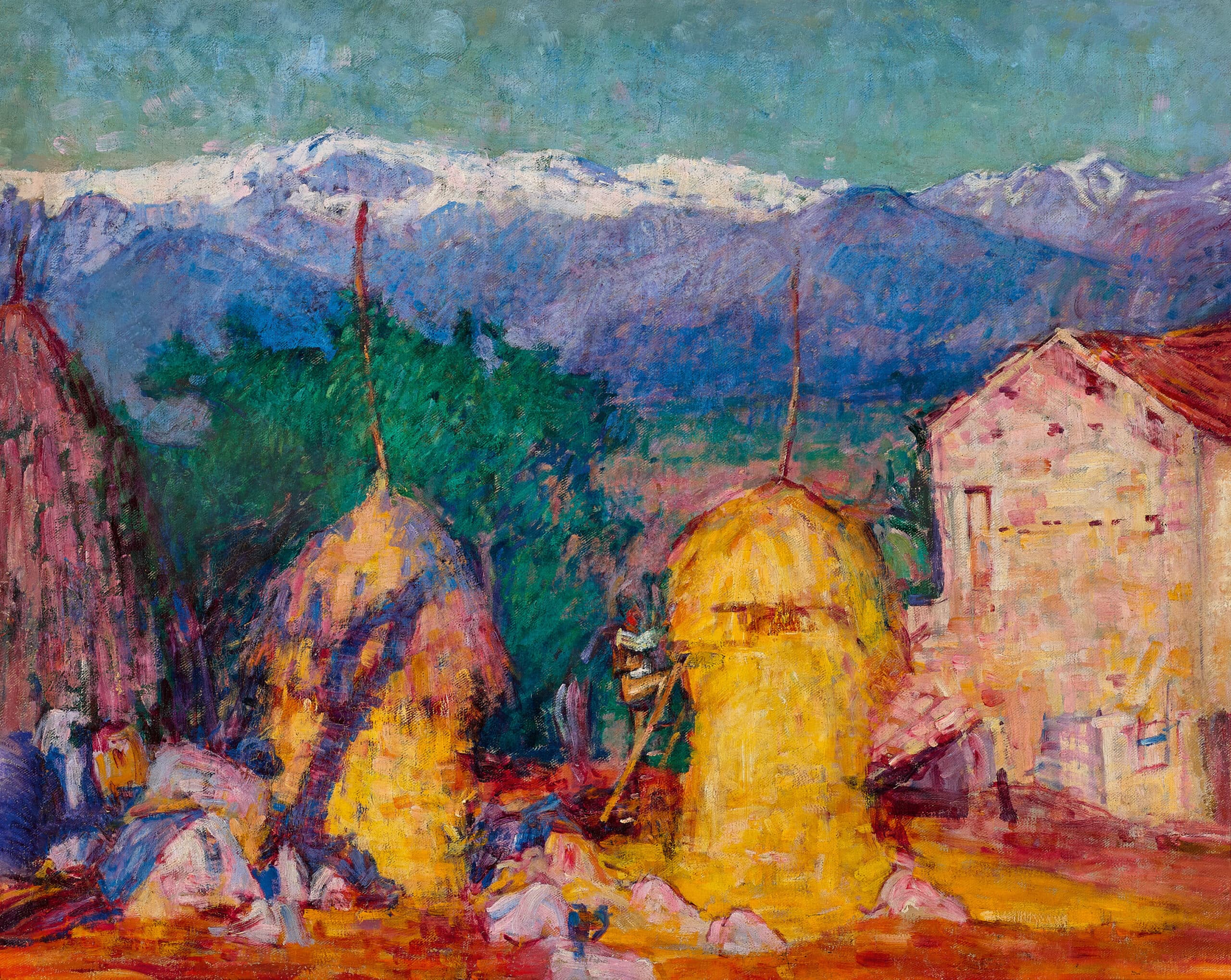
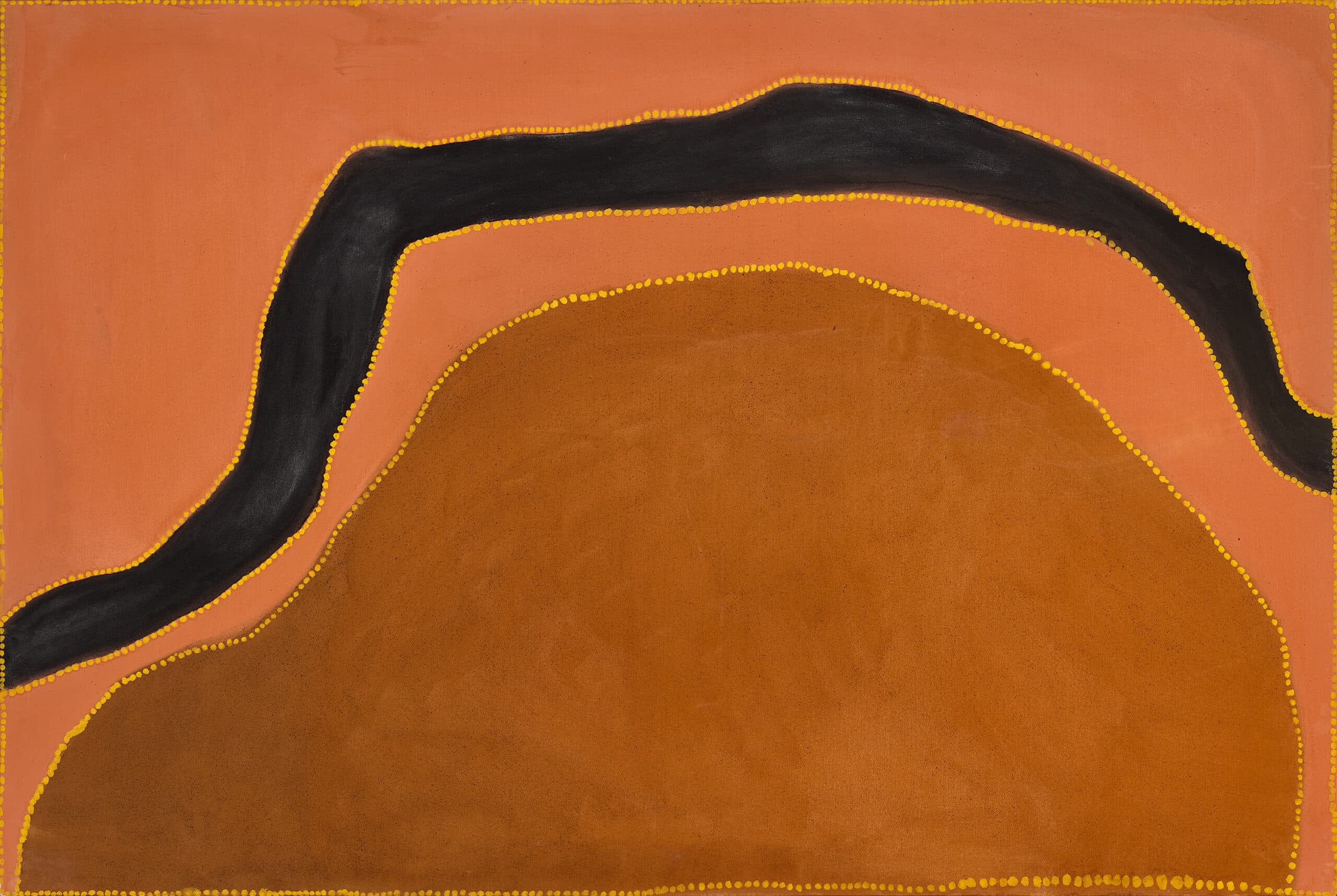


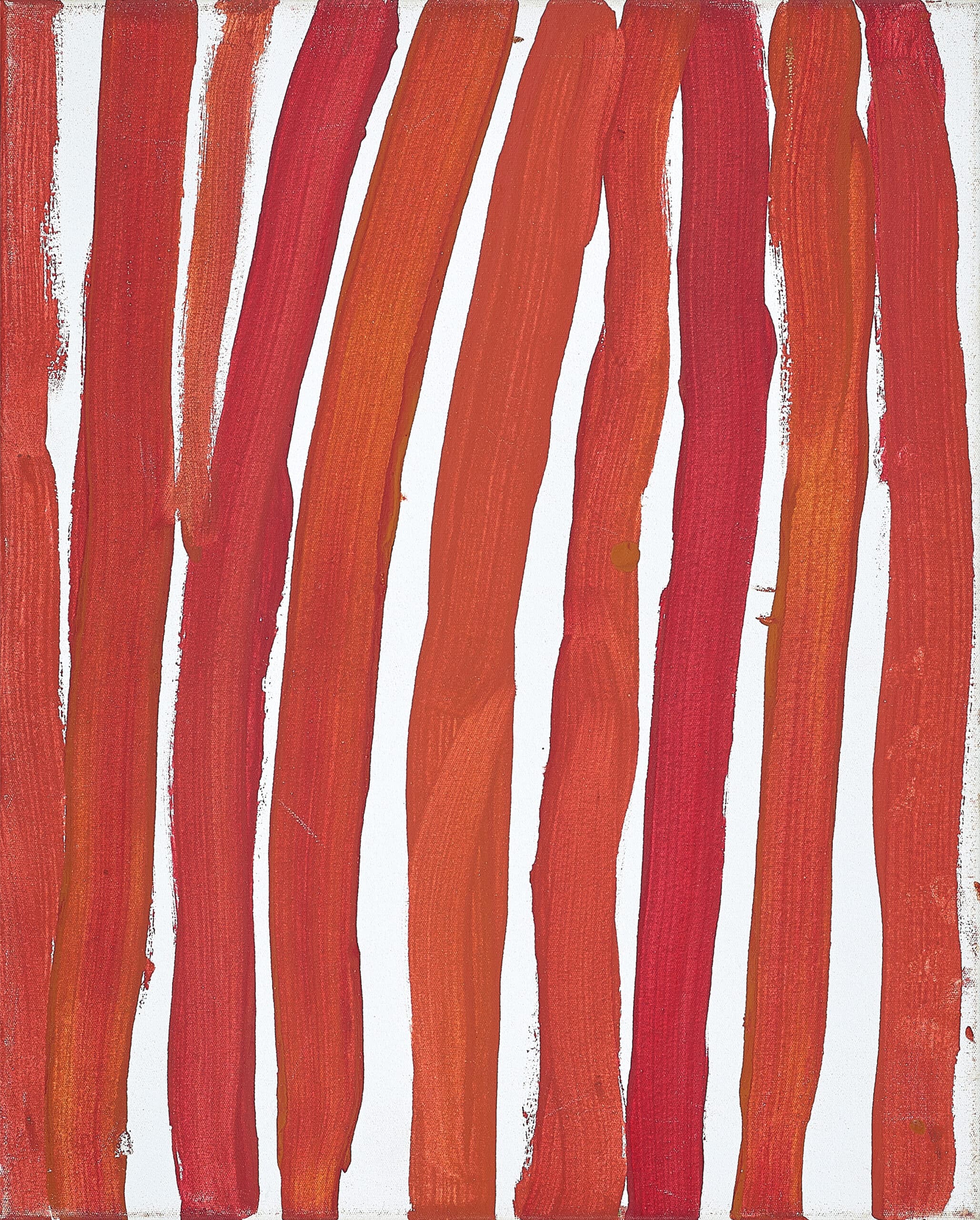
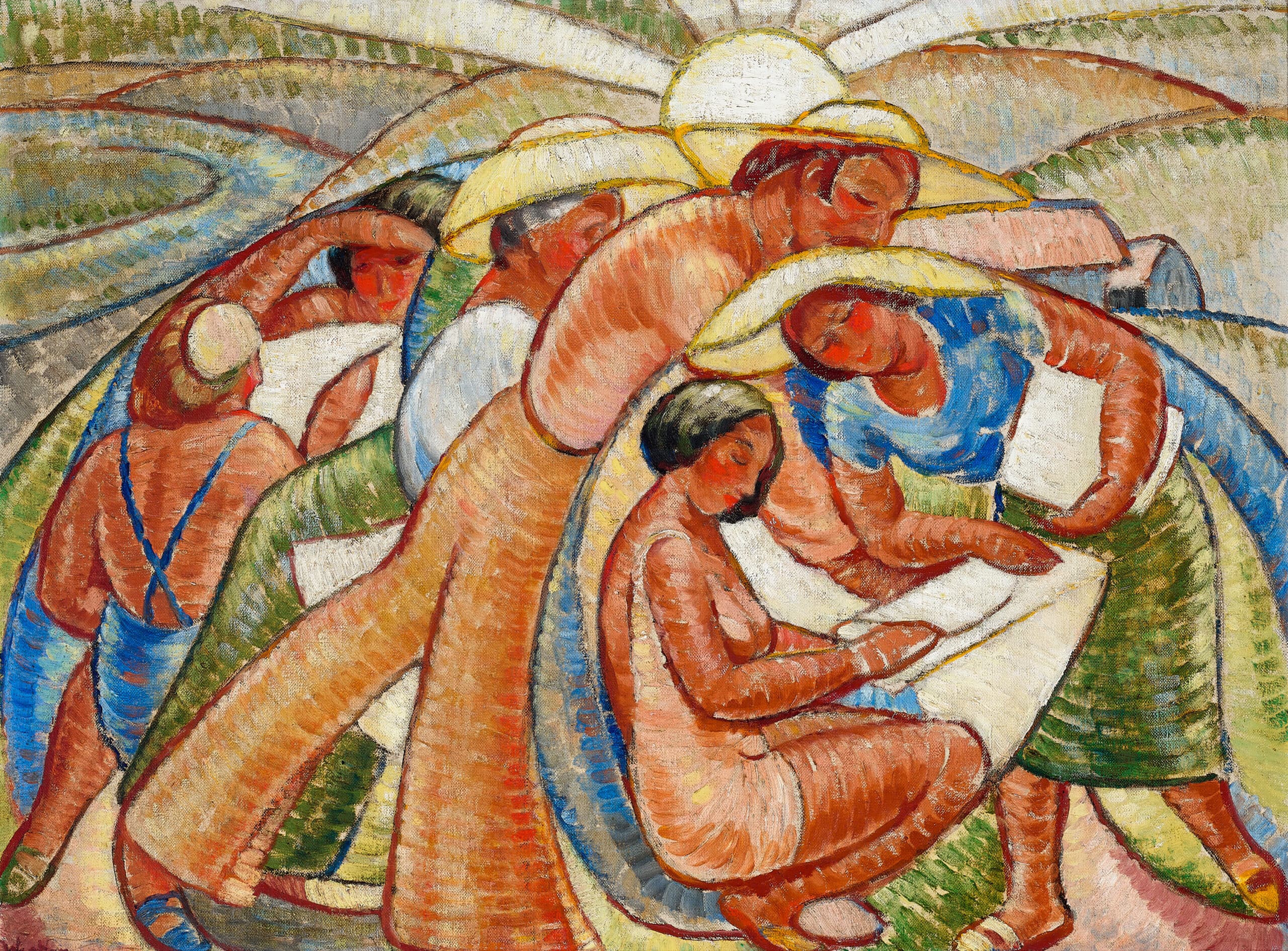


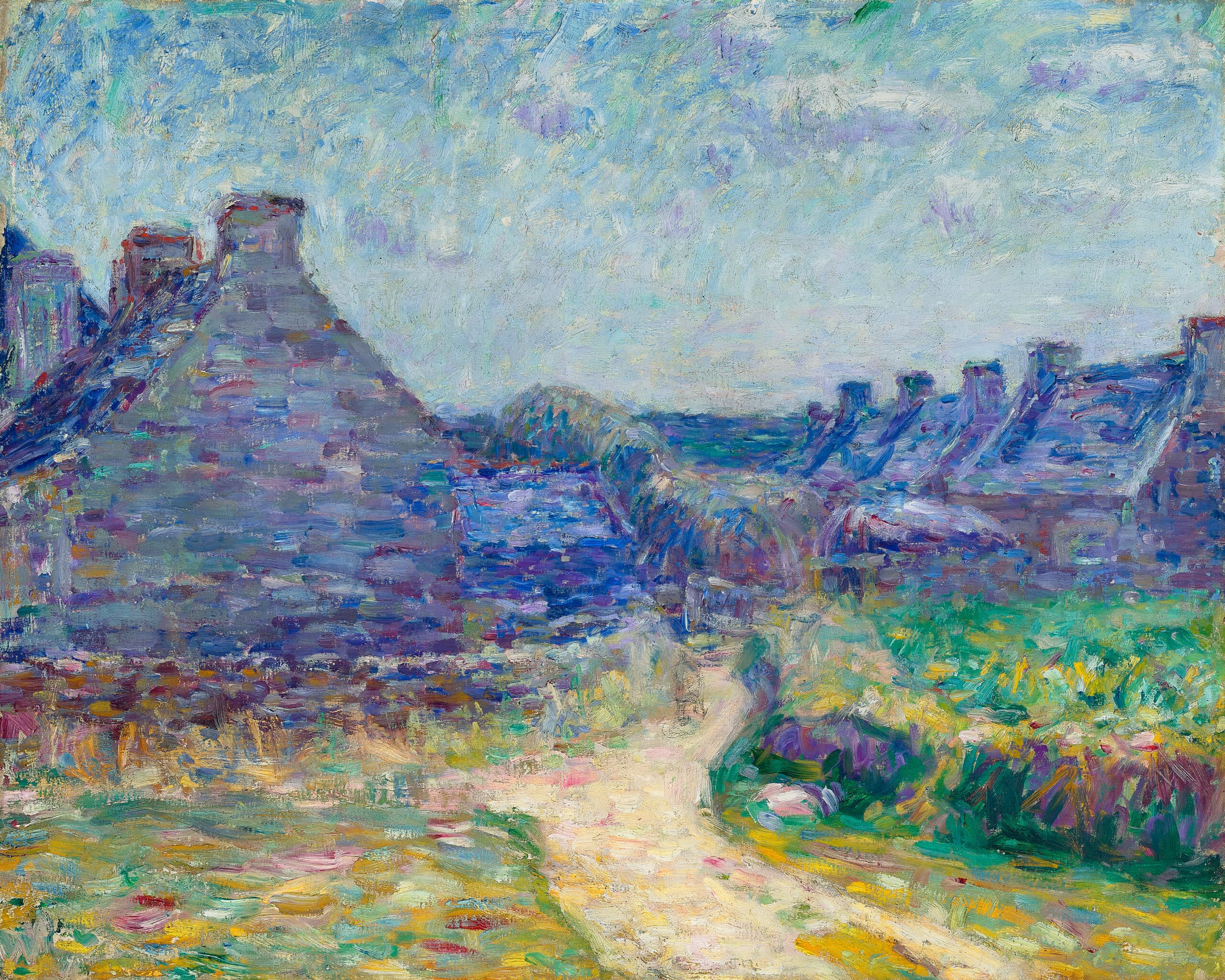

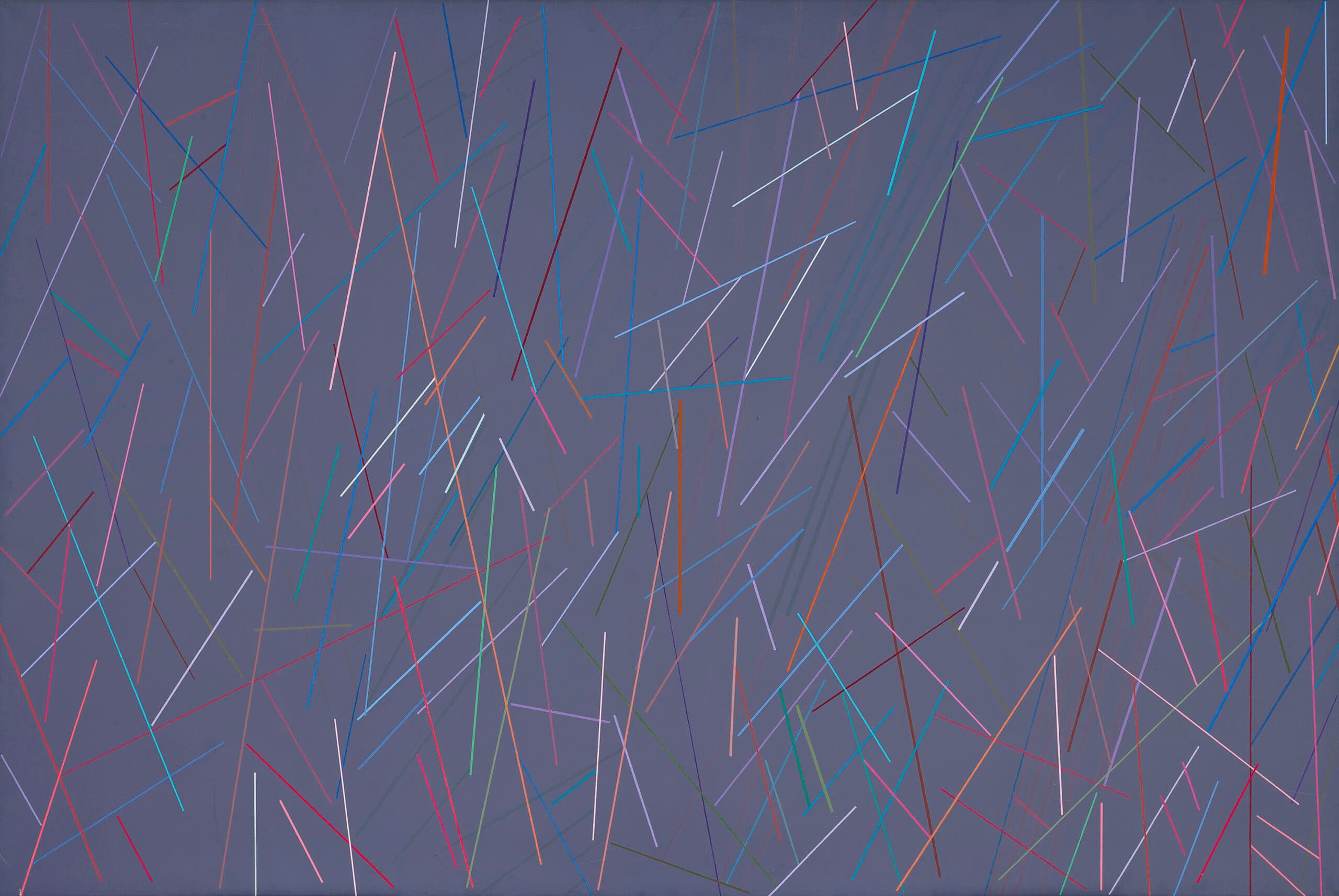
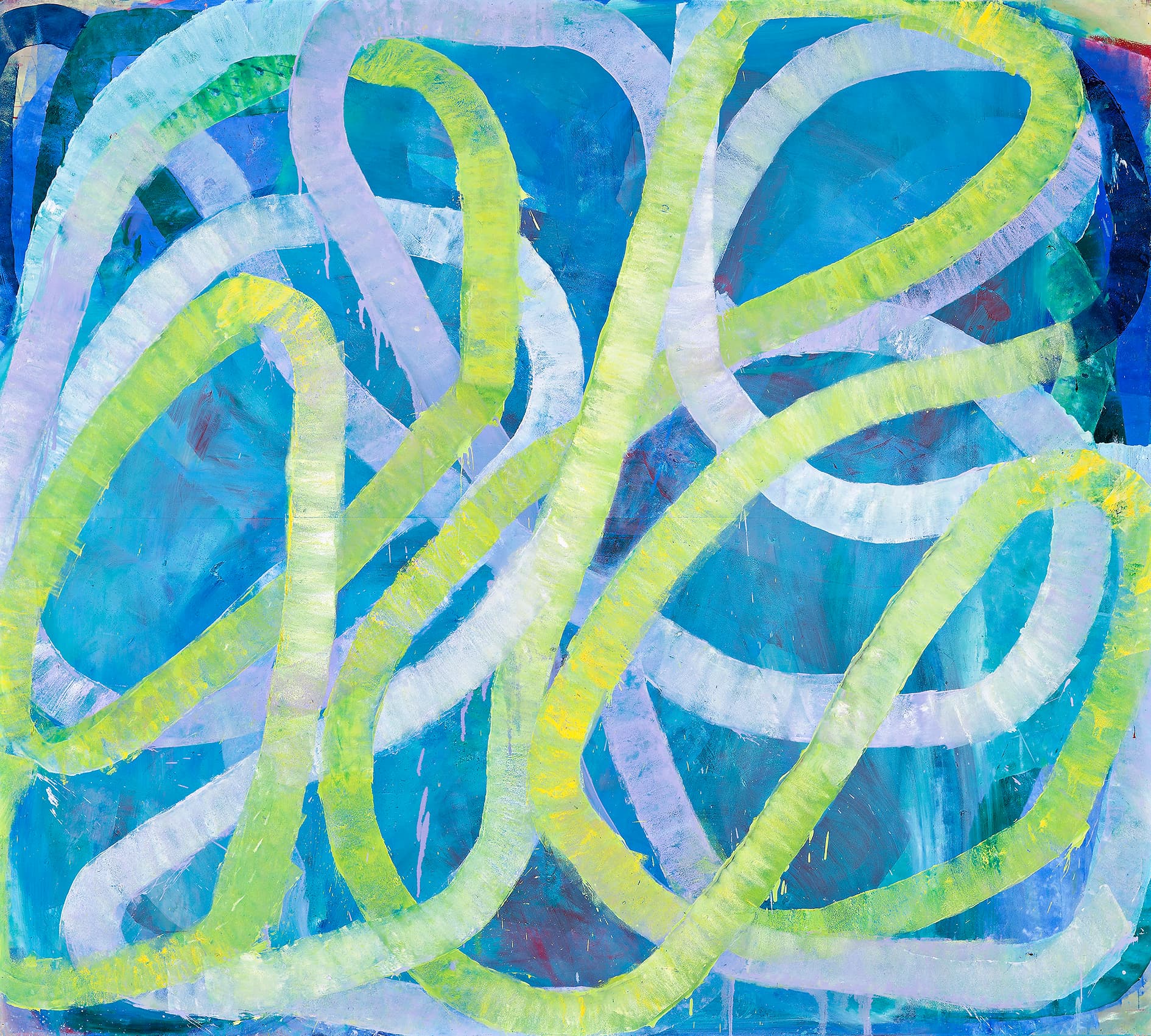
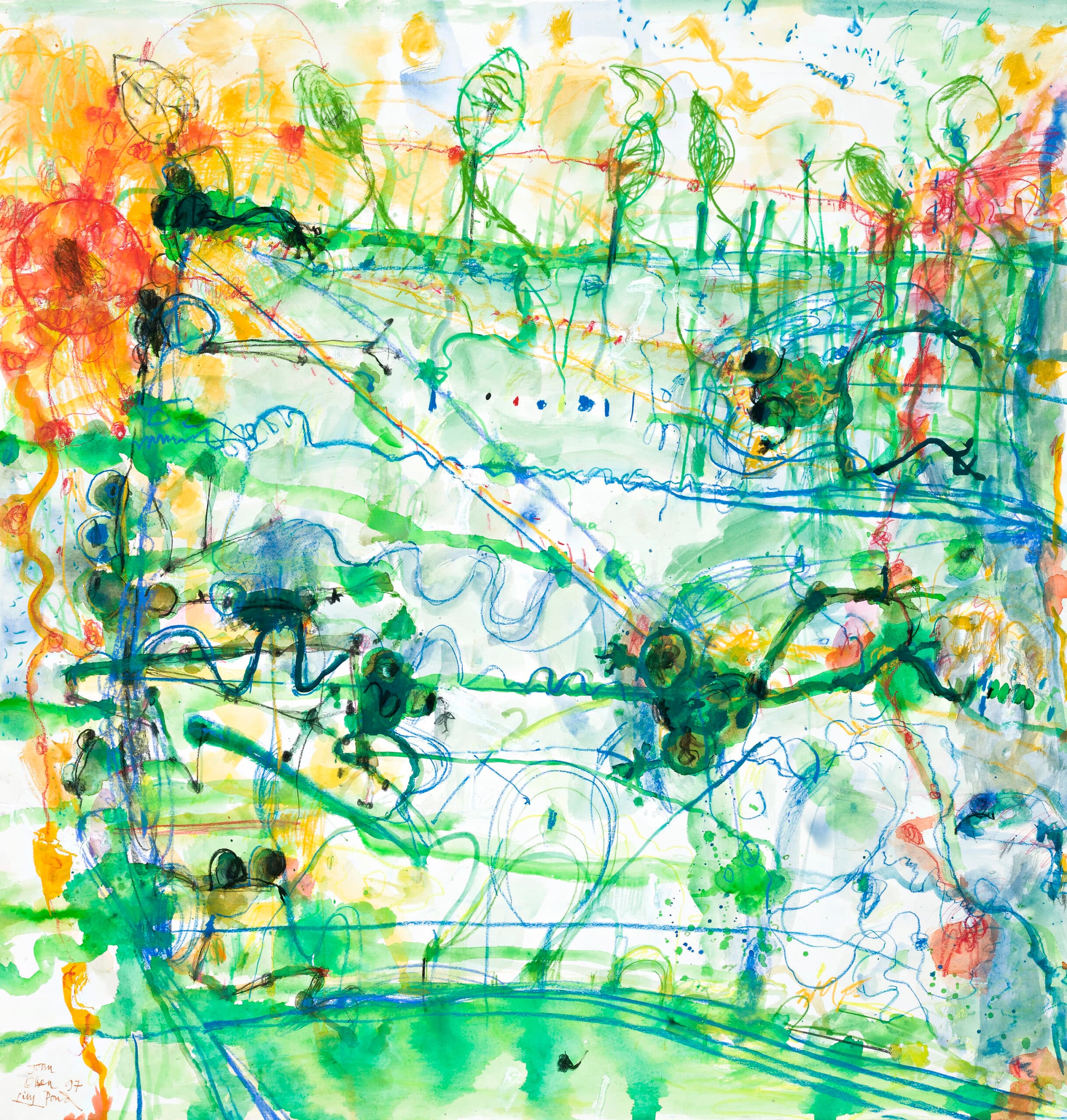
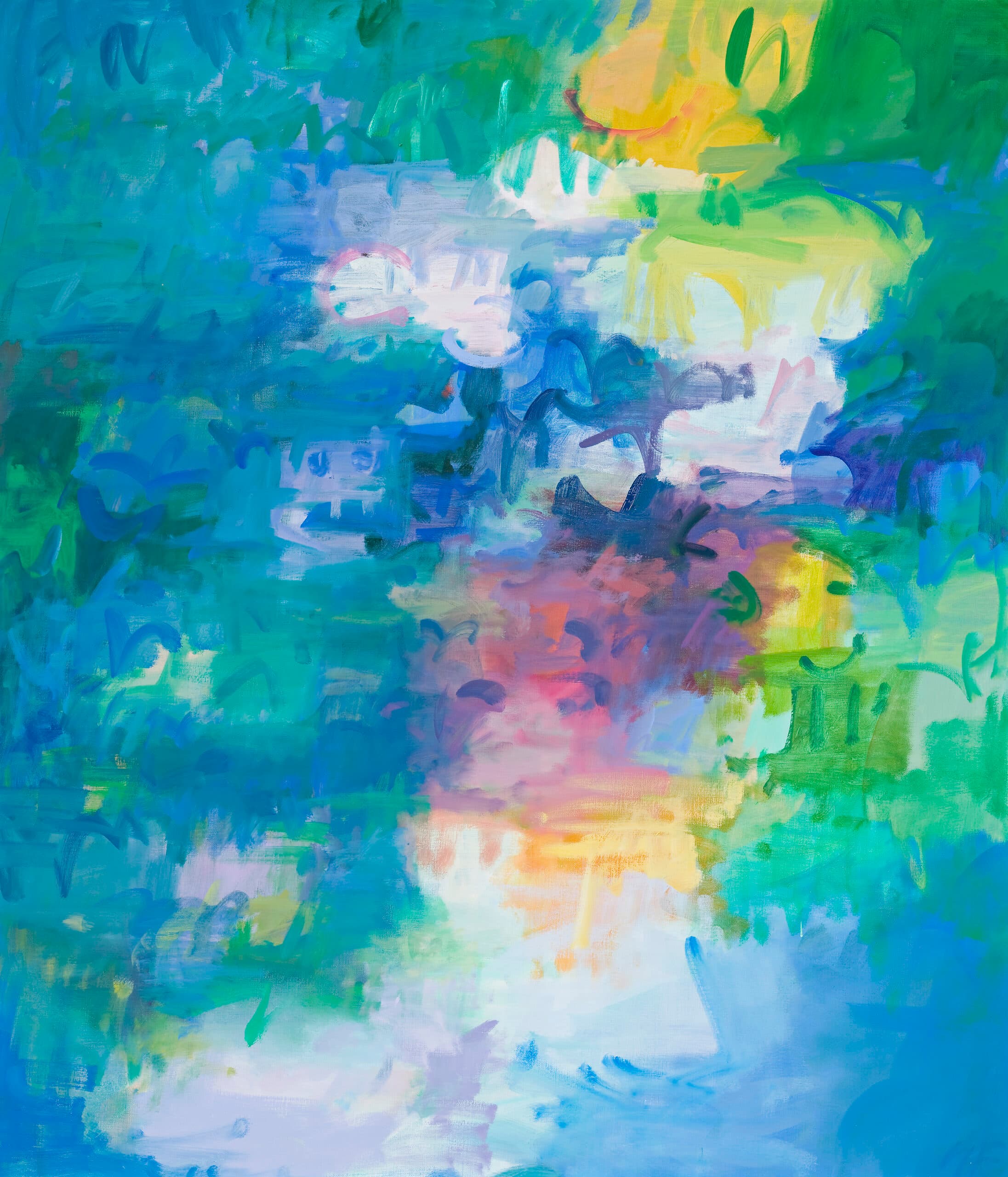
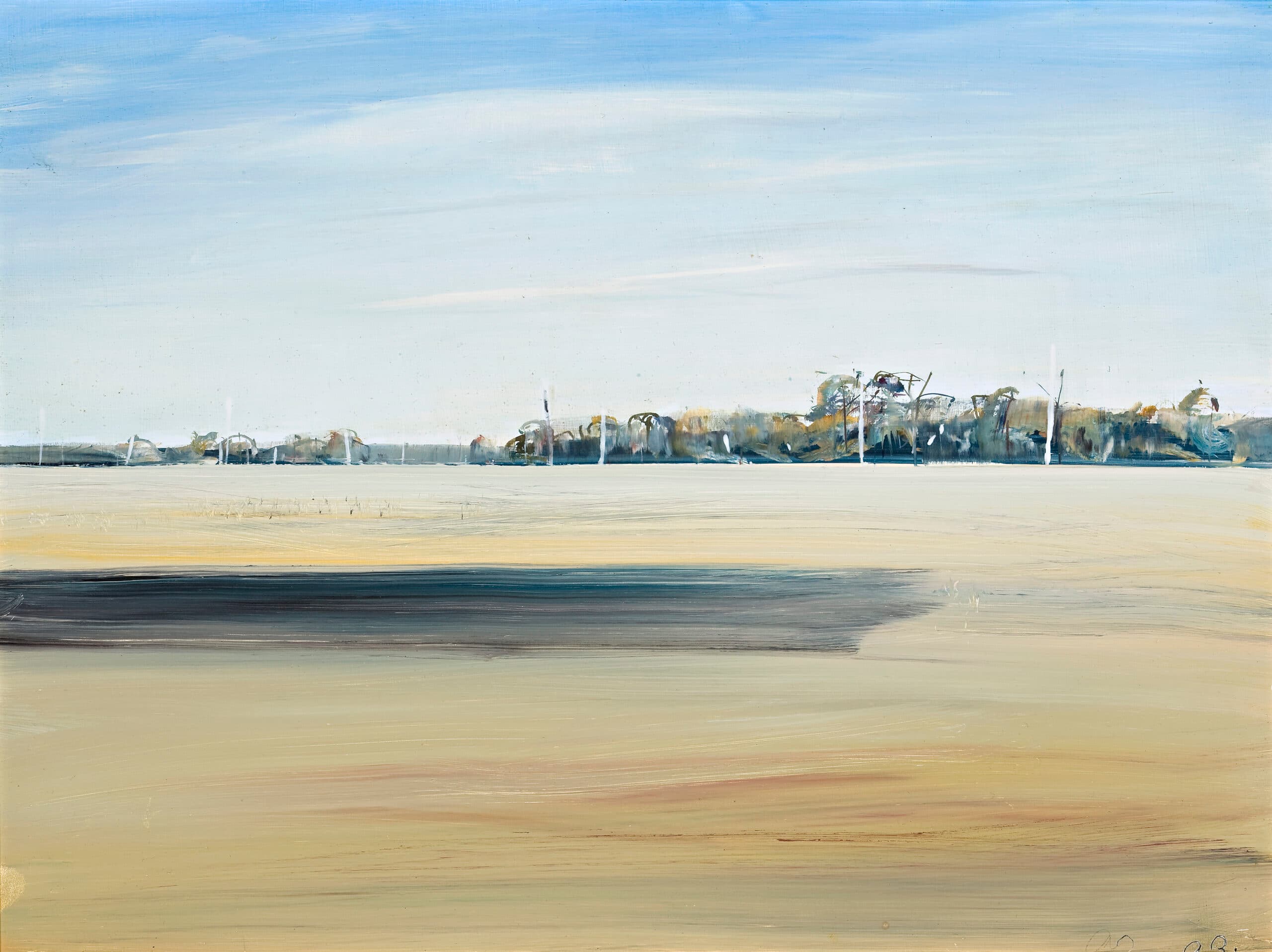
© Lesley Dumbrell/Copyright Agency, 2024
© Lesley Dumbrell/Copyright Agency, 2024

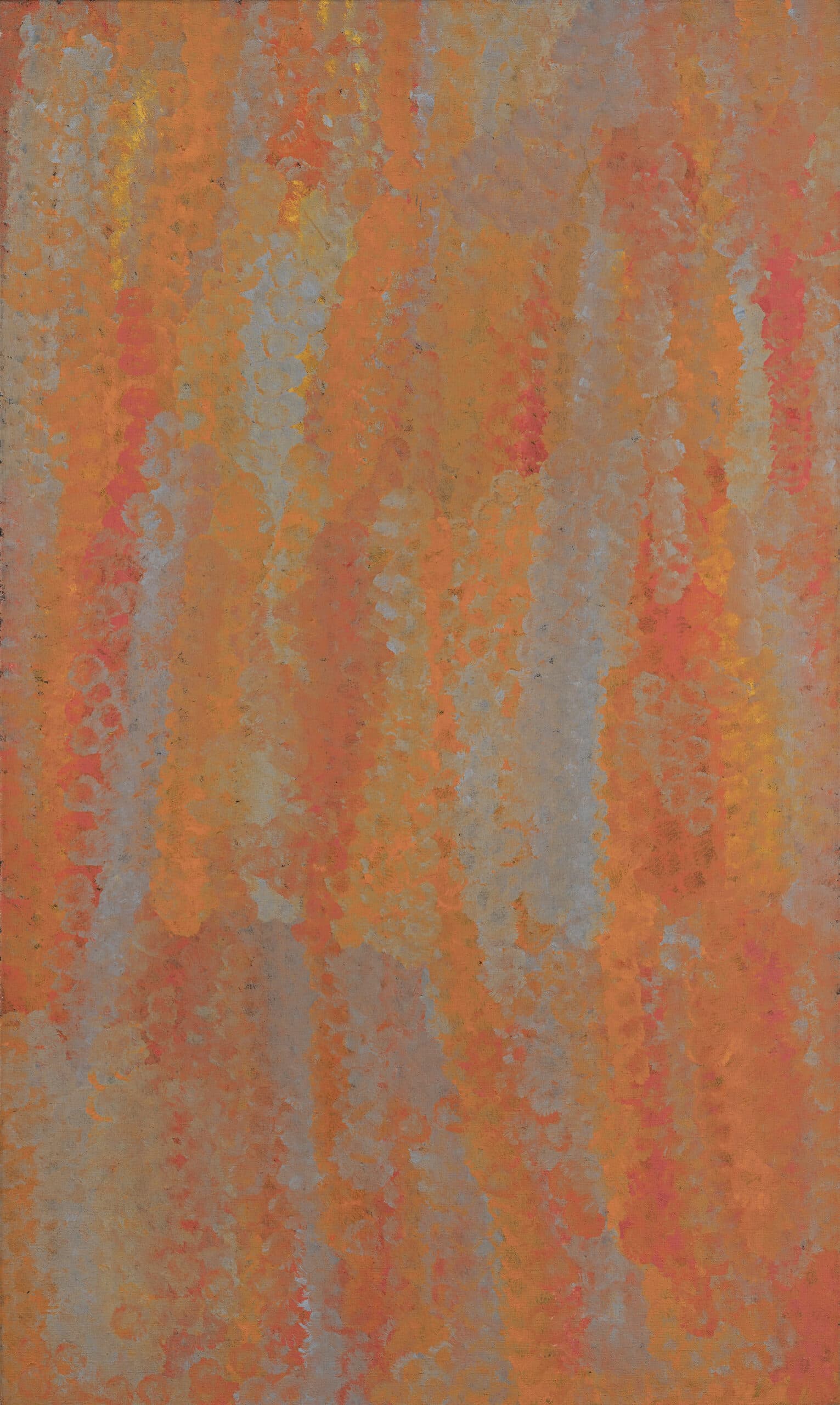
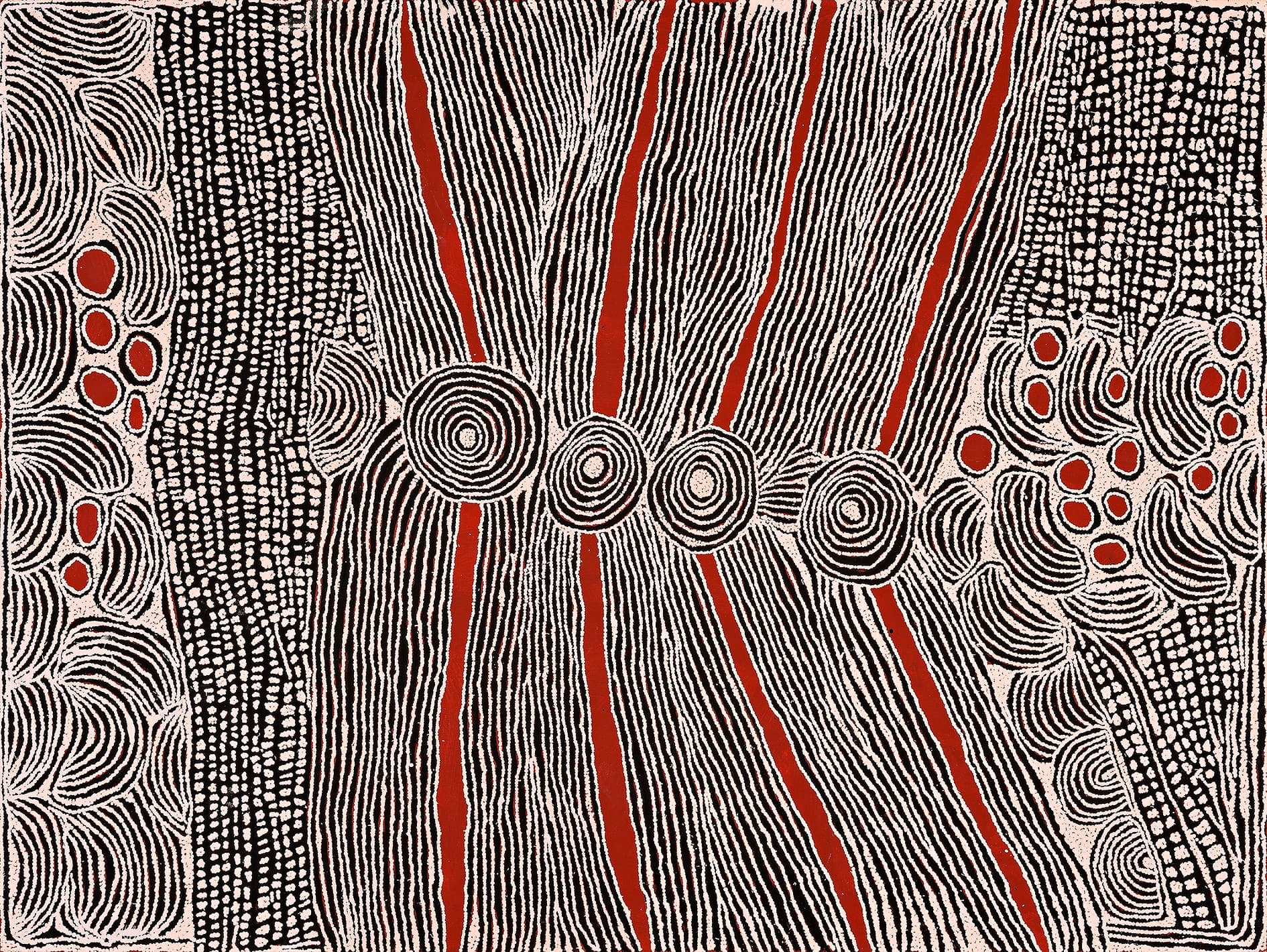
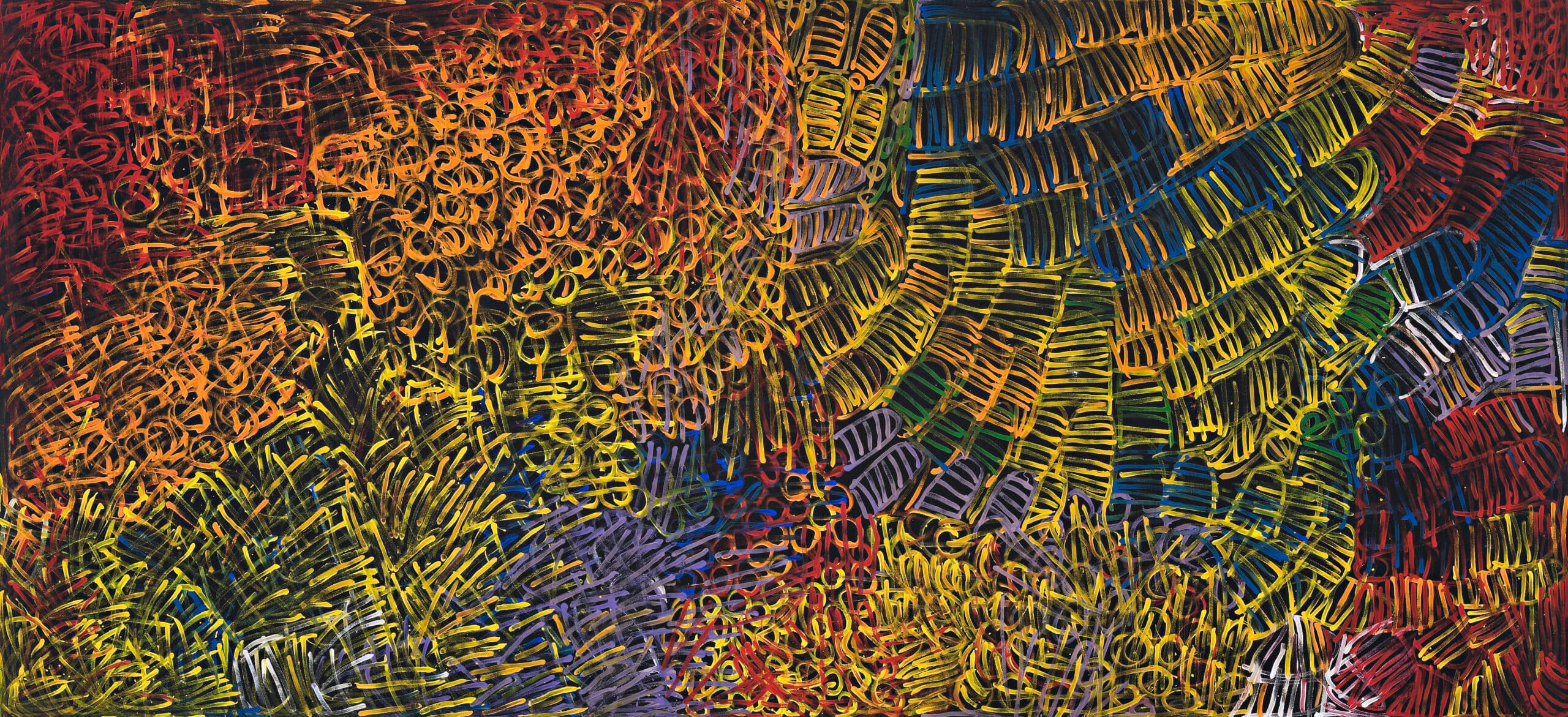
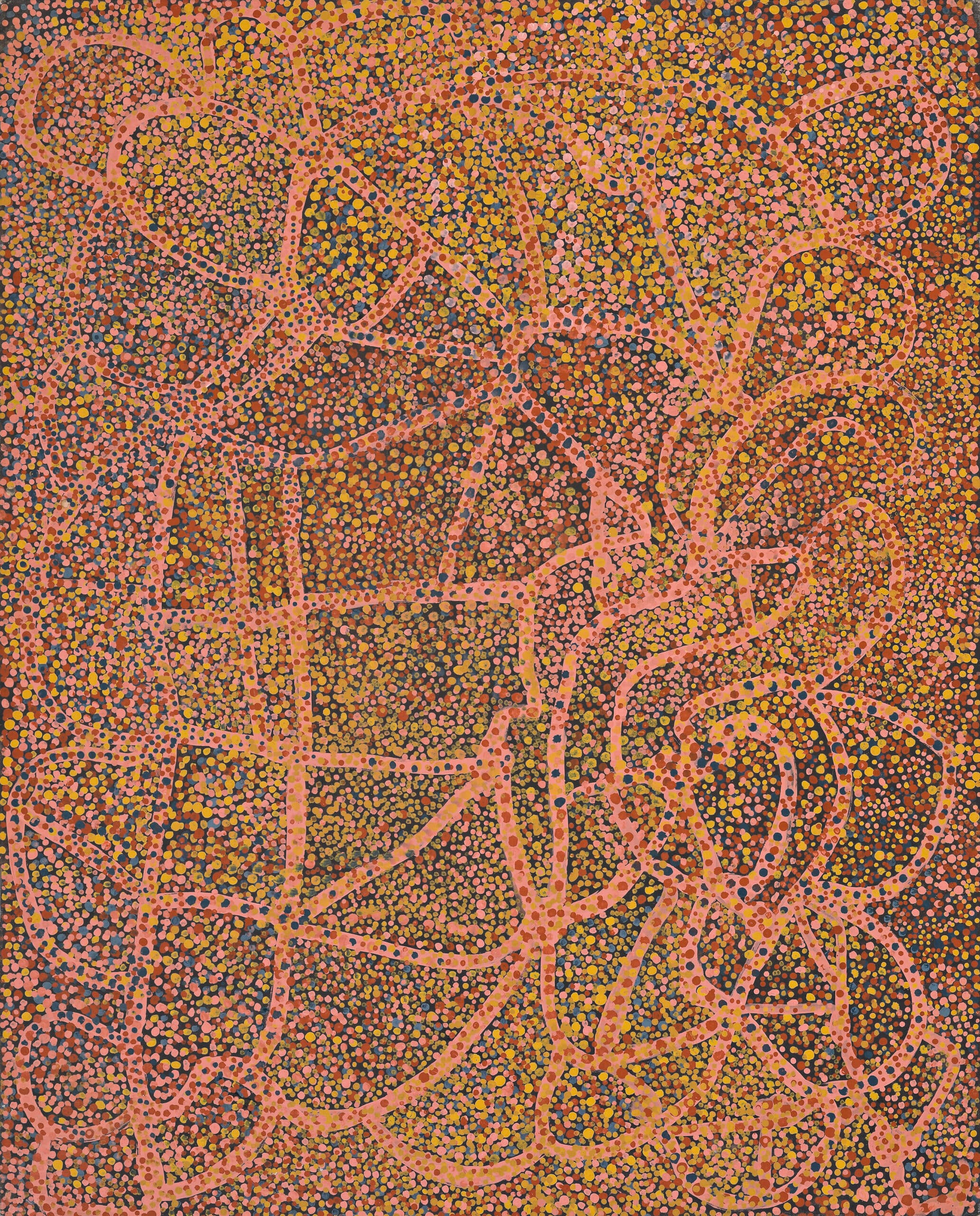
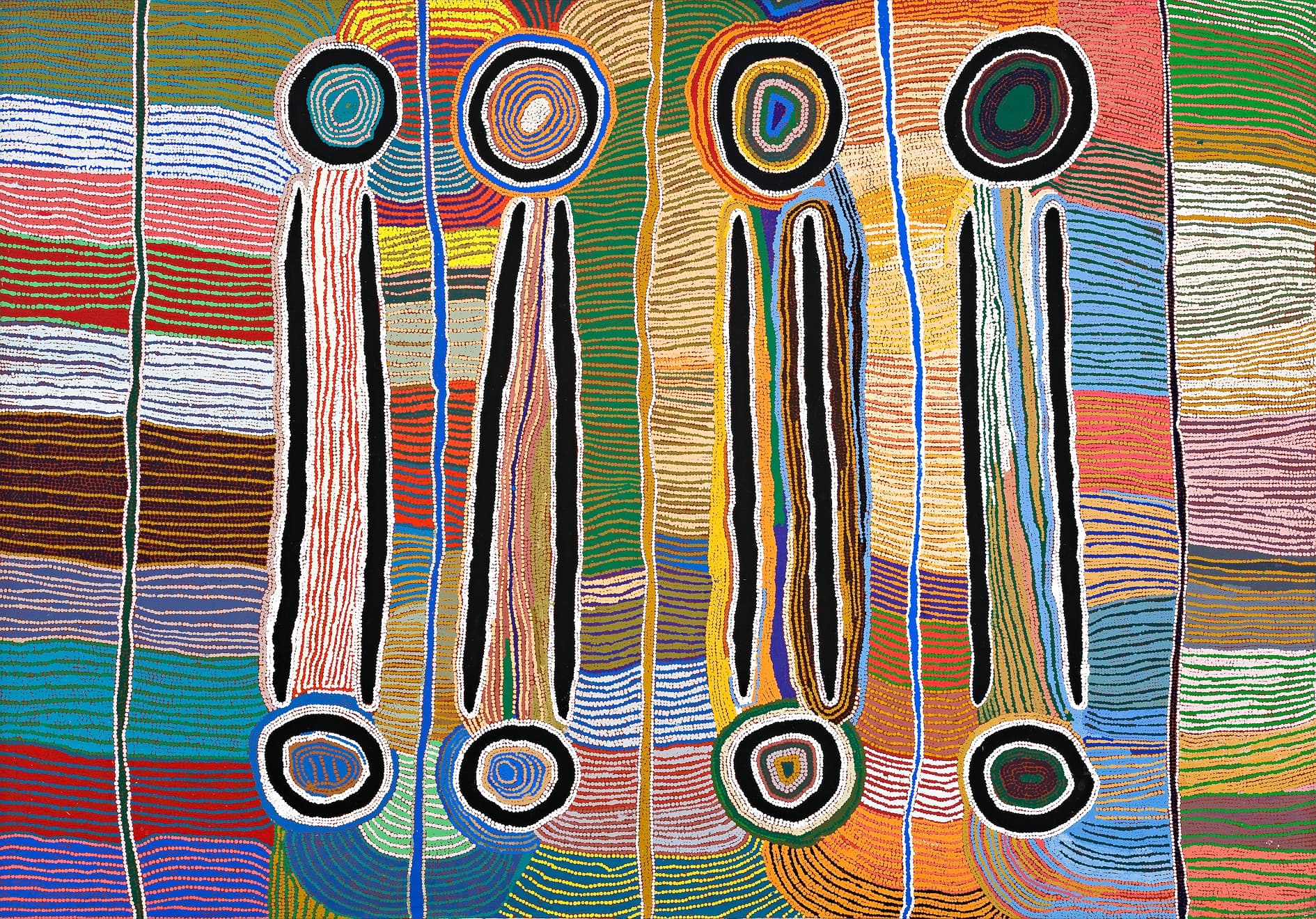
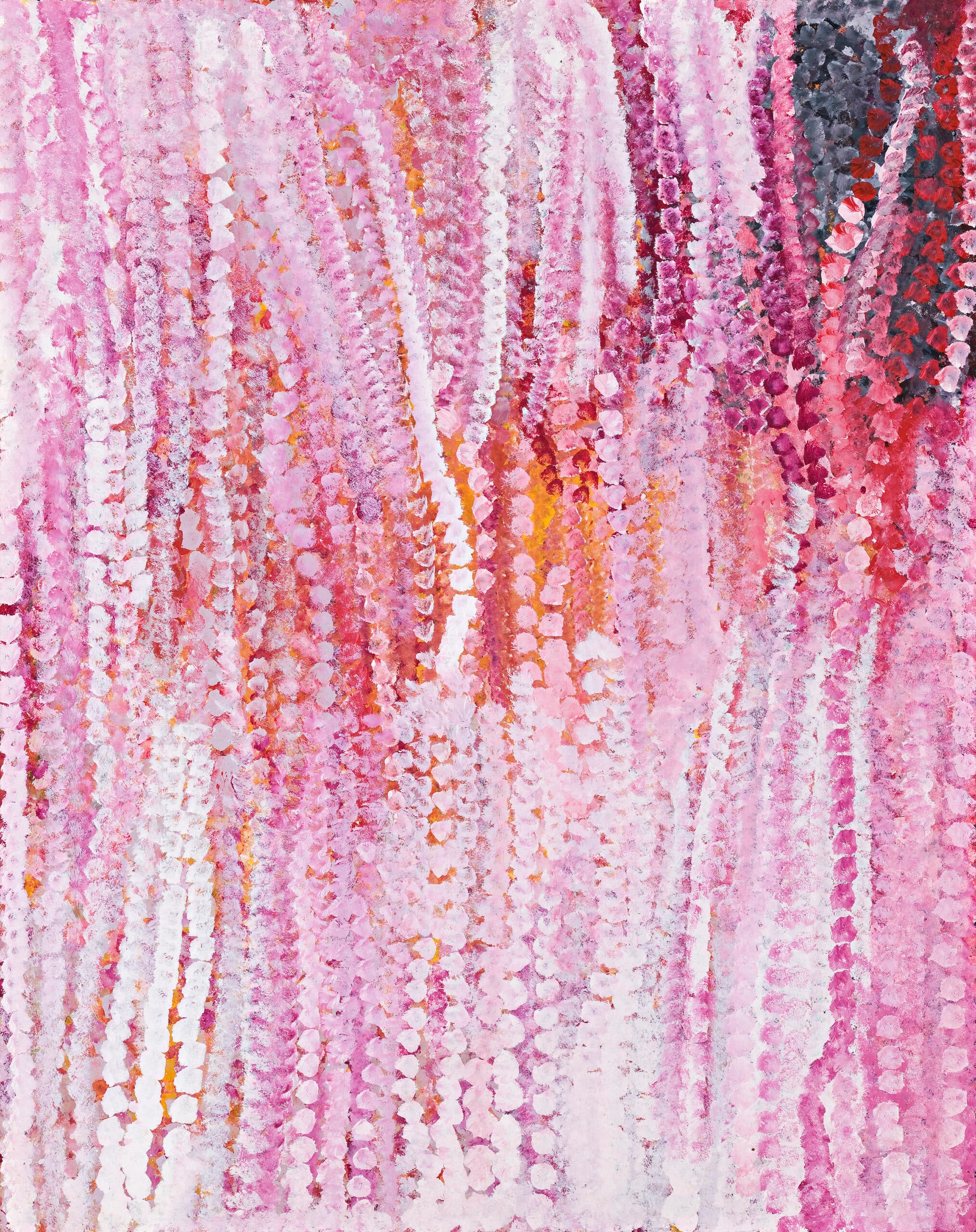
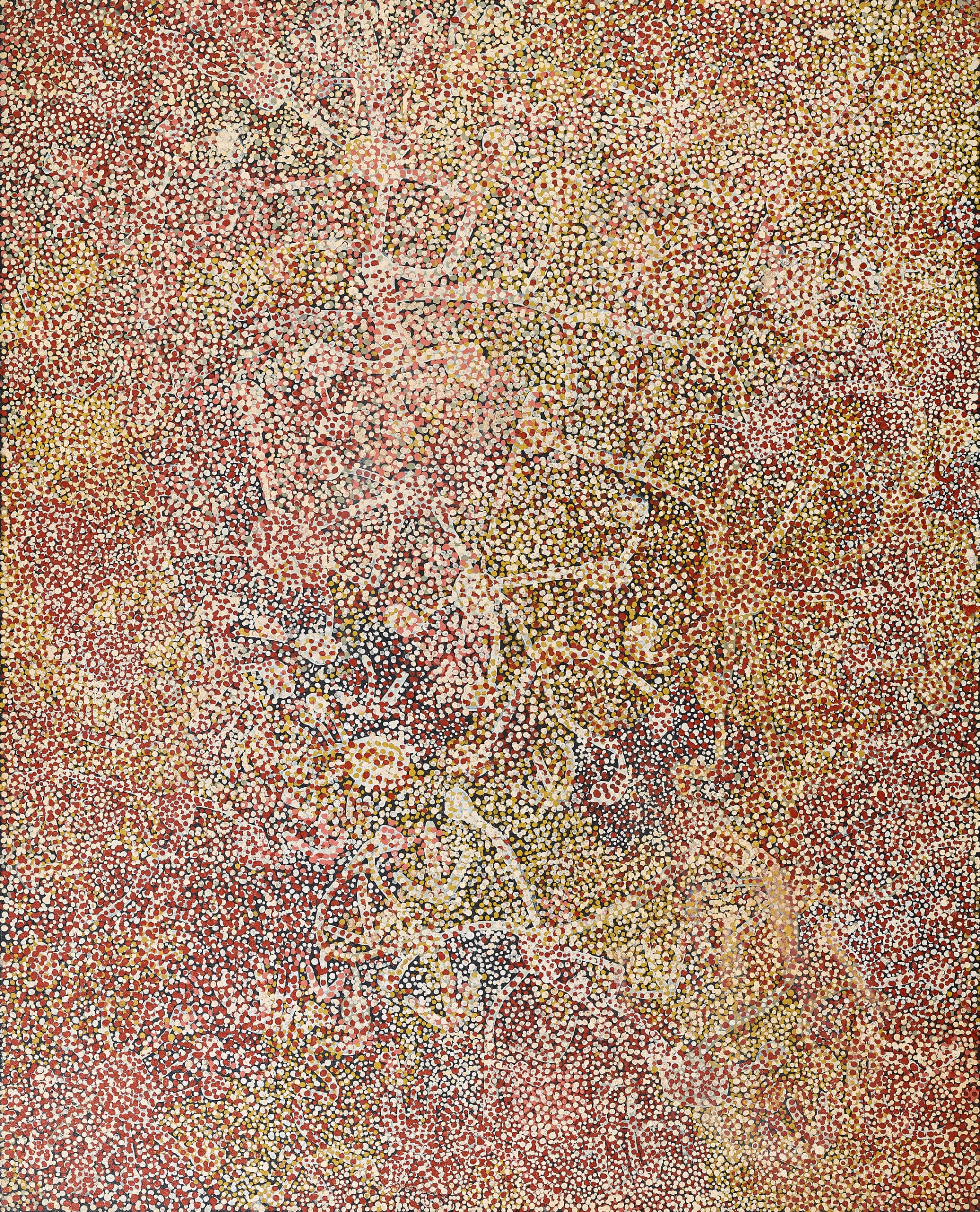
© Emily Kam Kngwarreye/Copyright Agency 2024
© Emily Kam Kngwarreye/Copyright Agency 2024
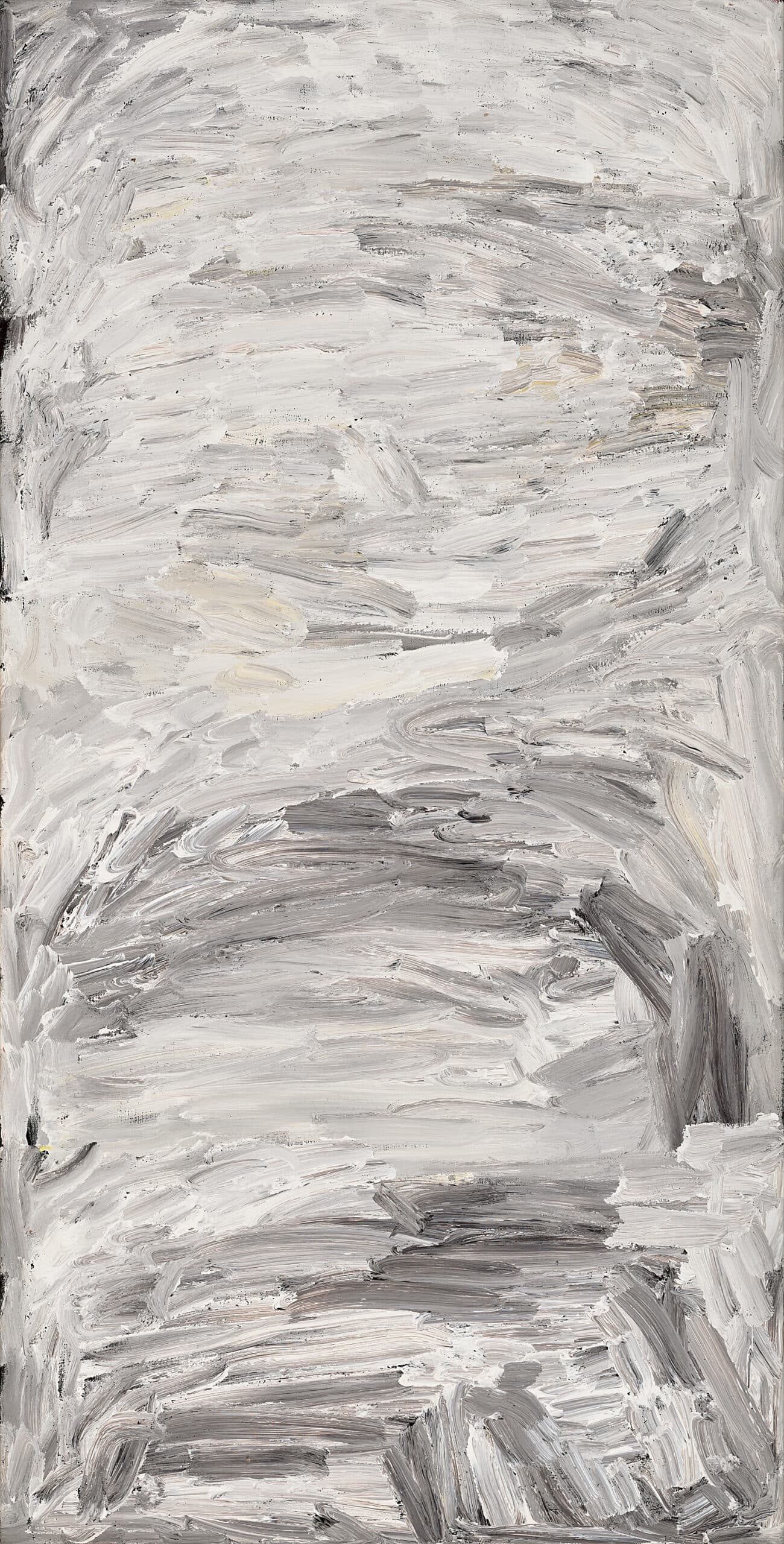
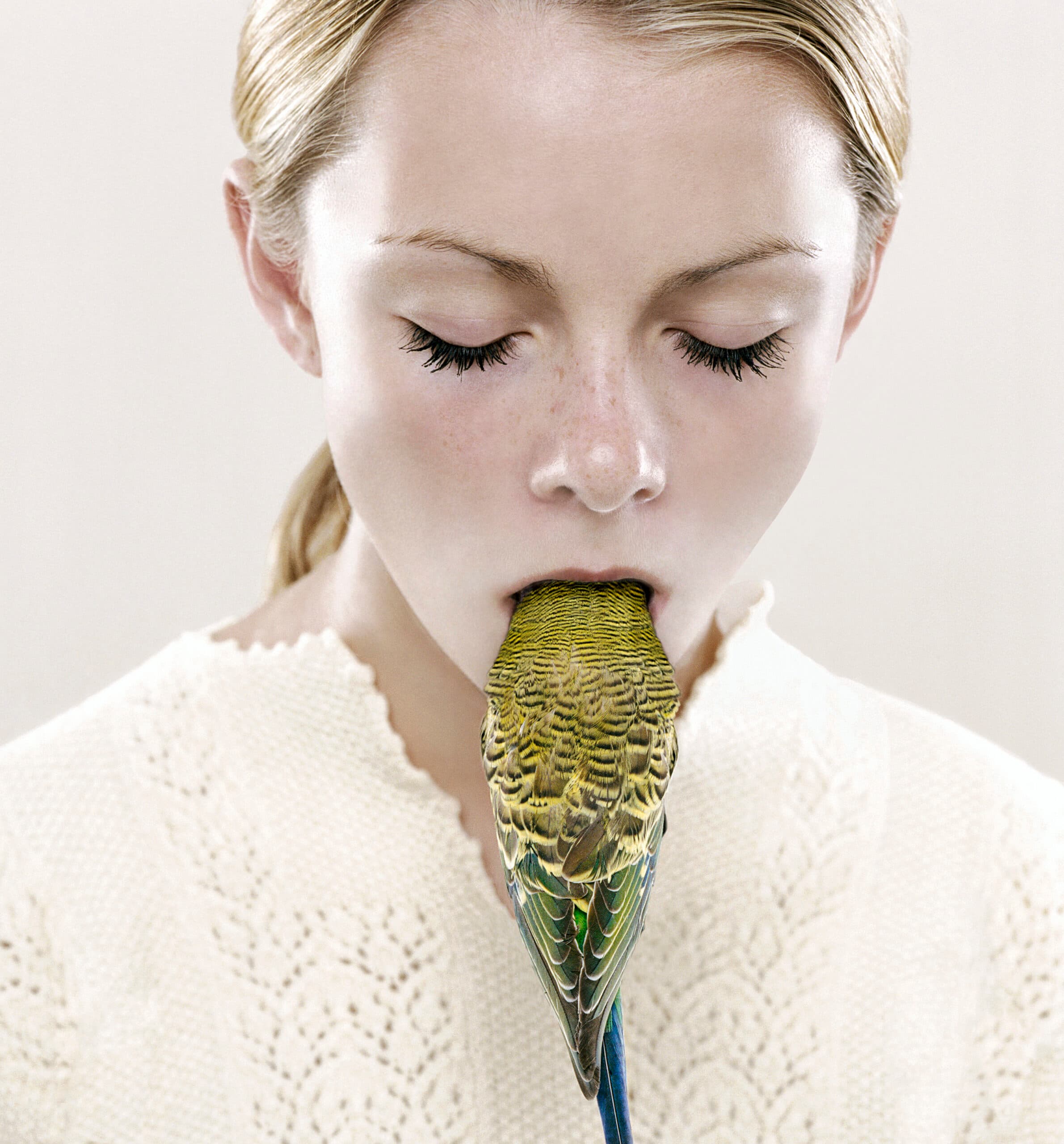

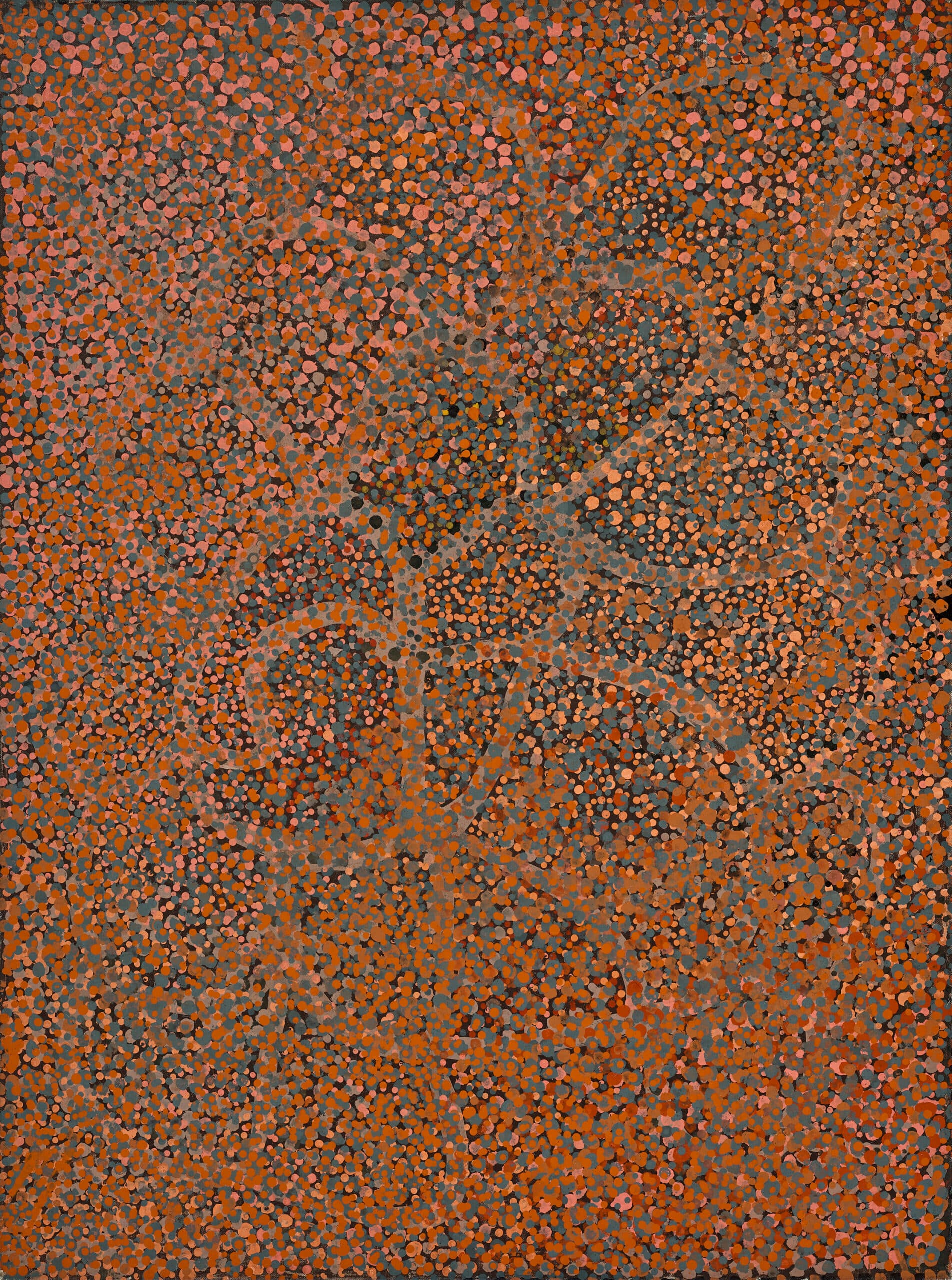


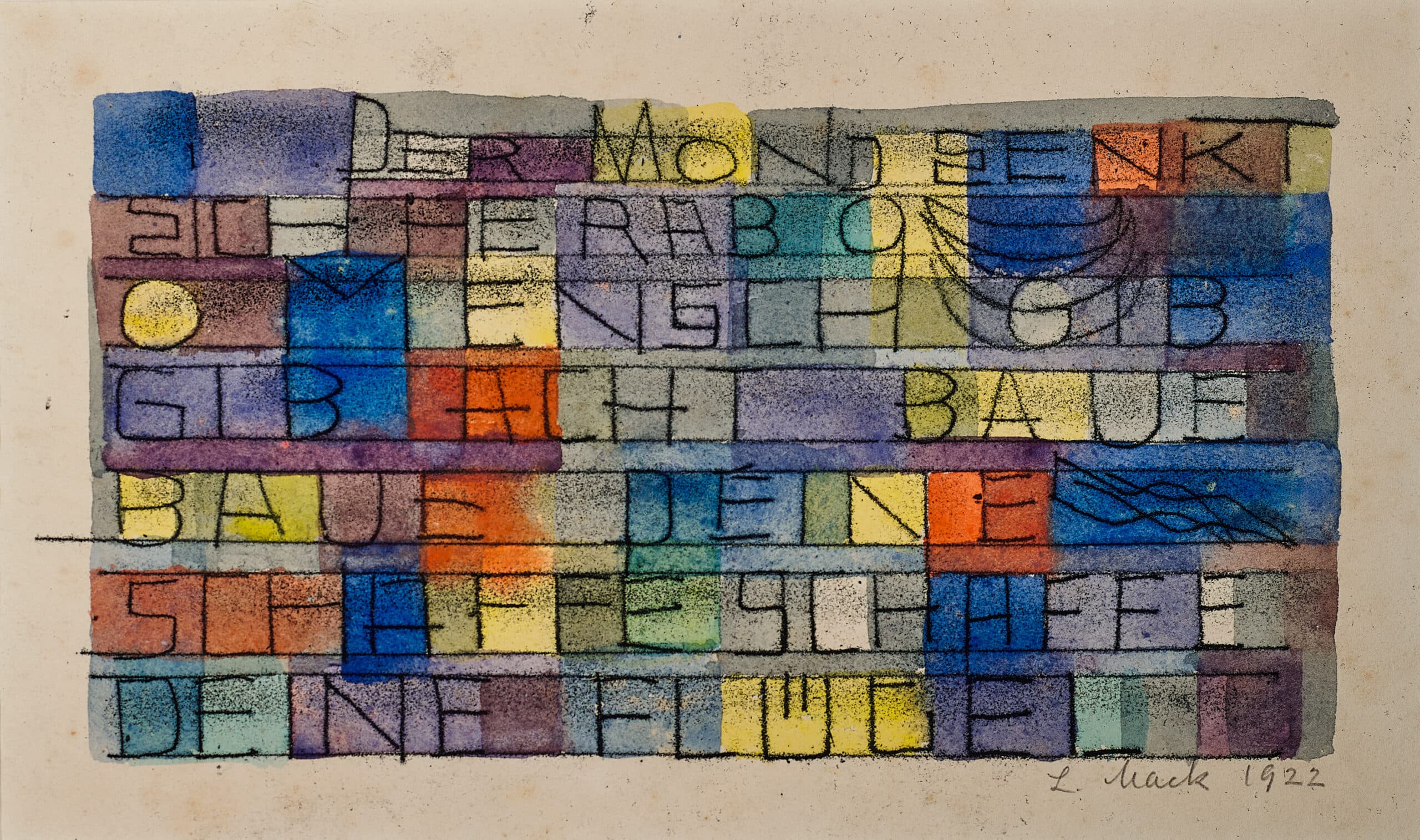


online Auction
Online6 June 2023
Australian Indigenous Art, featuring works from the collection of James Smeaton



![Friendly Country, Friendly People: Art from Papunya Tula, A Collection of 26 Works Offered as One Lot [Cbus Collection of Australian Art]](/_next/image/?url=https%3A%2F%2Fd3delkoni8fyrb.cloudfront.net%2Fwp-content%2Fuploads%2F2026%2F05%2F08031406%2Fh4043-l306428034_original-scaled.jpg&w=3840&q=75)
online Auction
Online18 October 2022
Friendly Country, Friendly People: Art from Papunya Tula, A Collection of 26 Works Offered as One Lot [Cbus Collection of Australian Art]


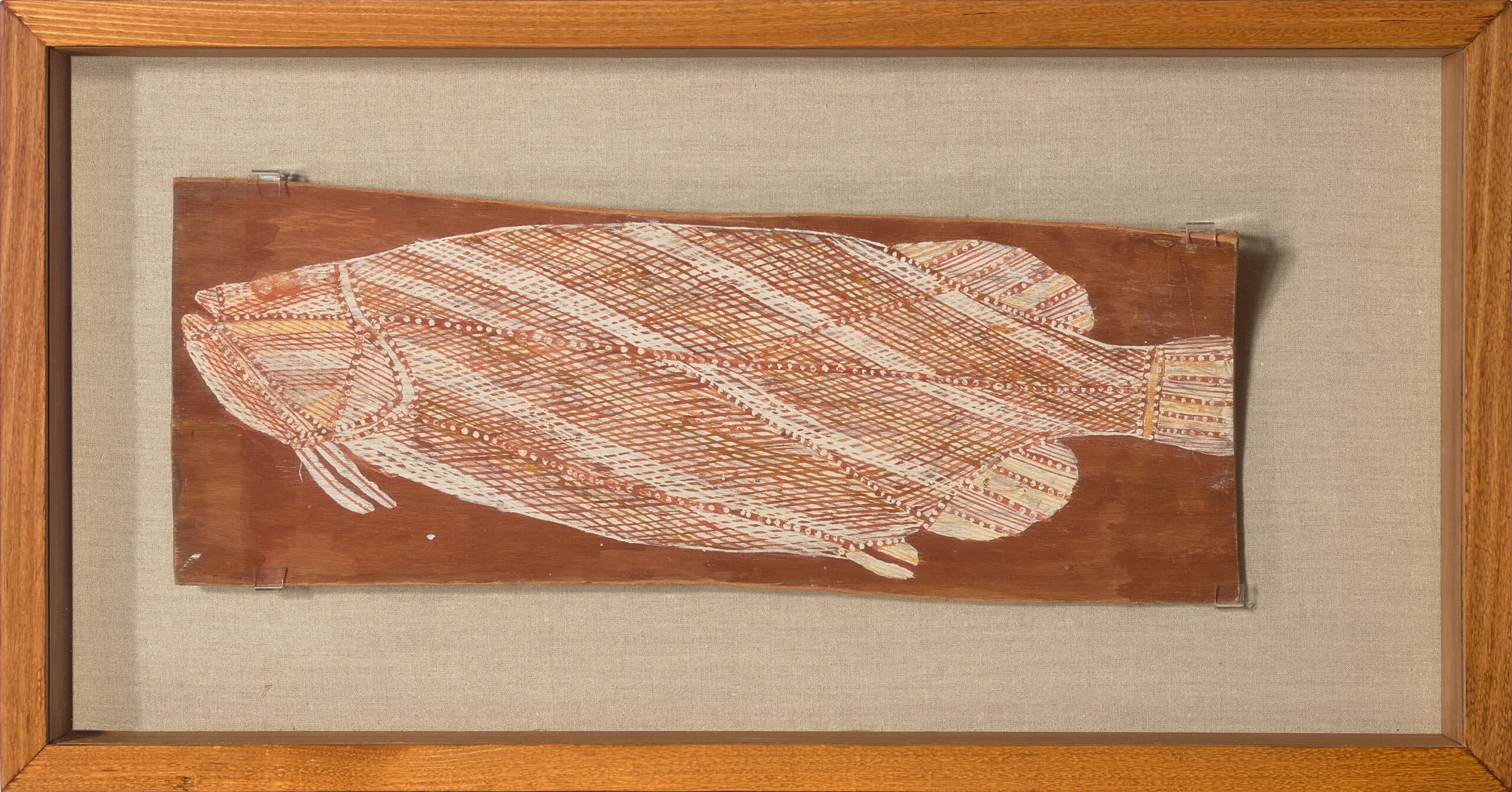
online Auction
Online23 August 2022
Seeing by Eye, Thinking by Mind – Bark Paintings by Wally Mandarrk from the Cbus Collection of Australian Art
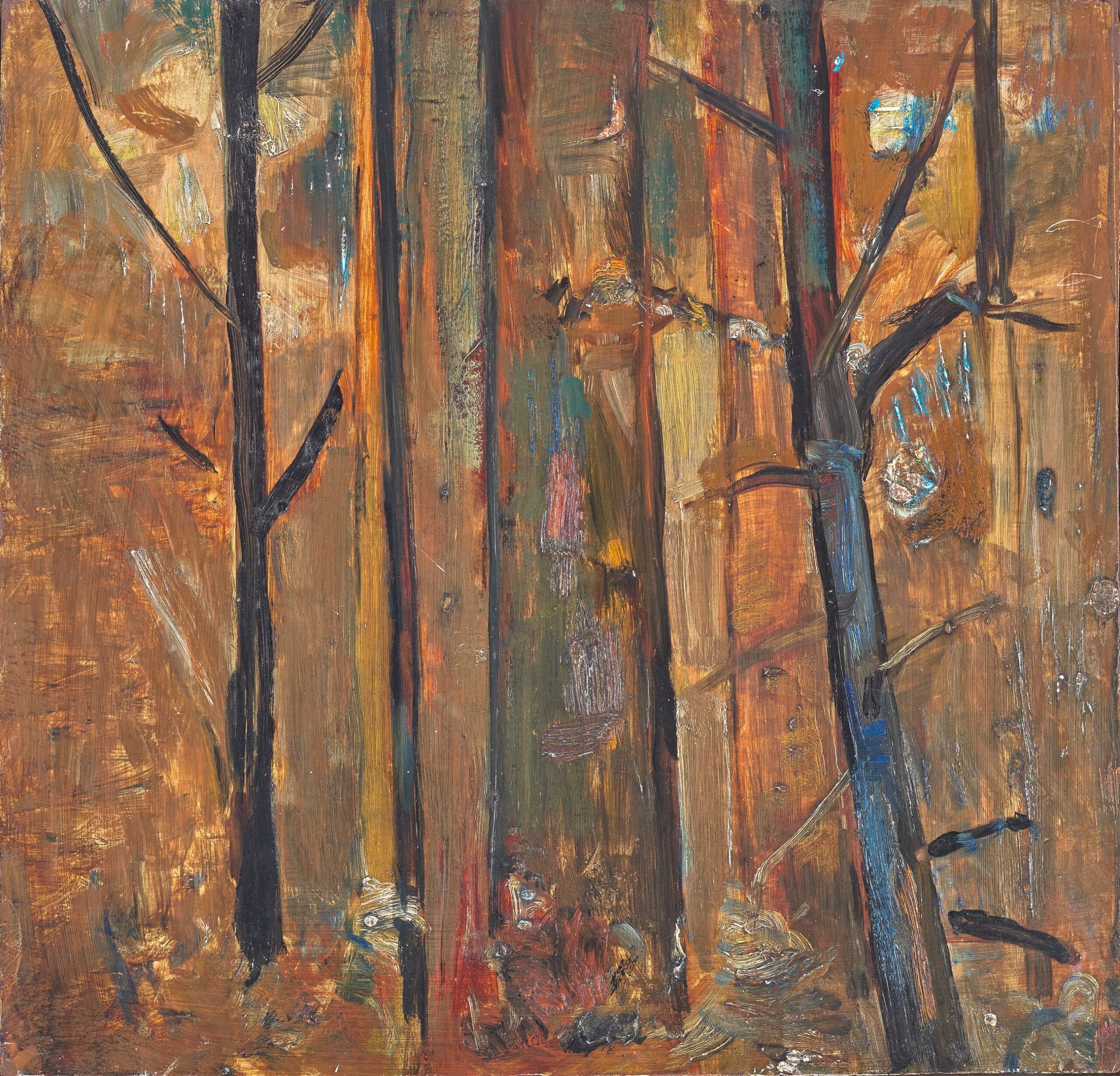
online Auction
Online16 August 2022
PART III: Traditional + Modern Art from the Cbus Collection of Australian Art
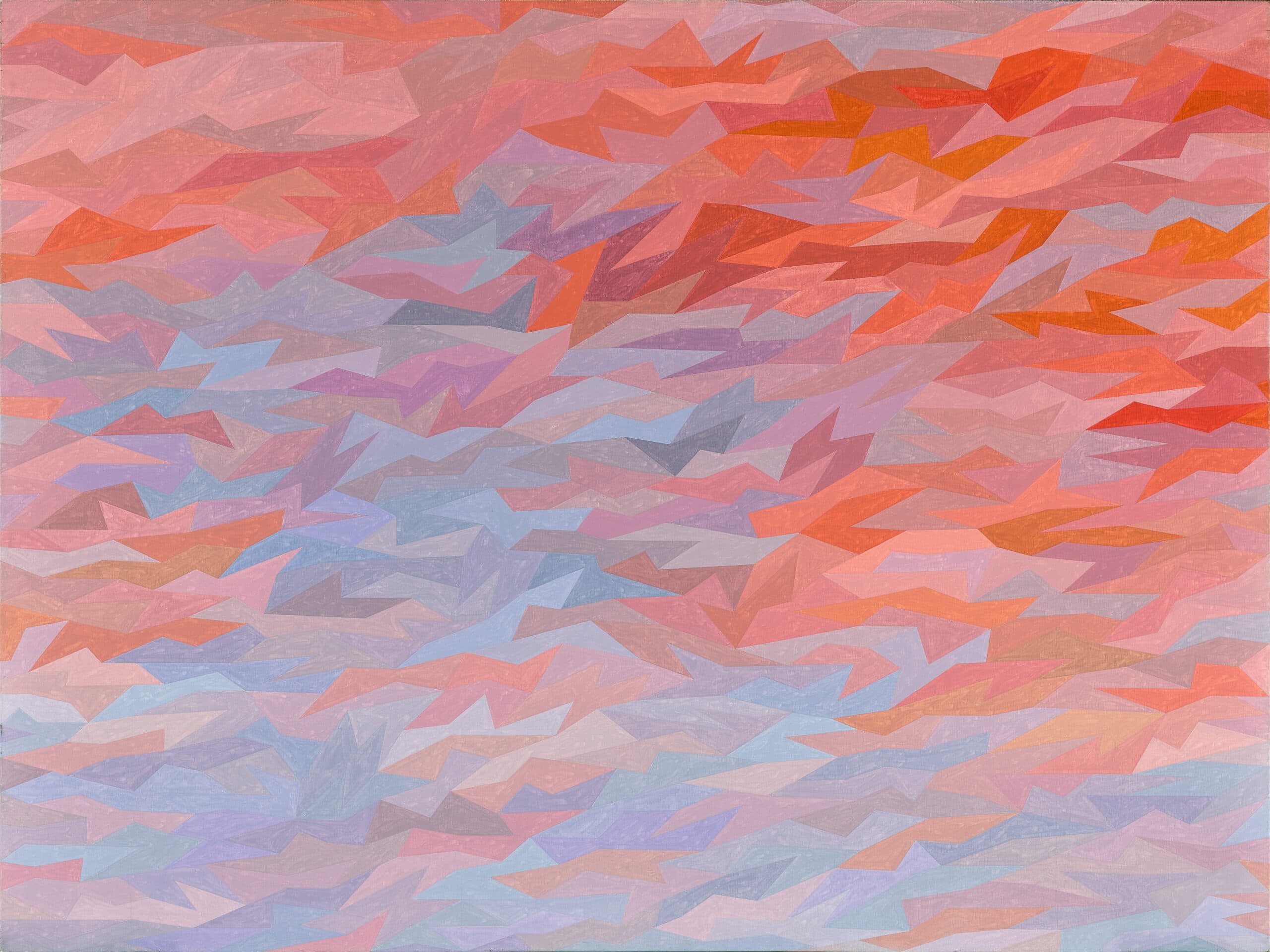
online Auction
Online9 August 2022
PART II: Modern + Contemporary Art from the Cbus Collection of Australian Art

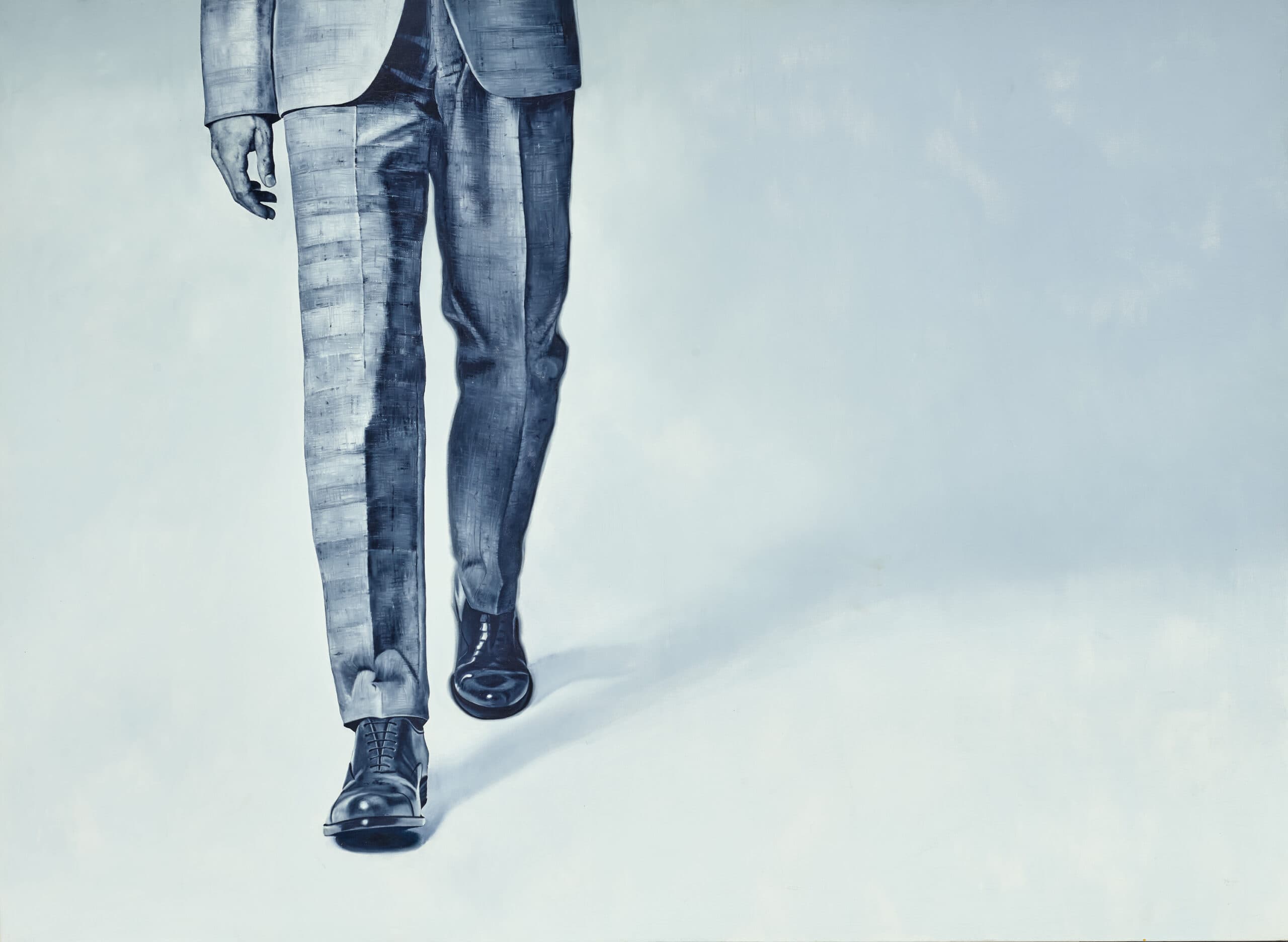
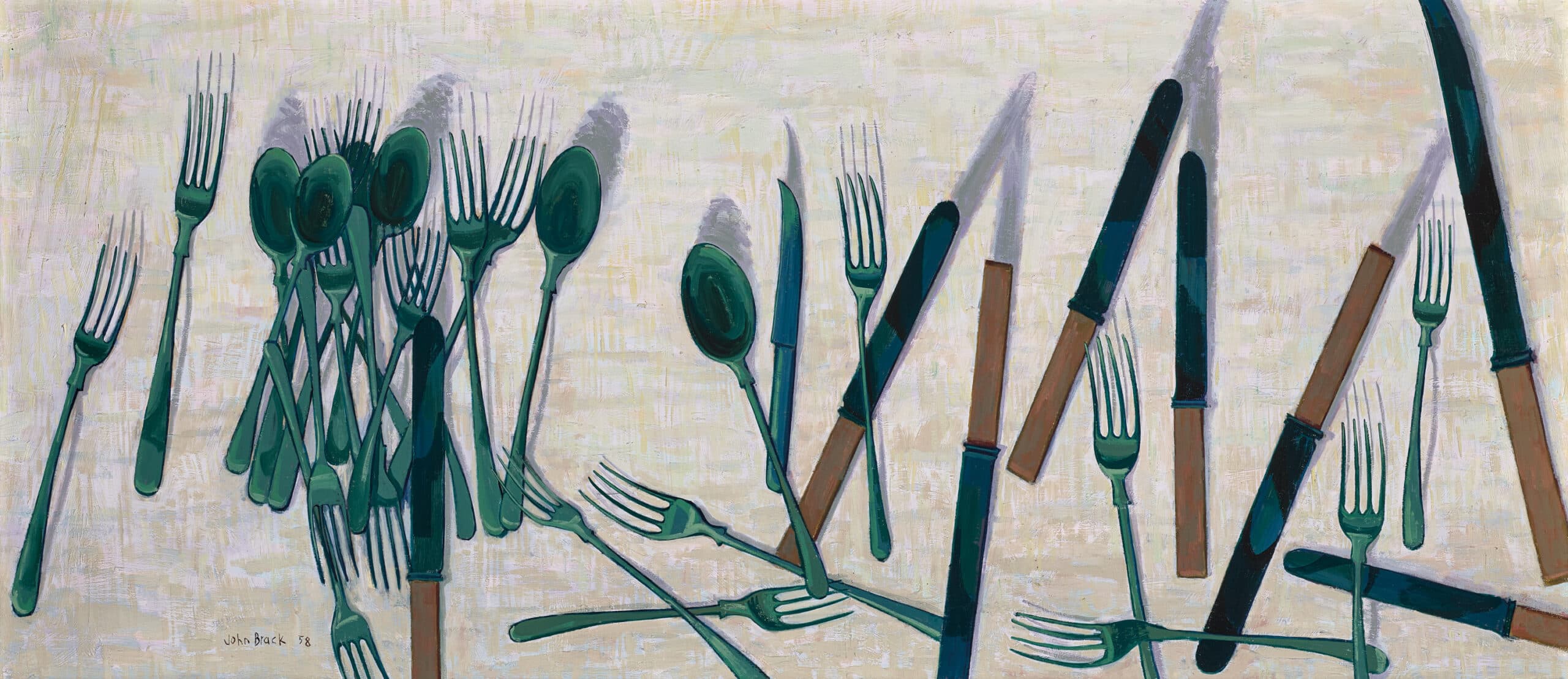
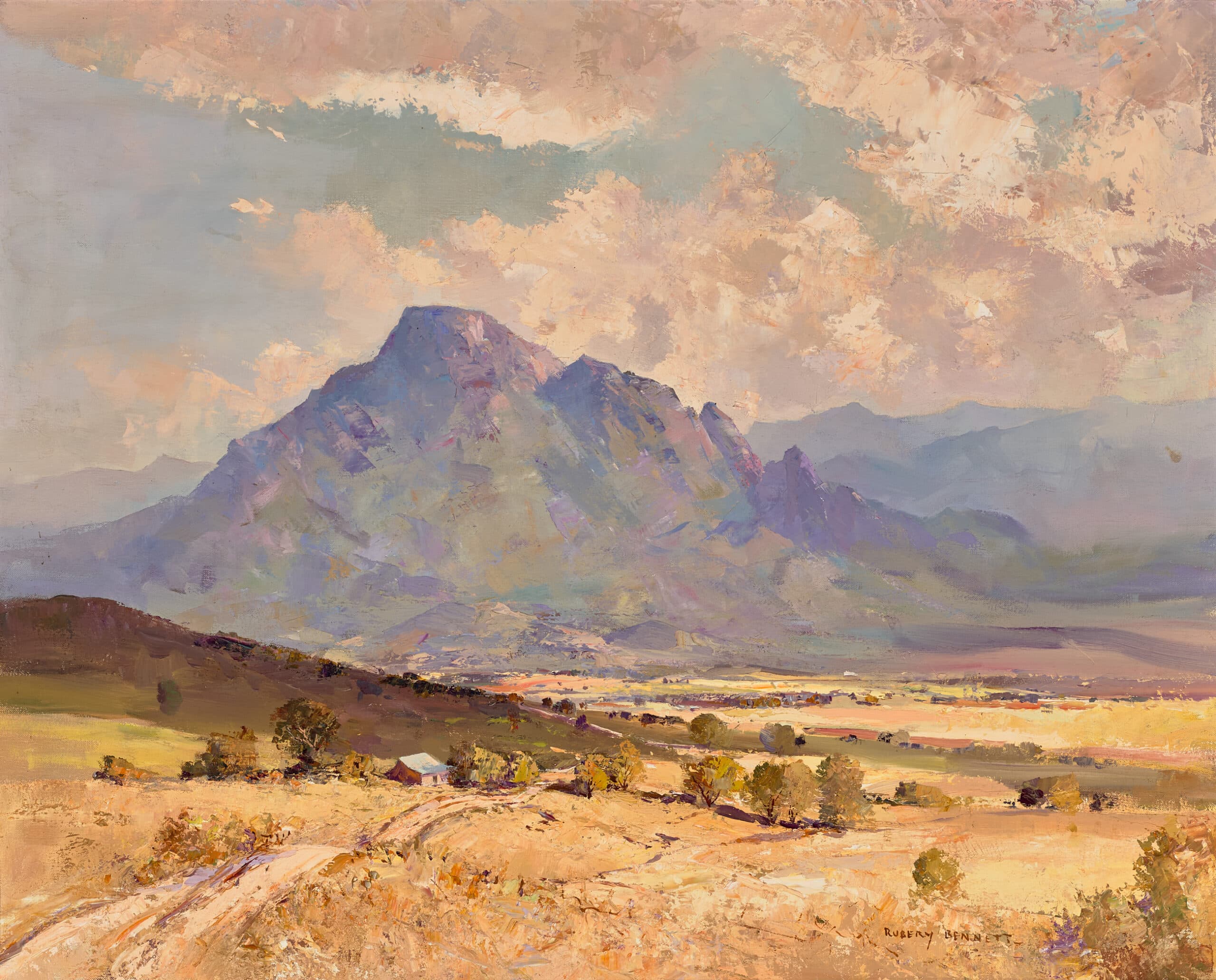
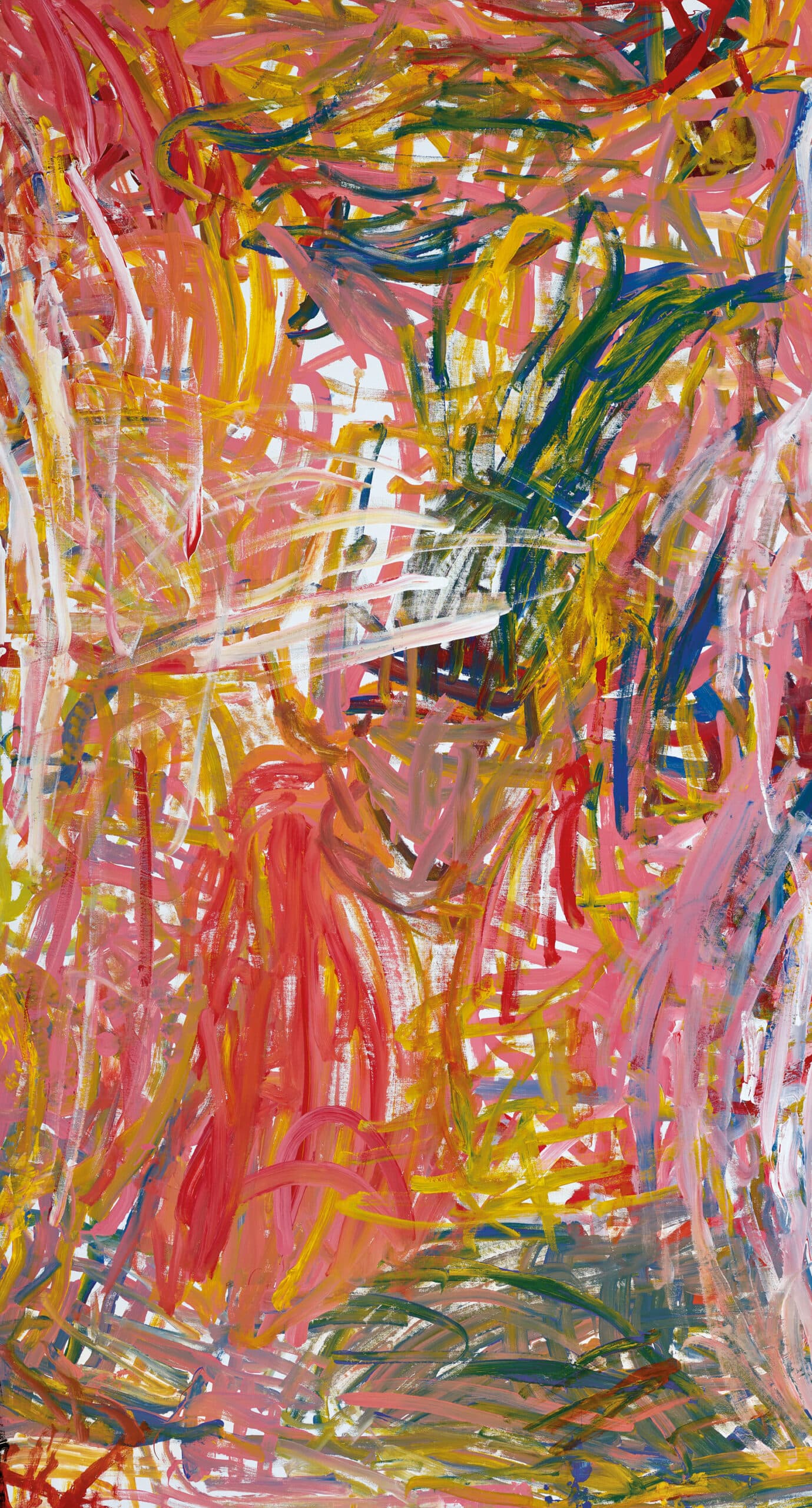
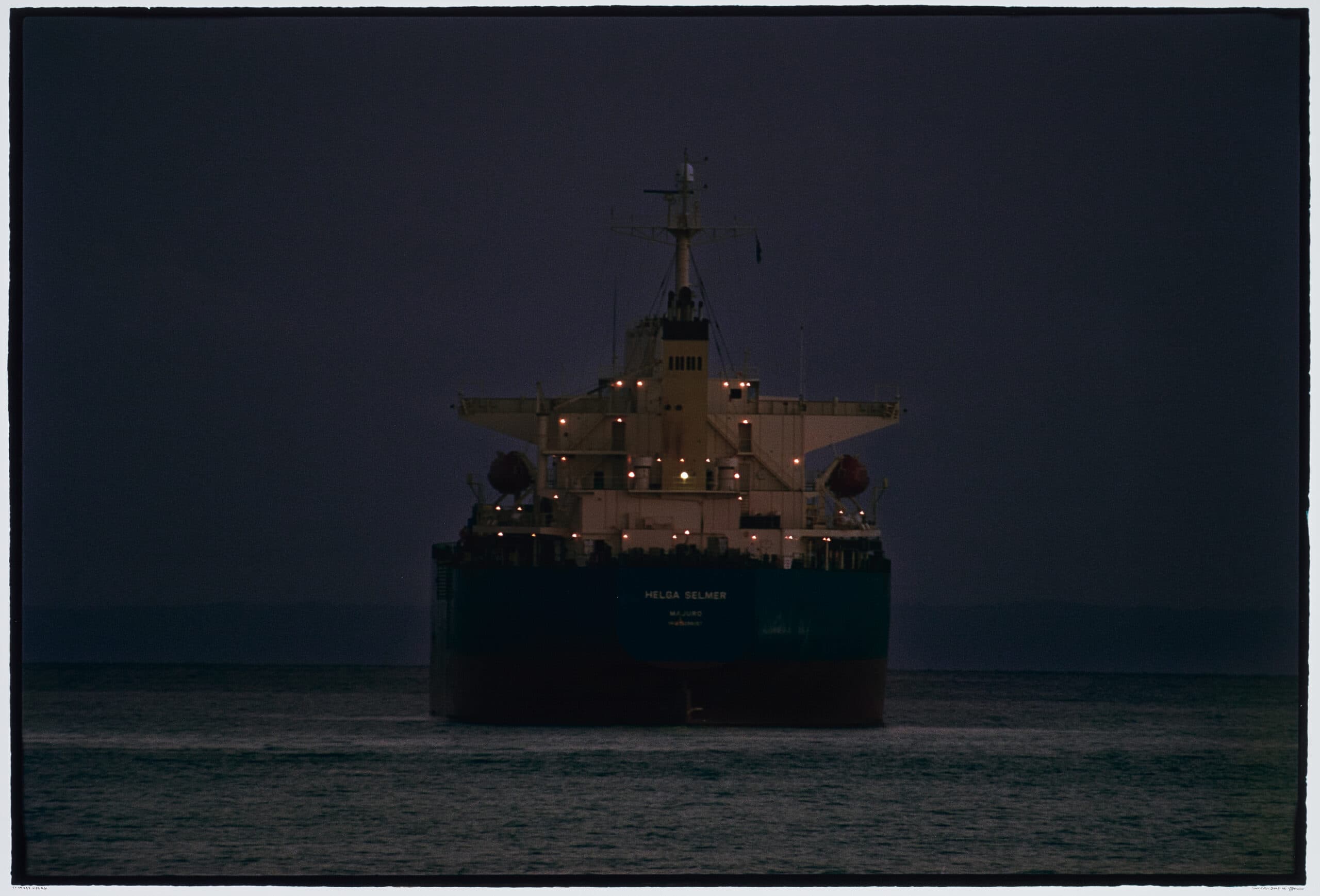
online Auction
Online8 March 2022
Australian + International Contemporary Art Including Works from the Shannon Bennett Collection
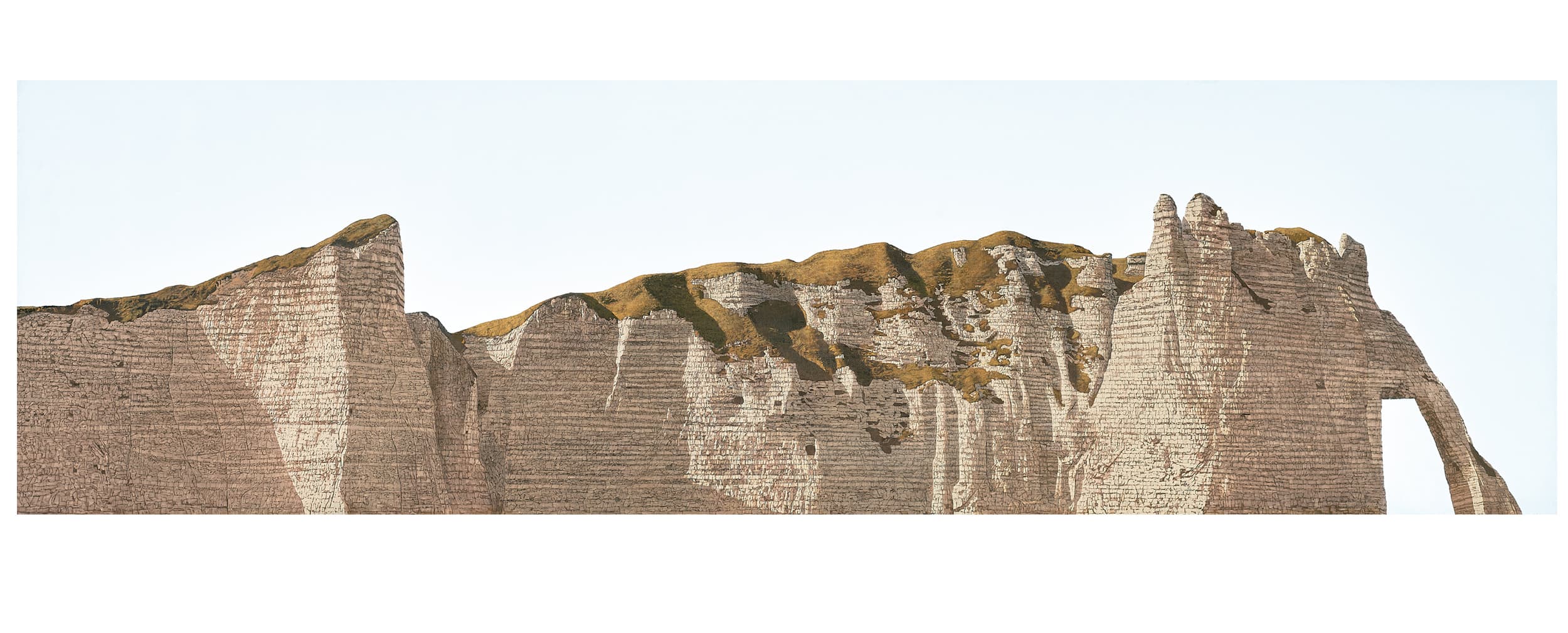


live Auction
Melbourne10 November 2021
Important Women Artists + Selected Australian and International Fine Art

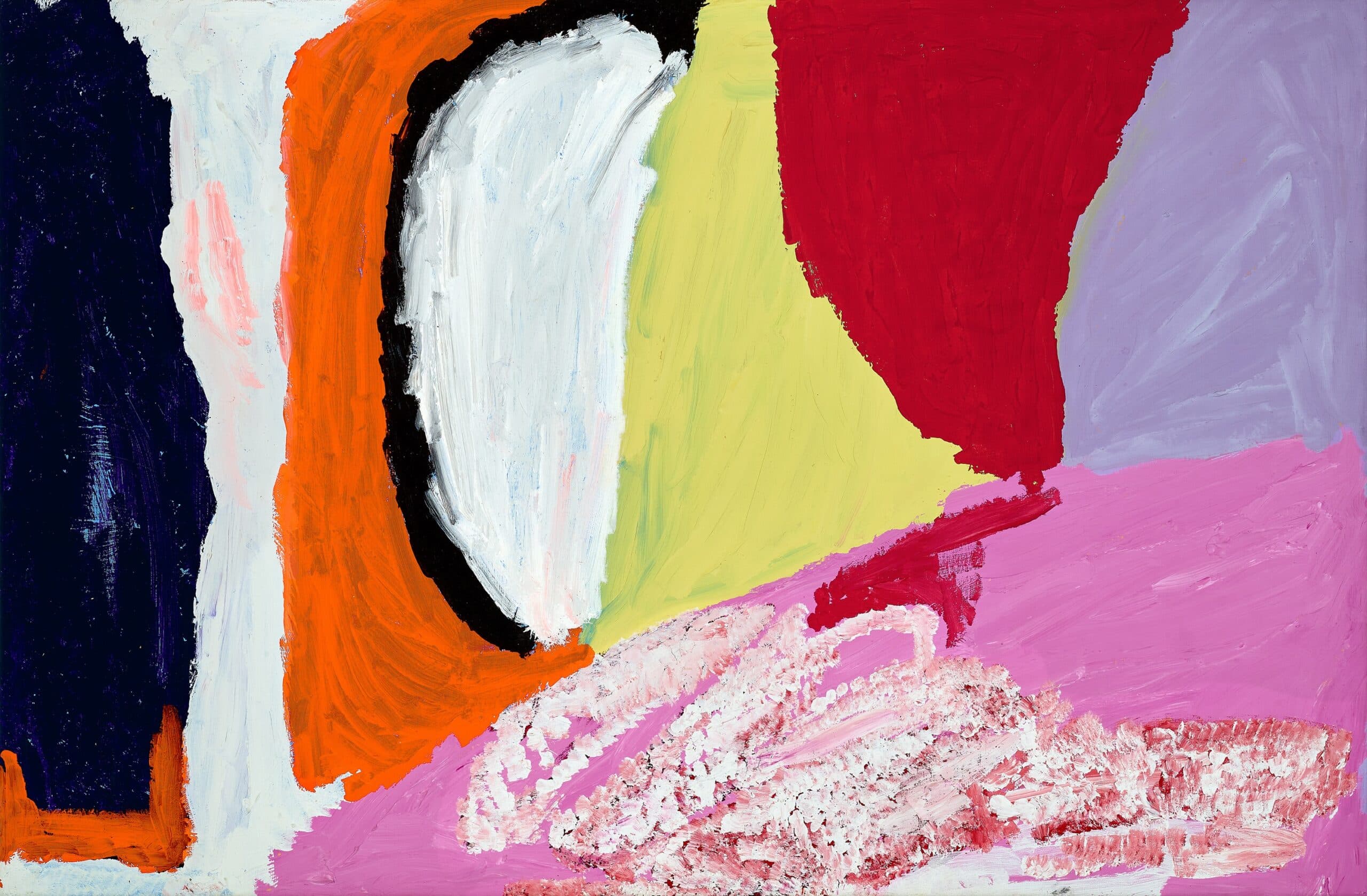
online Auction
Online31 August 2021
Selected Indigenous Art Including Works from the Collection of Grant Smith


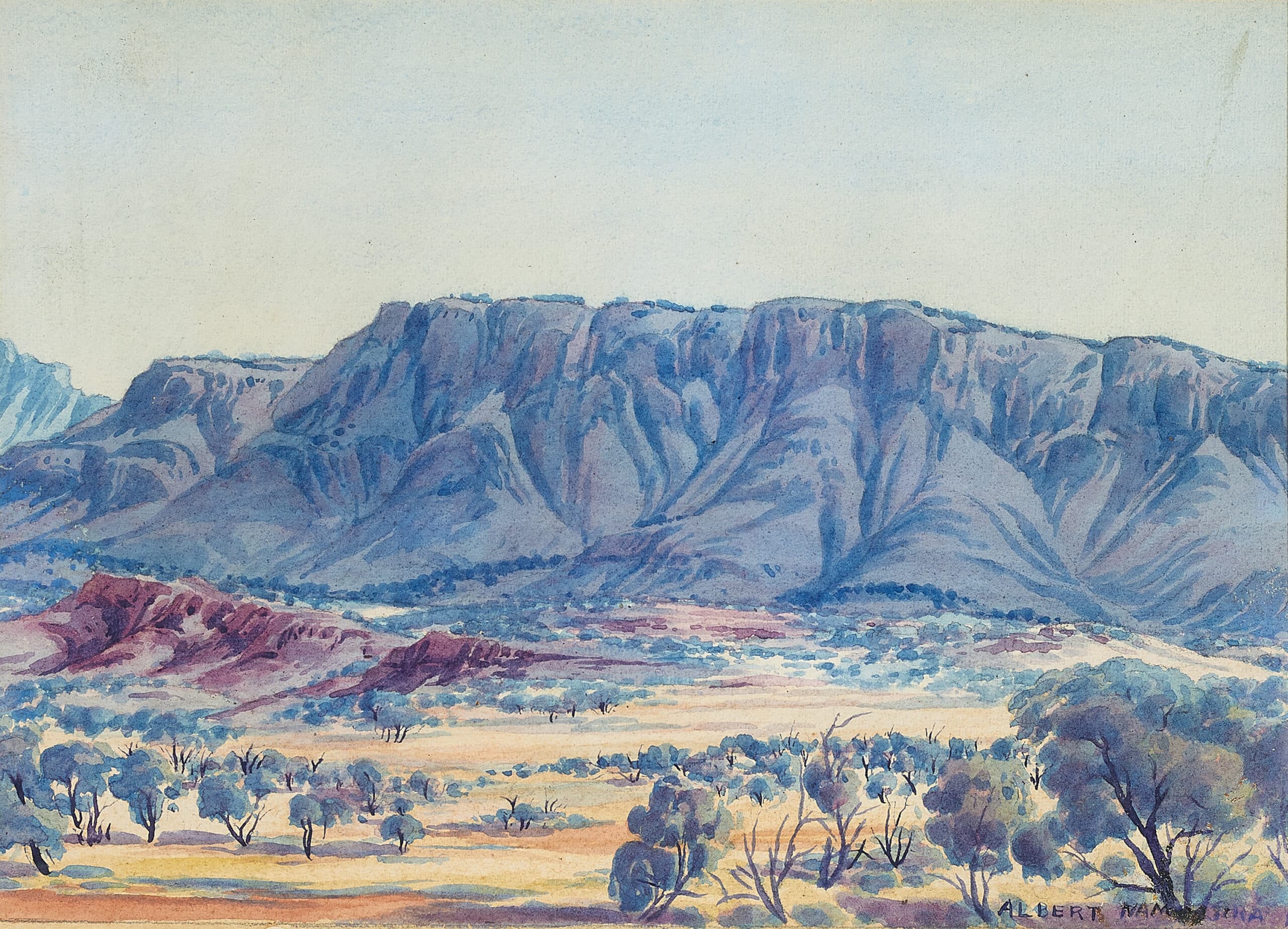
online Auction
Online11 May 2021
Selected Indigenous Fine Art Including Works from the Collection of Kristin Stegley OAM
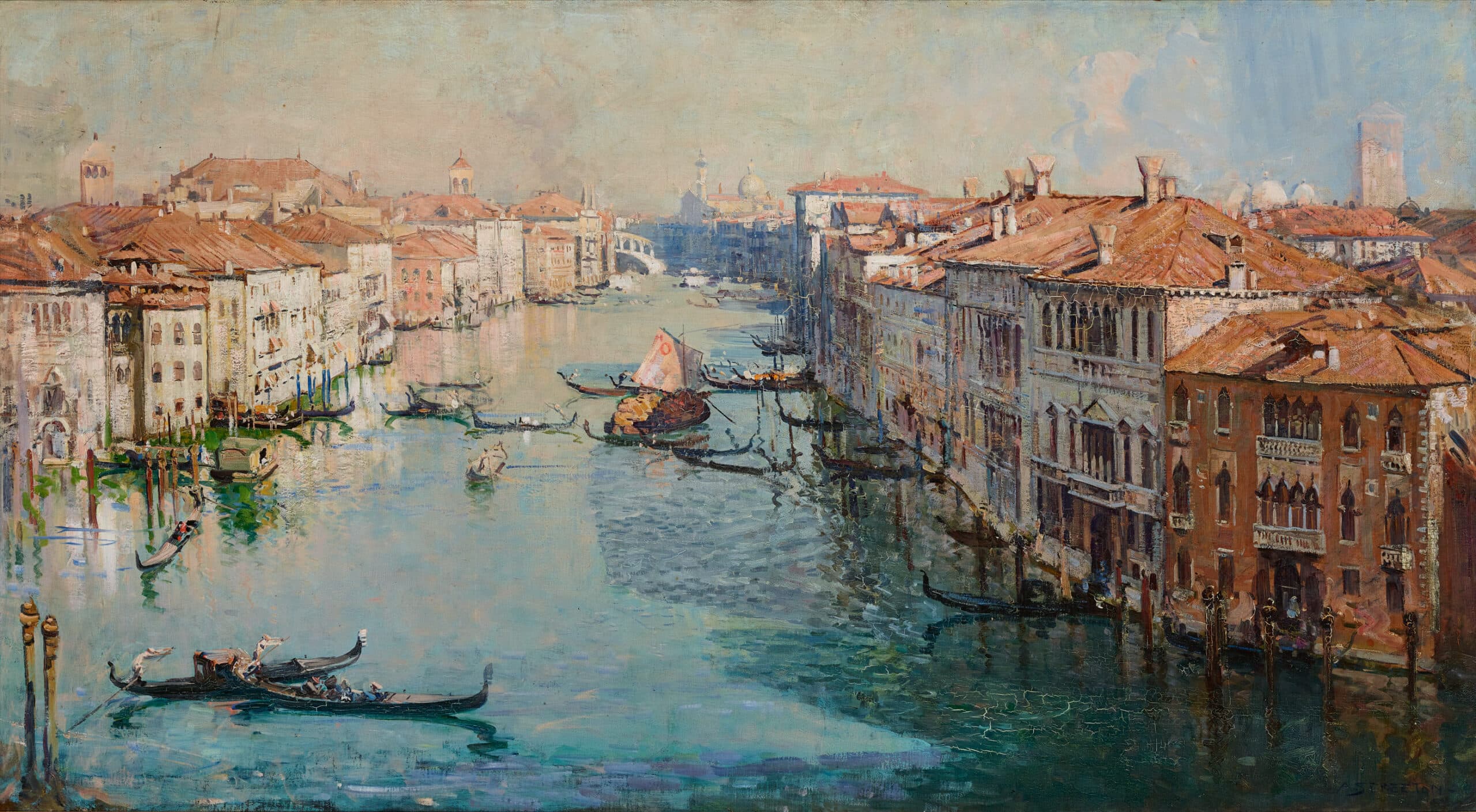

live Auction
Melbourne11 November 2020
Twenty Classics of Australian Art + Important Australian and International Fine Art

online Auction
Online19 August 2020
The Peter and Renate Nahum Collection of Aboriginal Art, London: Part II


online Auction
Online2 June 2020
The Pat Corrigan Collection of Black and White Australian Photography
online Auction
Online19 May 2020
Australian Aboriginal Art – Including works from the Maclean Collection



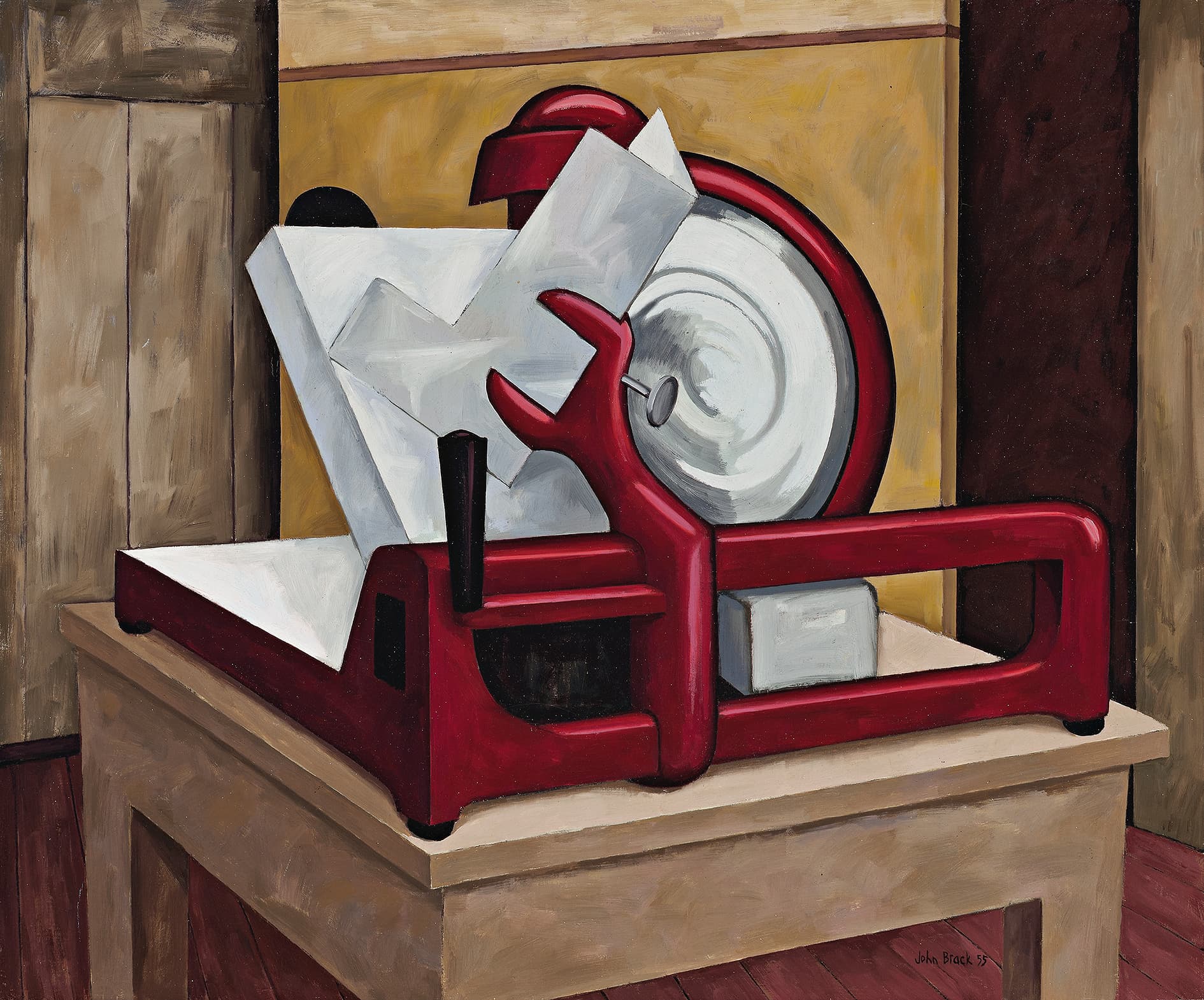
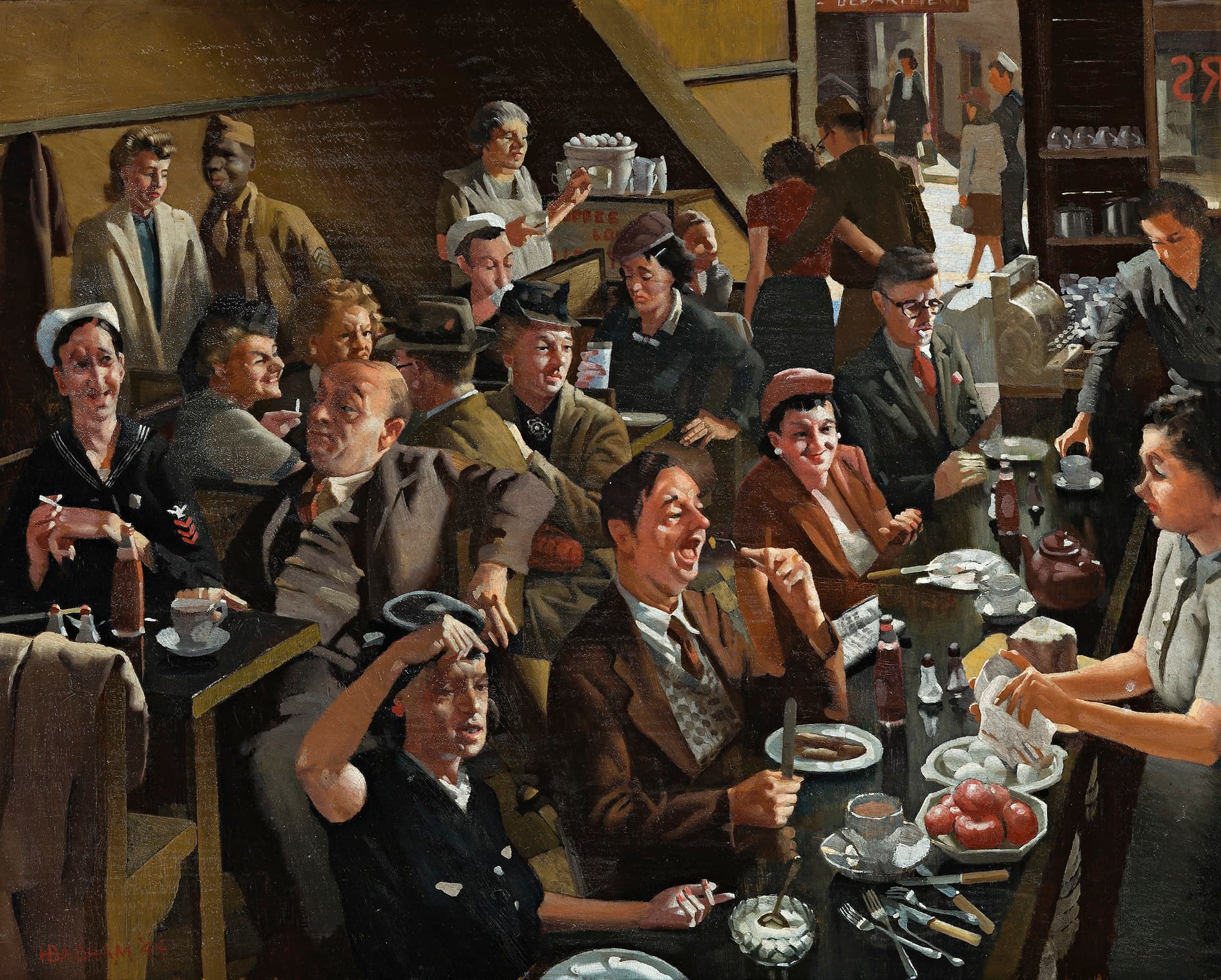
(detail) John Brack, Lot 4
(detail) John Brack, Lot 4