Milŋurr, 2021
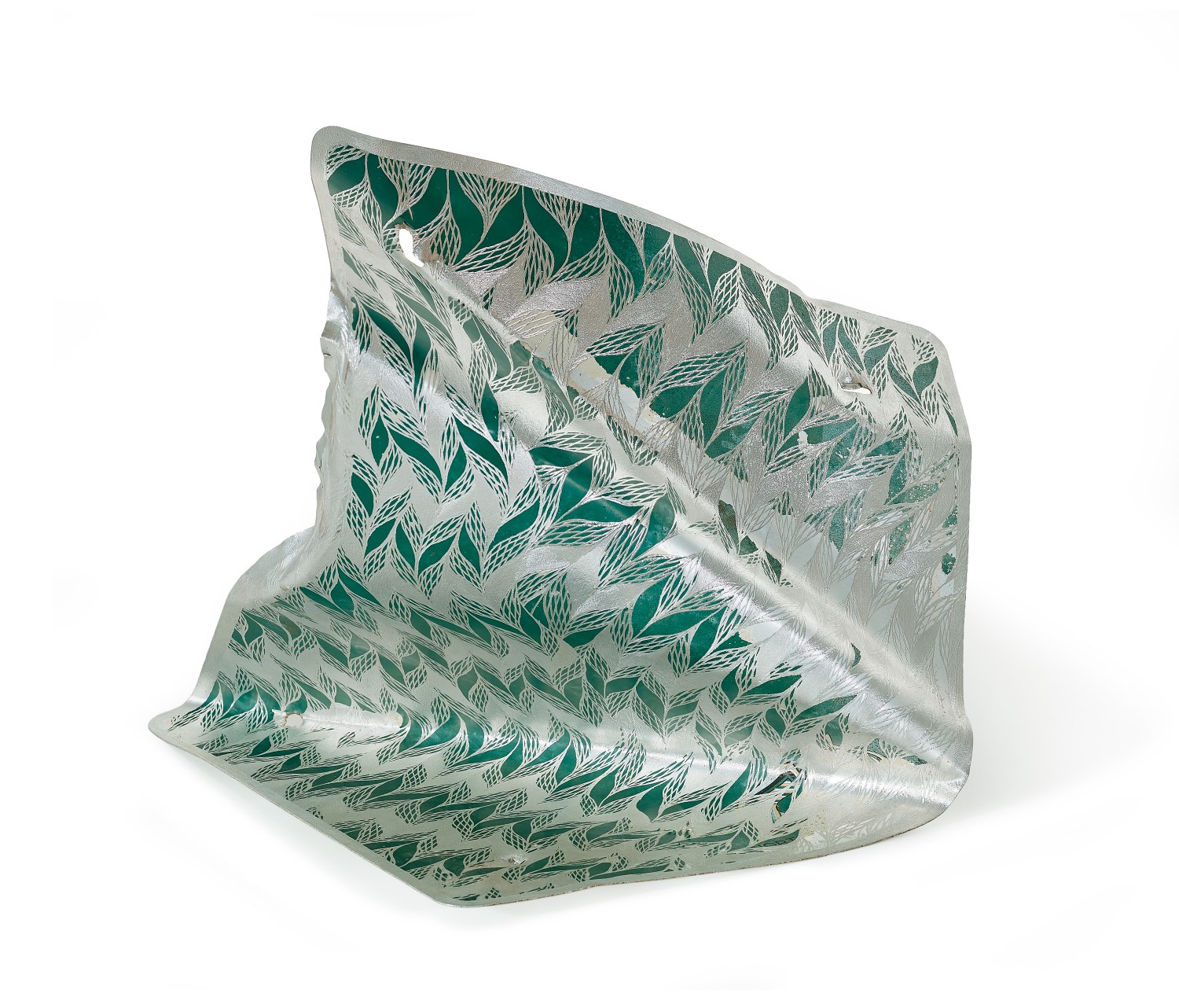
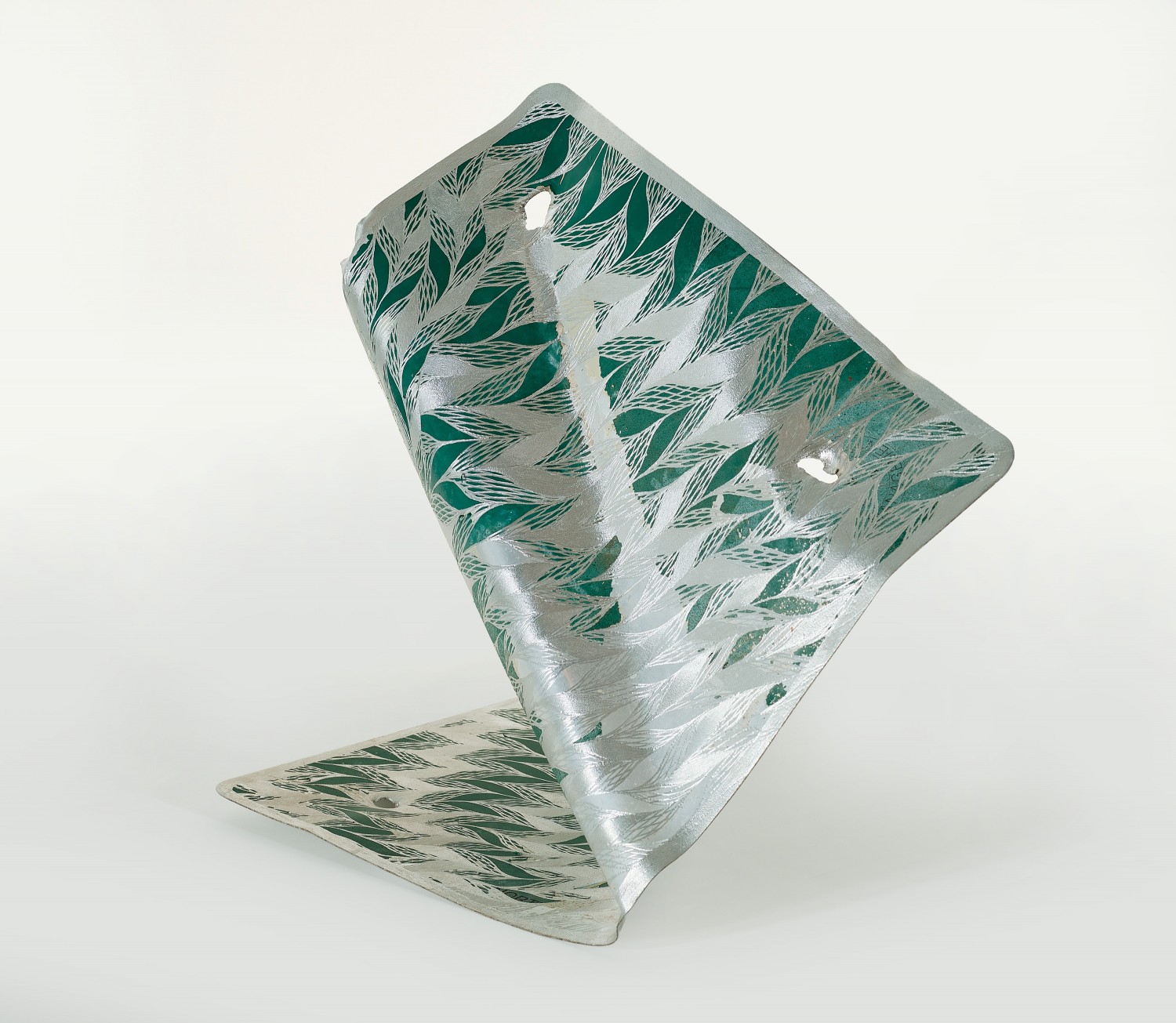
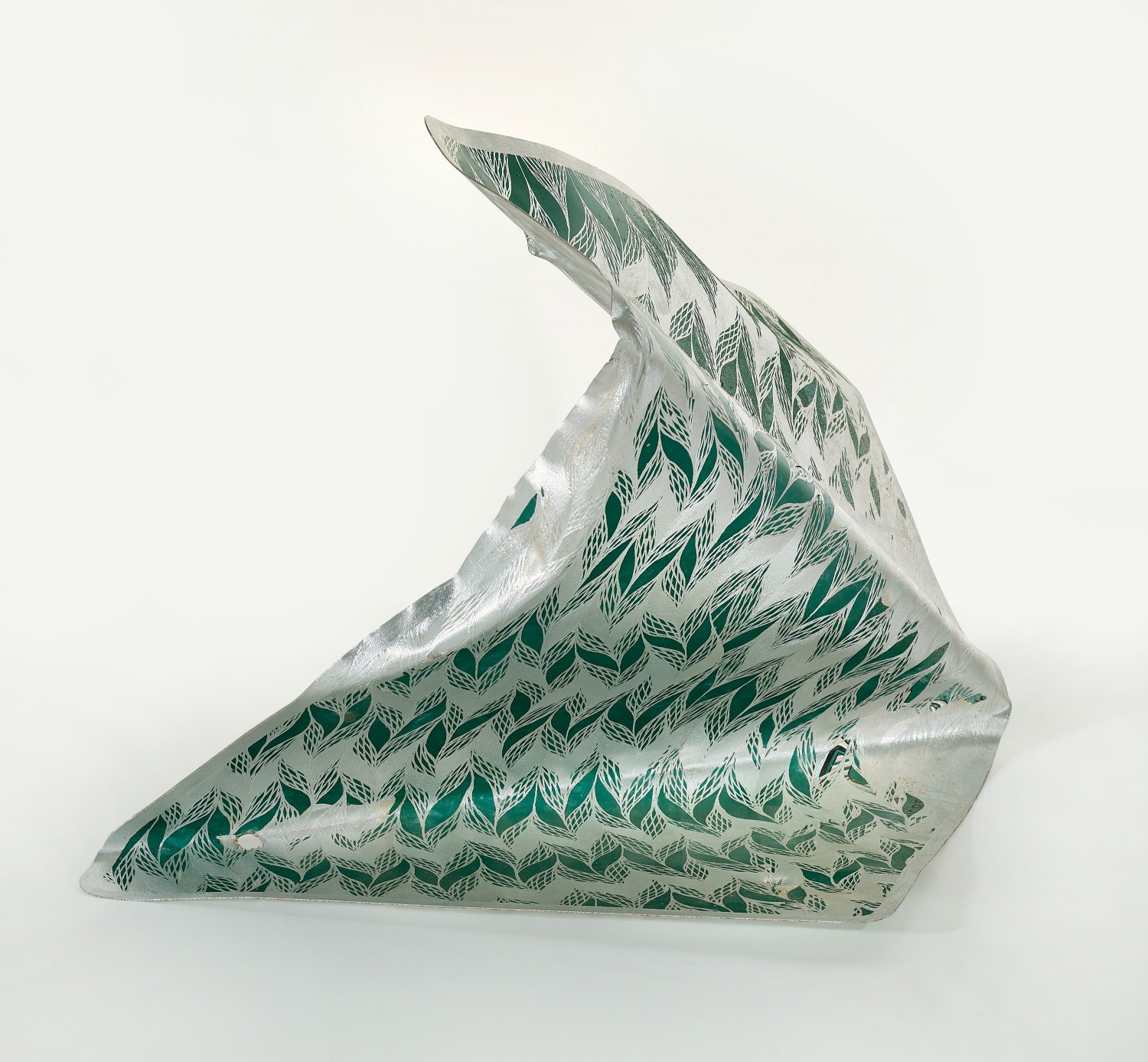
Gunybi Ganambarr
etched found aluminium road sign and aerosol paint
75.0 x 56.0 x 60.0 cm (irregular)
Buku–Larrŋgay Mulka Centre, Yirrkala, Northern Territory (cat. 1985–21)
Salon Art Projects, Darwin
Private collection, Melbourne
Murrŋiny: A story of metal from the east, Buku–Larrŋgay Mulka Centre, Yirrkala, Northern Territory and Salon Art Projects, Darwin, Northern Centre of Contemporary Art, Parap, Northern Territory, 7 August - 25 September 2021 (illus. in exhibition catalogue, p. 16)
This work is accompanied by a certificate of authenticity from Buku–Larrŋgay Mulka Centre which states:
‘This piece was first exhibited in the groundbreaking exhibition ‘Mur rŋiny -stories of metal from the east’. This exhibition was held in con junction with SALON Art Projects at the Northern Centre for Contem porary Art in Darwin in August 2021. It sold out and received national media exposure. Yolŋu have repurposed found metal since first contact with Makassans. Balanda outsiders first knew them as the Murrŋiny a name given to them by neighbouring groups which references their steel spearheads. The Found movement was originated by Gunybi Ganambarr around 2011 when the elders endorsed recycled materials as acceptable to render sacred designs. This is a repurposed sign.
This work identifies the reservoirs of the Ŋaymil/Datiwuy clan. Ŋal kan is an area on Ŋaymil land and sea between the Gurrumuru and Cato Rivers that run into the Arnhem Bay. Within this area is another watercourse that leads up into a sacred area of a freshwater spring or Milngurr with special qualities called Balawurru. Dhangultji or Brolga are dancing here. Here Djanda the sacred goanna also swim in the lagoon created by the spring, their actions as they swim causing rippling patterns to be made on the surface that is covered by the totemic water weed Ḏarra. Similarly the force of the water surging from under the ground ripples the surface. Ḻurr’yun is a Yolŋu word for the rippling flow of water.
This plant forms floating forests in only a few very sacred locations. It is a broad leaf emergent plant that sits within the water and flowers in September with a vibrant yellow flower mass. Dhangultji or Guḏurrku (Brolga) inhabit the adjacent floodplains in huge numbers during the late Dry. They drink from subterranean springs which emerge in the vast flat plains. A safe place to rest, mate and nest. In their avian form they are a manifestation of the Djaŋ’kawu Sisters’ party which travel throughout the Eastern top end, shape shifting and giving birth to the various clans of the Dhuwa moiety. In this case the Ŋaymil.
Others inhabit these waters. Warrukay or Murrukula the Barracuda, the power totem for the Ŋaymil. It spends most of its time in the salt waters. At certain times Warrukay will make its way up to Balawurru bringing the ‘contamination’ of muddied water with it. This has connotations of fertility. It is a place of fertility. Souls of Ŋaymil are both delivered to and from this point between worlds real and spiritual. As the sacred songs used in mortuary are cyclic, narrating the Ancestral Events of the origi nal Creator Beings, so is the journey of the Yolŋu soul. This place is also shared with Dhudi Djapu clan.
Gunybi is the author of the Found movement in NE Arnhem. Pioneering the use of reclaimed industrial materials. This seemed in breach of the dictum, “If you paint the land you use the land” from the elders. But it was subsequently ratified that recycled junk taken from the land was allowable as a material to depict the land.’