Dibirdibi Country, 2010
Mirdidingkingathi Juwarnda Sally Gabori
synthetic polymer paint on linen
151.0 x 101.0 cm
bears inscription verso: artist’s name, title, medium and Mornington Island Arts and Crafts cat. 5741-L-SG-0410
Mornington Island Arts and Crafts, Mornington Island, Queensland (stamped verso)
Private collection, Queensland, acquired from the above in 2010
This painting is accompanied by a certificate of authenticity from Mornington Island Arts and Crafts which states:
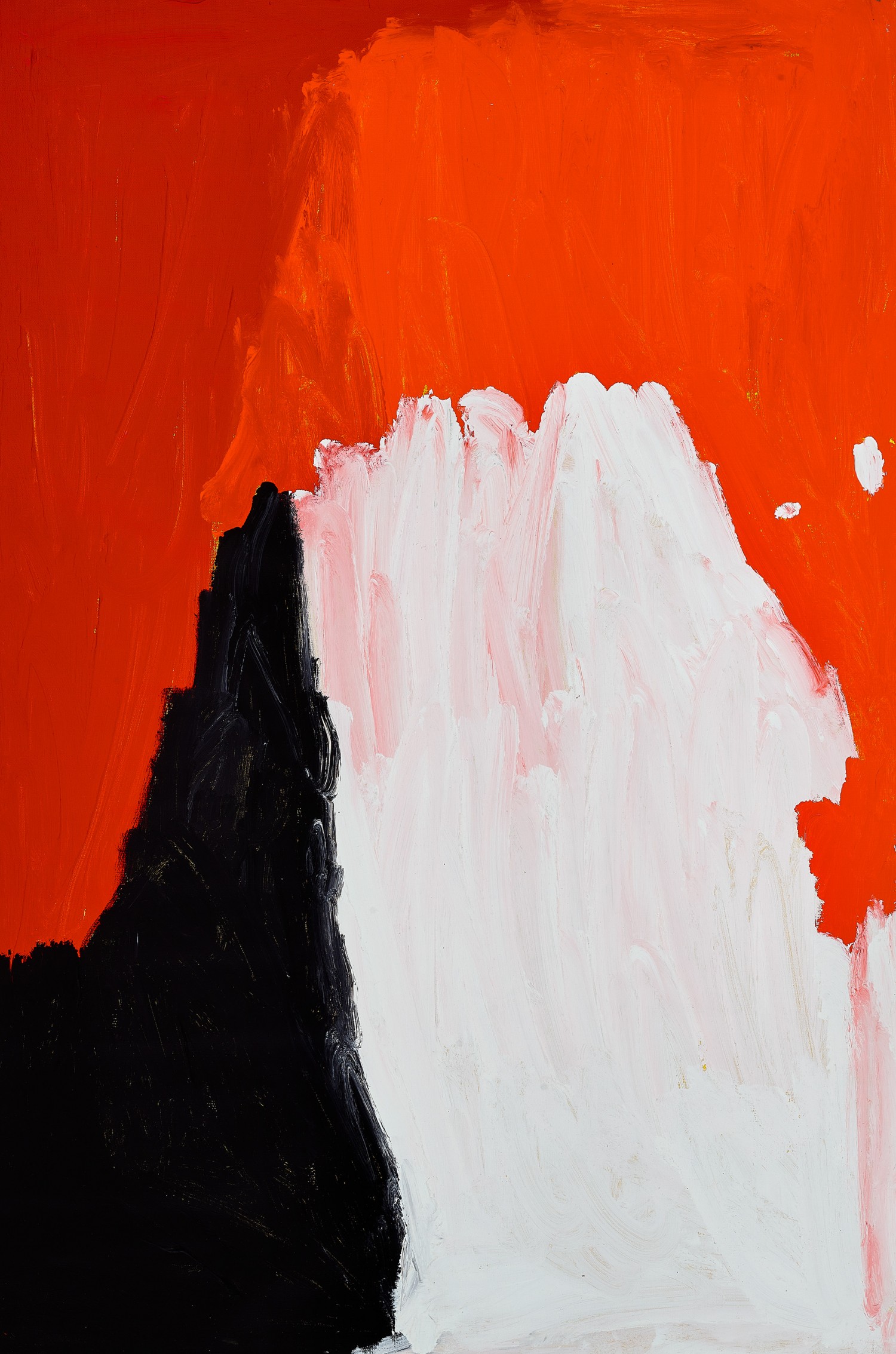
'This is the big saltpan that covers part of my husband's country on Bentinck Island.'
Gabori began her art career late in life, aged 85, however, unlike many other Aboriginal language groups, the Kaiadilt did not have a tradition of mark making, whether on tools, objects or bark. Taking this cultural background into consideration, Gabori’s style is completely self-made, conjured from maps in her mind of Bentinck Island and the country she loved. From her very earliest works, she has depicted aspects of her own beloved country as well as that of her brother, father and husband – including both geographical aspects of the landscape as well as the wildlife, specifically sea-life which is central to the landscape.’1
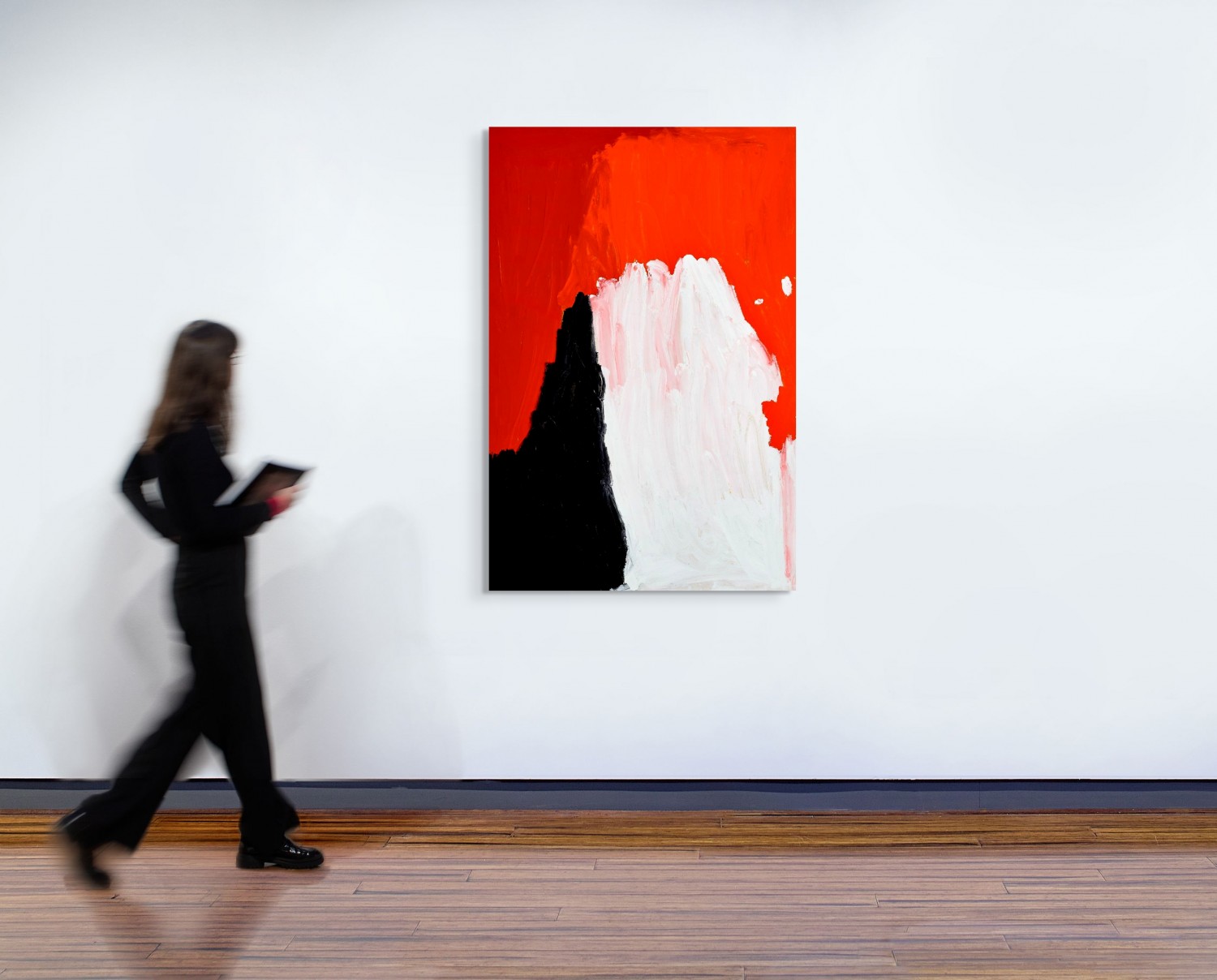
Dibirdibi Country, 2010 depicts a subject painted more often by the artist than any other and is a powerful recollection of the country of her husband, Kabarrarjingathi Bulthuku Pat Gabori, a rival of her brother King Alfred, and whose relationship with Gabori created intense friction within Kaiadilt society eventually resulting in the death of her brother.2 As Gabori suggests on the certificate of authenticity from Mornington Island Arts and Crafts which accompanies the work, the painting recalls the country of her husband and the Rock Cod Ancestor, depicting the big mangrove swamp on the edge of a large saltpan that covers part of her husband’s country close to the site where the liver of Dibirdibi, the Rock Cod Ancestor, was thrown into the sea, creating a permanent fresh water well. Known primarily for her brightly coloured canvases, with vital, intuitive and boldly executed brushstrokes, when Gabori paints Dibirdibi, the meanings layer in multitudes; she is at once painting the saltpans of the land, the Rock Cod Ancestor Dreaming of Dibirdibi Country, a portrait of her late husband in connection to his country, and finally, her own longing, loss and memory.
1. Pinchbeck, C., ‘Mirdidingkingathi Juwarnda Sally Gabori’ in unDisclosed, 2nd National Indigenous Art Triennial, National Gallery of Australia, Canberra, 2012, p. 64
2. McLean, B., ‘Dulka Warngiid; The Whole World’ in Mirdidingkingathi Juwarnda Sally Gabori Dulka Warngiid; Land of All, Queensland Art Gallery I Gallery of Modern Art, Brisbane, 2016, p. 16