
Rover Thomas (Joolama)
The art of Rover Thomas is synonymous with East Kimberley painting, though his origins lie further south in the Great Sandy Desert. Born at Yelda, a soakage near Well 33 on the Canning Stock Route, Thomas lost both parents during a severe drought in the late 1930s. At around eleven years old, renowned stockman Wally Dowling found the young boy and took him to Bililuna Station on the south-eastern edge of the Kimberley, where he grew up to become a stockman and fencer.
Thomas articulated a highly personal way of telling stories and establishing connection to the land and its related ceremonies. A custodian of the Kurirr Kurirr ceremony, his deep-rooted knowledge of the past converged with the present in enigmatic paintings exploring the history of the land and ancestral tales. His idiosyncratic style established a new typology and visual language distinct to East Kimberley, carefully balancing landscape and narrative in natural harmony. Executed in earth pigments and natural resins, his canvases unite planar and aerial views of country, mapping vast tracts of land while exploring their regional history. In 1990, Thomas was selected as one of the first two Aboriginal artists to represent Australia at the Venice Biennale.
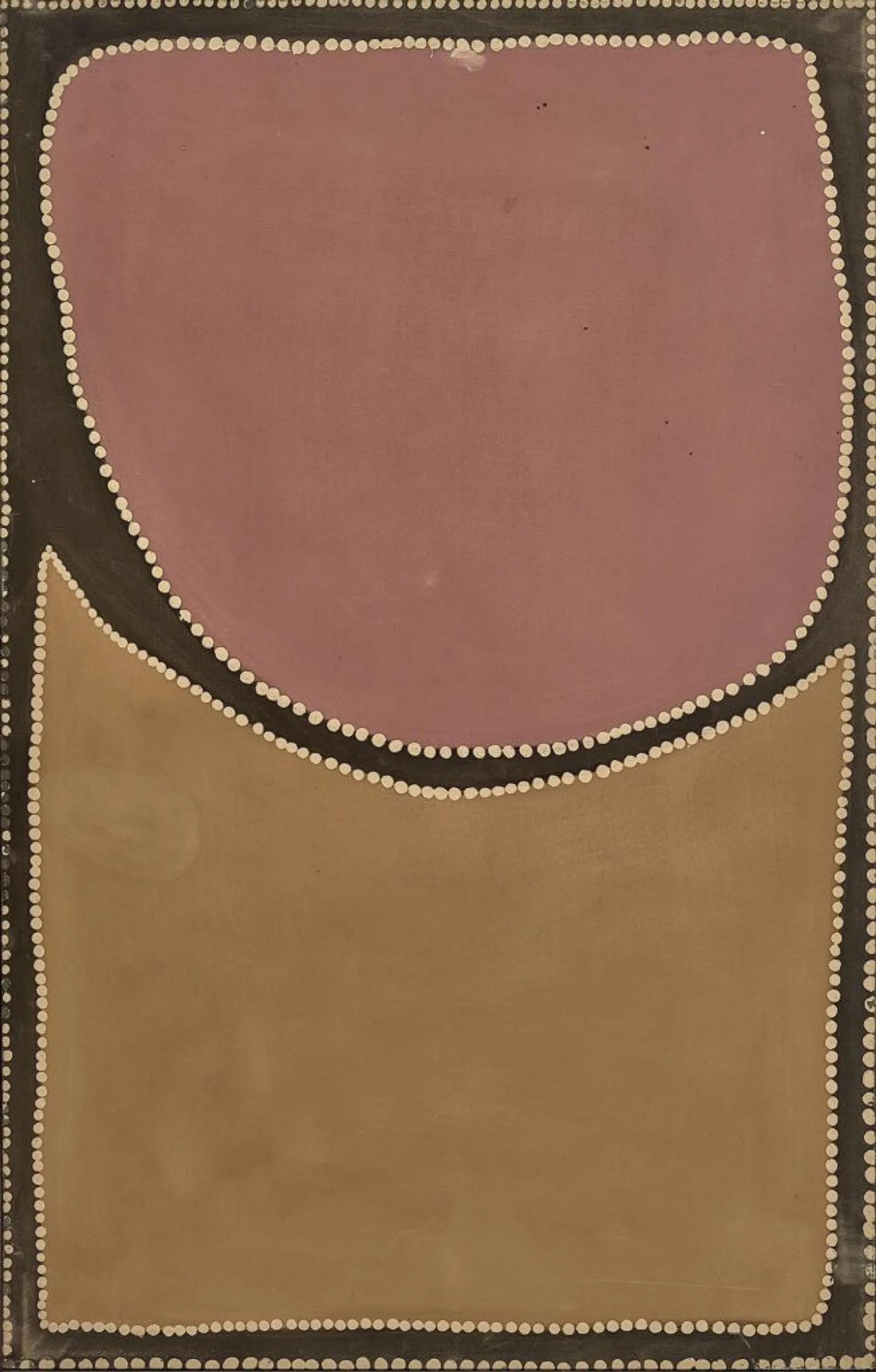
Rover Thomas (Joolama)
(c.1926 - 1998)
live auction, 25 March 2026
Estimate $120,000 - $160,000
Sold $227,045 (inc. BP)
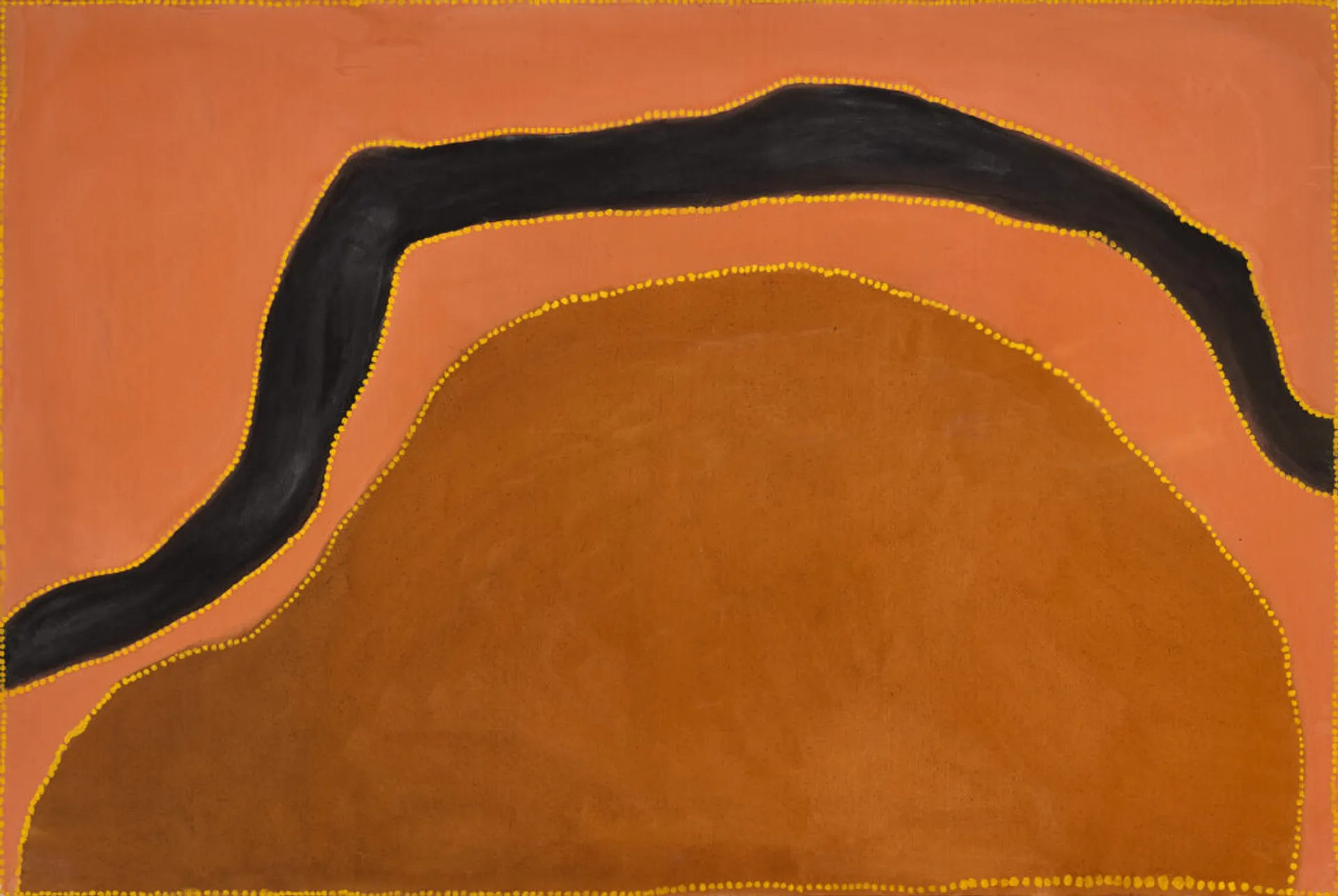
Rover Thomas (Joolama)
(c.1926 - 1998)
live auction, 25 March 2026
Estimate $250,000 - $350,000
Sold $392,727 (inc. BP)
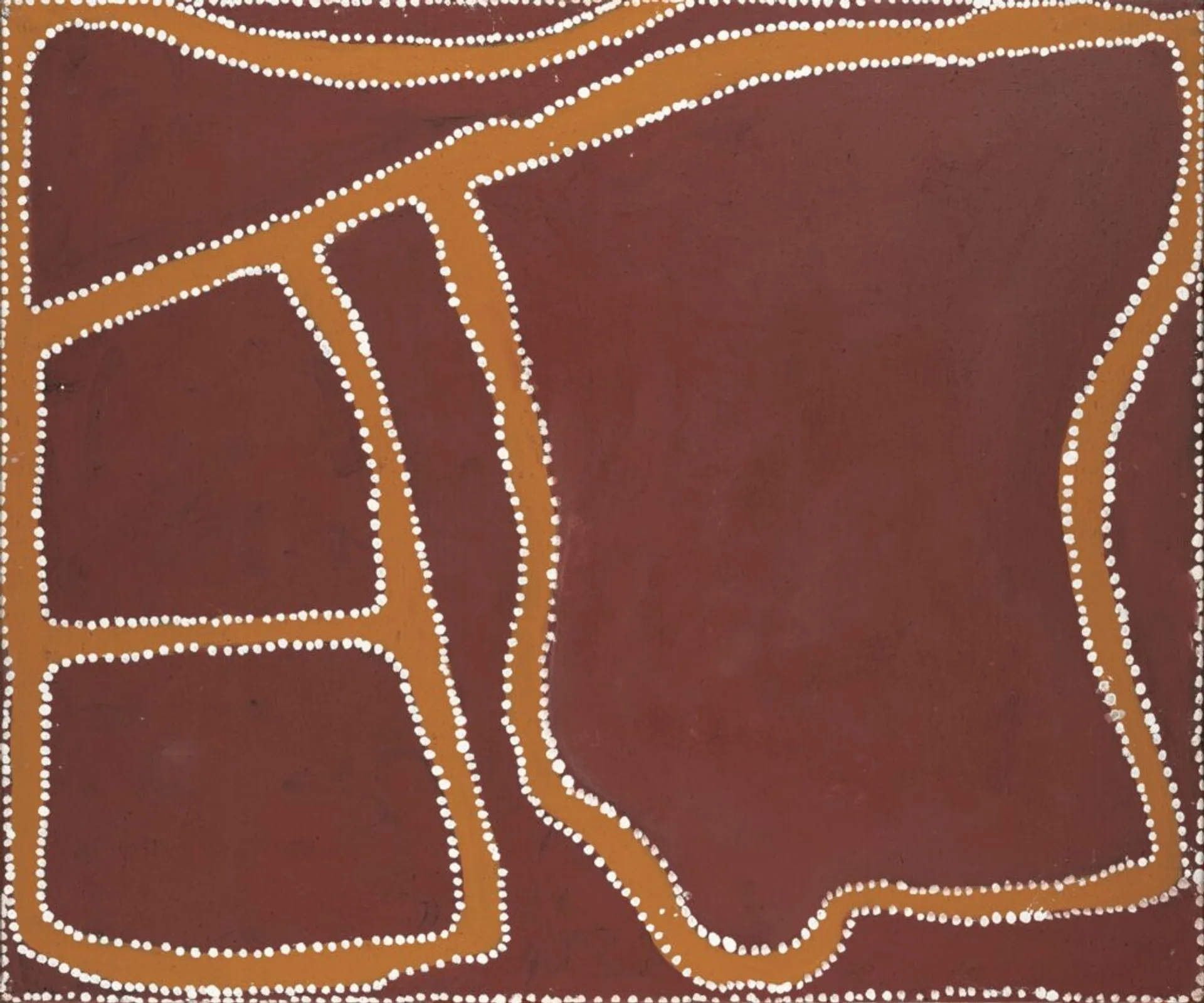
Rover Thomas (Joolama)
(c.1926 - 1998)
live auction, 26 March 2025
Estimate $60,000 - $80,000
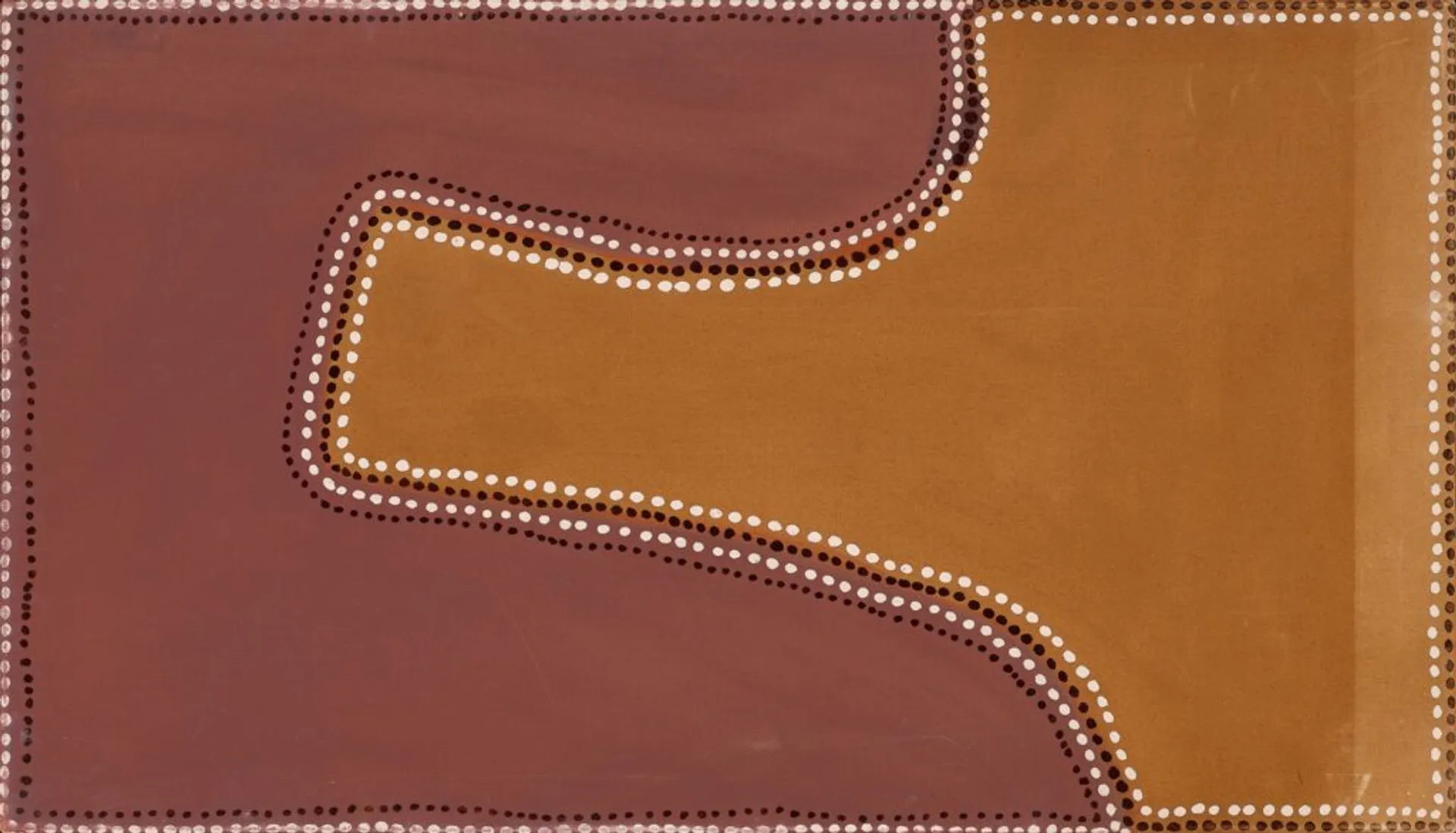
Rover Thomas (Joolama)
(c.1926 - 1998)
live auction, 26 March 2024
Estimate $35,000 - $45,000
Sold $46,636 (inc. BP)
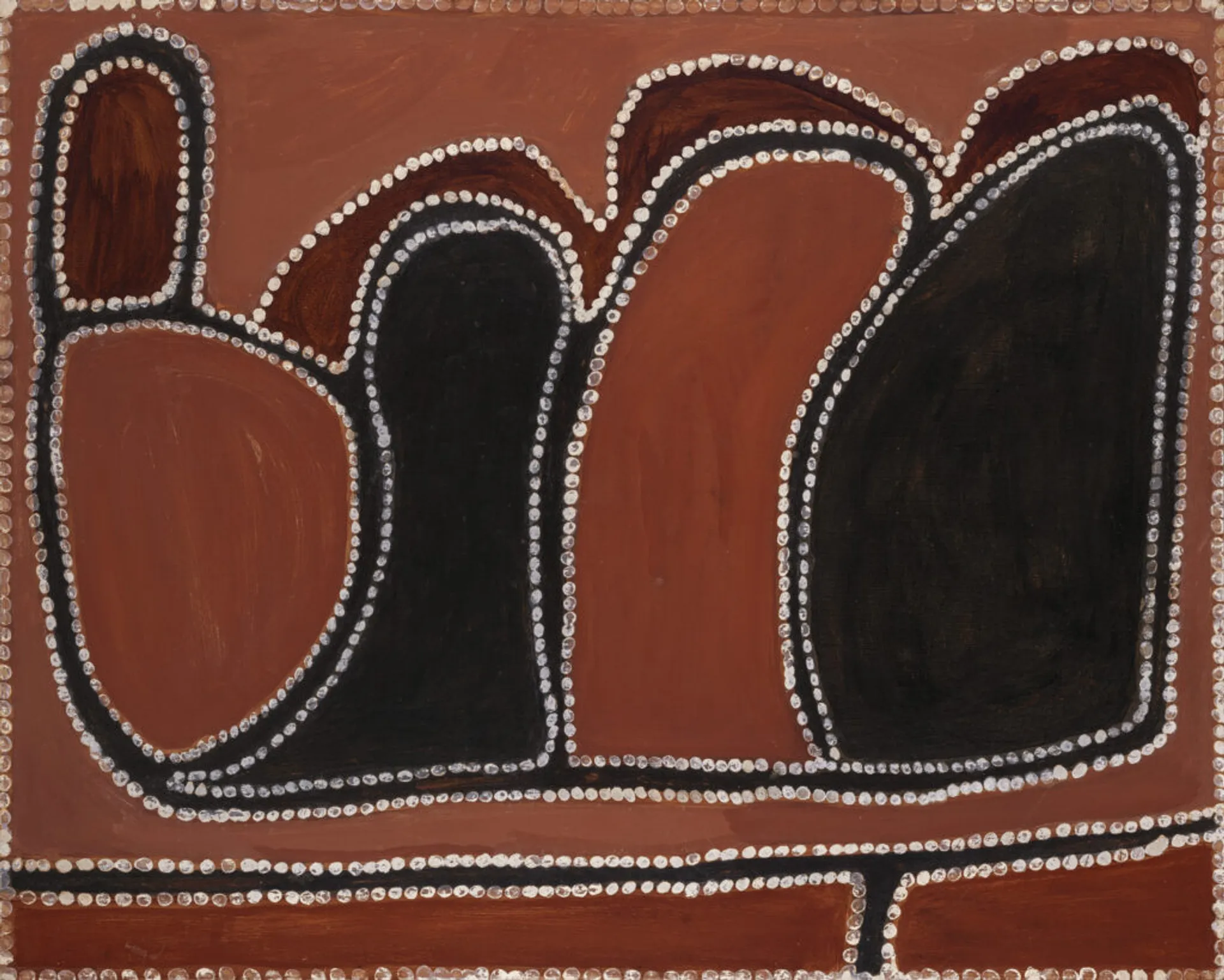
Rover Thomas (Joolama)
(c.1926 - 1998)
live auction, 22 March 2023
Estimate $40,000 - $60,000
Sold $64,432 (inc. BP)
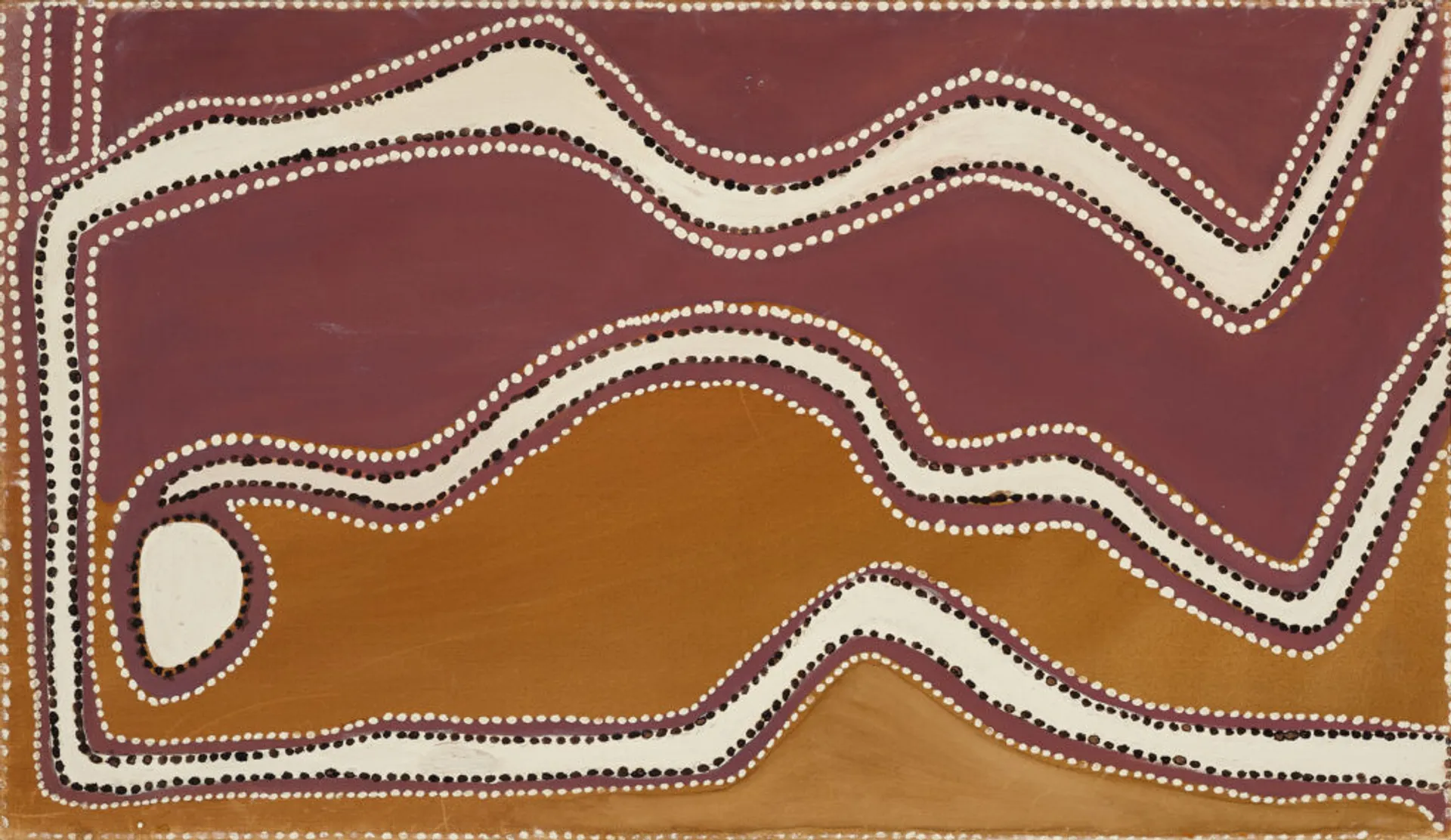
Rover Thomas (Joolama)
(c.1926 - 1998)
live auction, 22 March 2023
Estimate $80,000 - $120,000
Sold $147,273 (inc. BP)
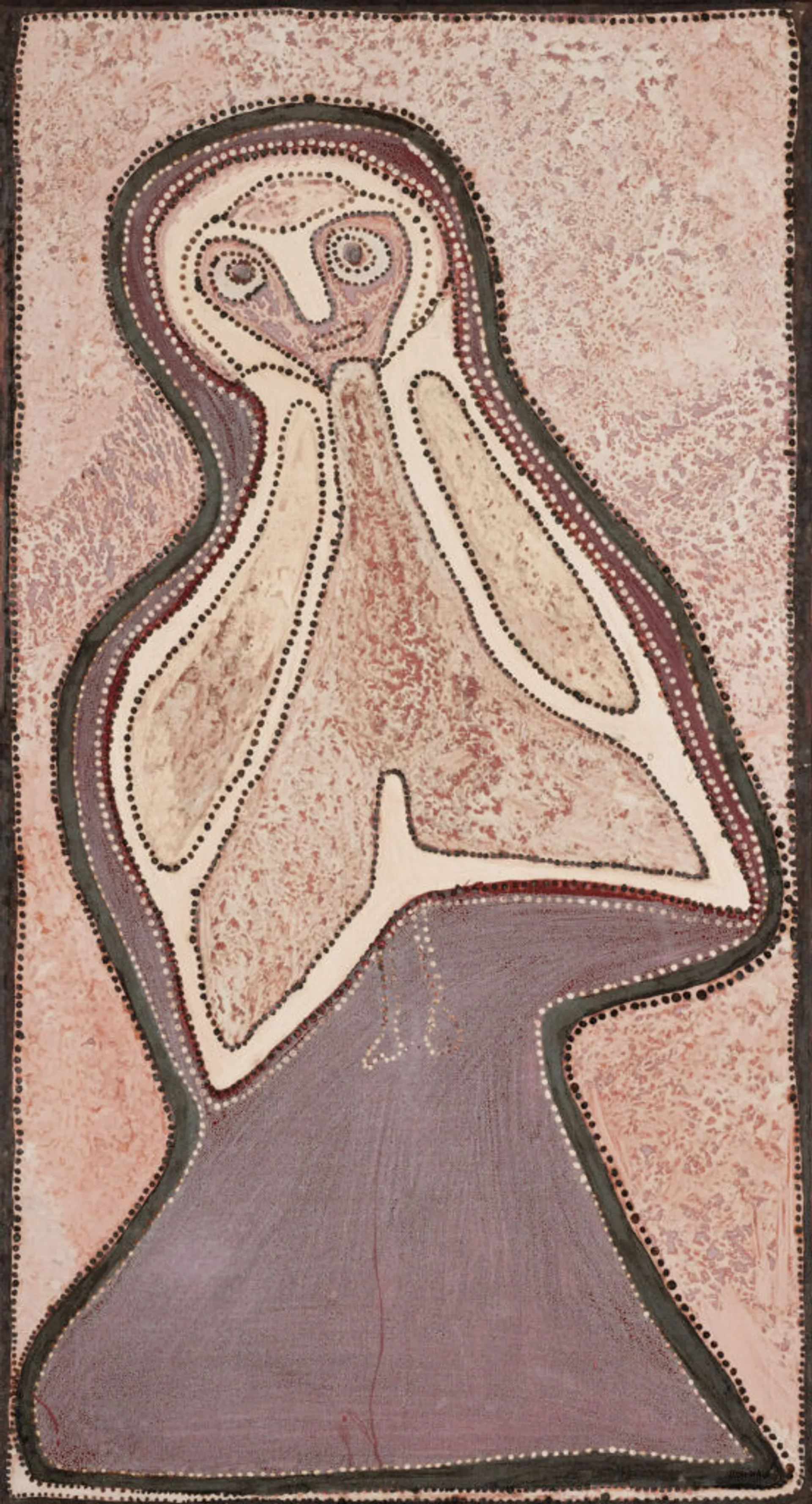
Rover Thomas (Joolama)
(c.1926 - 1998)
live auction, 30 March 2022
Estimate $200,000 - $300,000
Sold $257,727 (inc. BP)
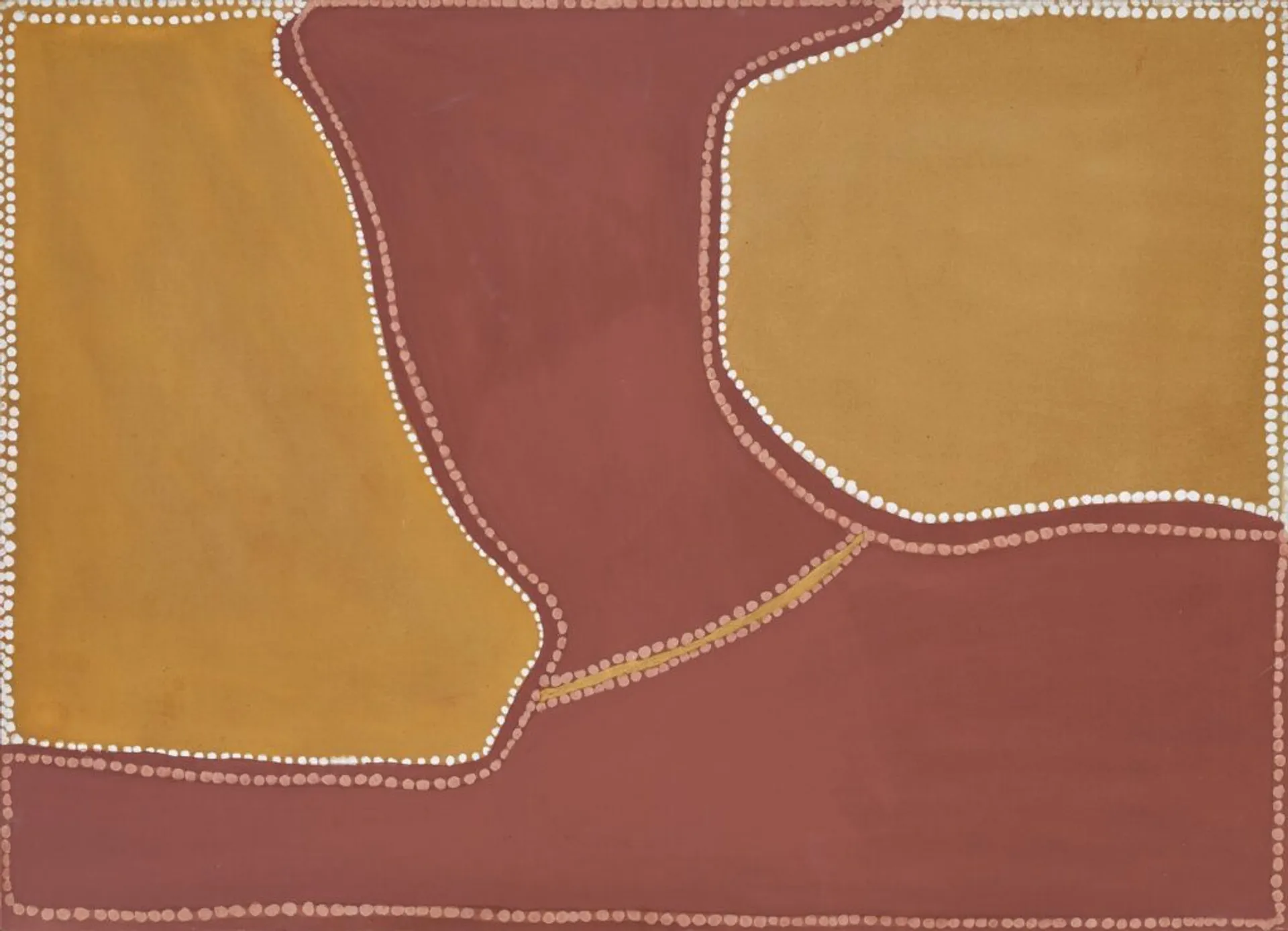
Rover Thomas (Joolama)
(c.1926 - 1998)
online auction, 31 August 2021
Estimate $40,000 - $50,000
Sold $42,955 (inc. BP)
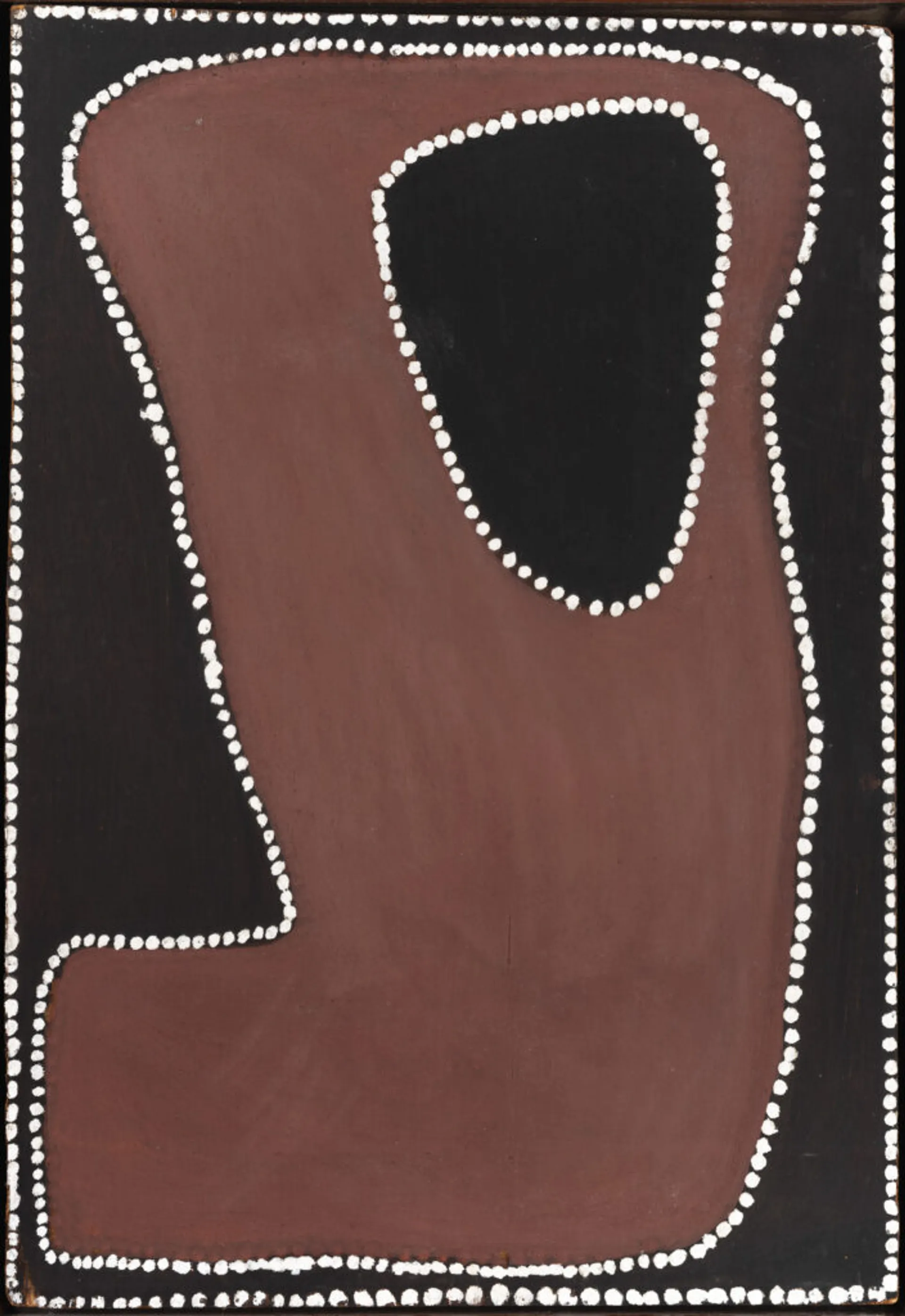
Rover Thomas (Joolama)
(c.1926 - 1998)
live auction, 17 March 2021
Estimate $30,000 - $40,000
Sold $78,545 (inc. BP)
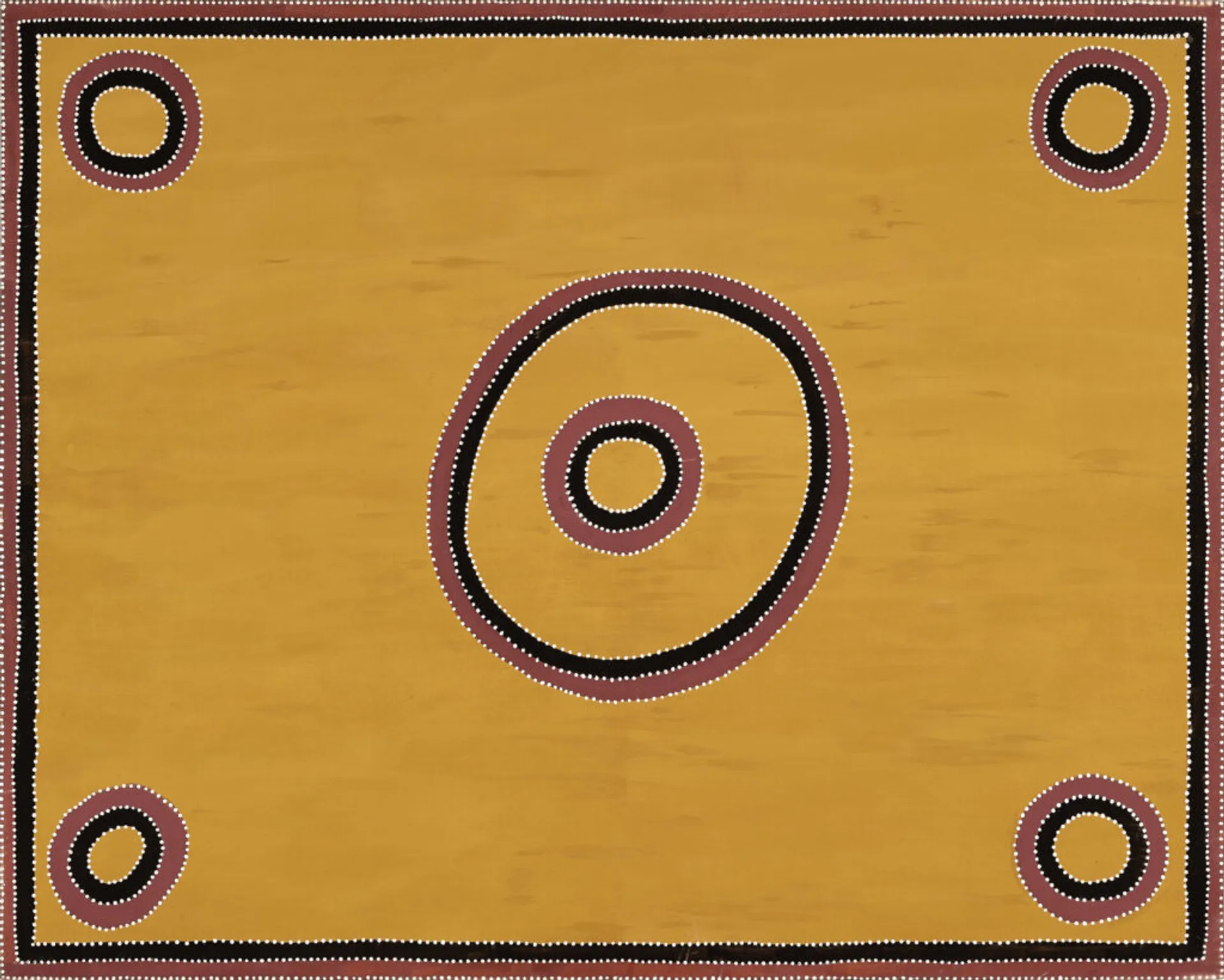
Rover Thomas (Joolama)
(c.1926 - 1998)
live auction, 17 March 2021
Estimate $80,000 - $120,000
Sold $98,182 (inc. BP)
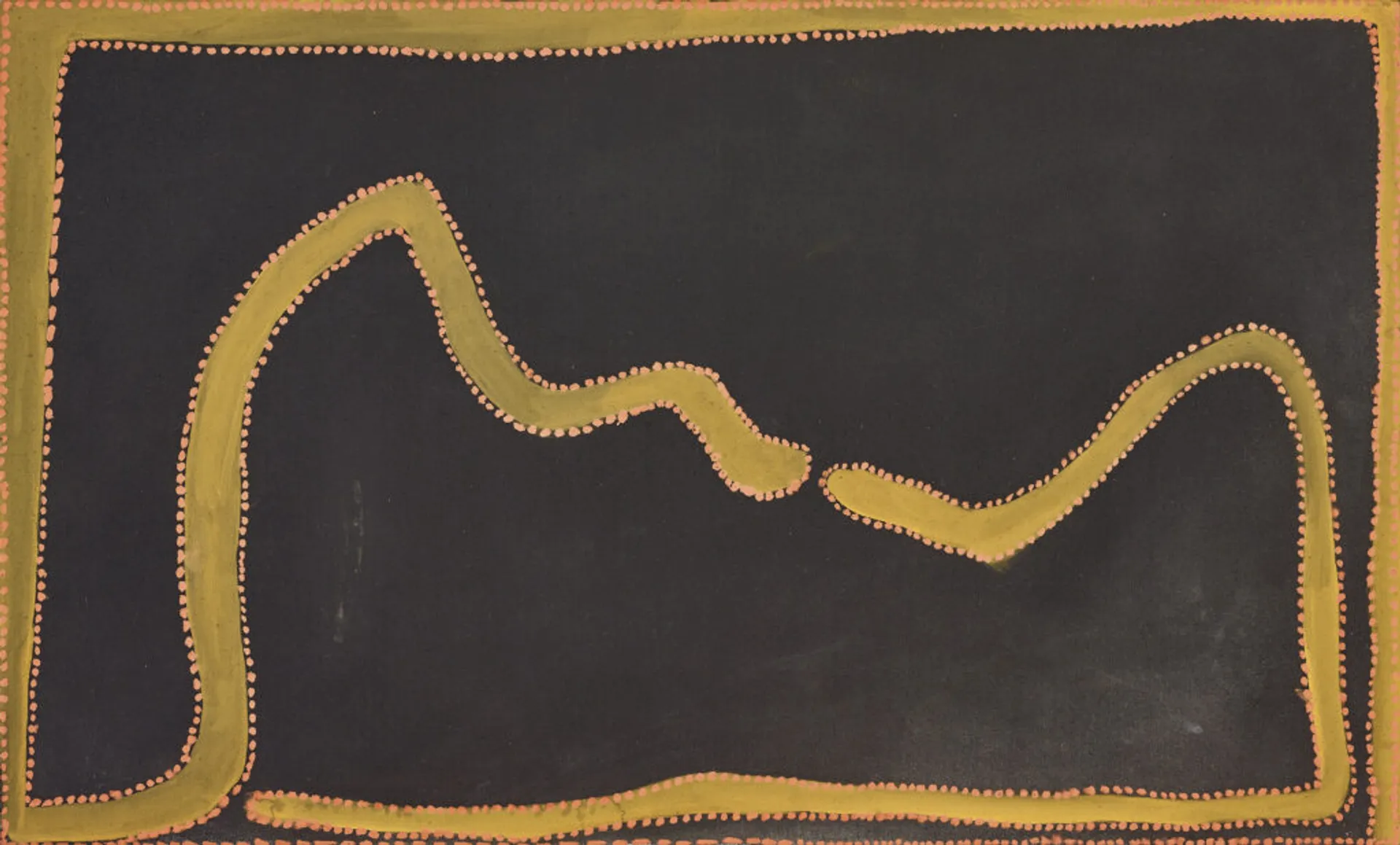
Rover Thomas (Joolama)
(c.1926 - 1998)
live auction, 17 March 2021
Estimate $40,000 - $60,000
Sold $93,273 (inc. BP)
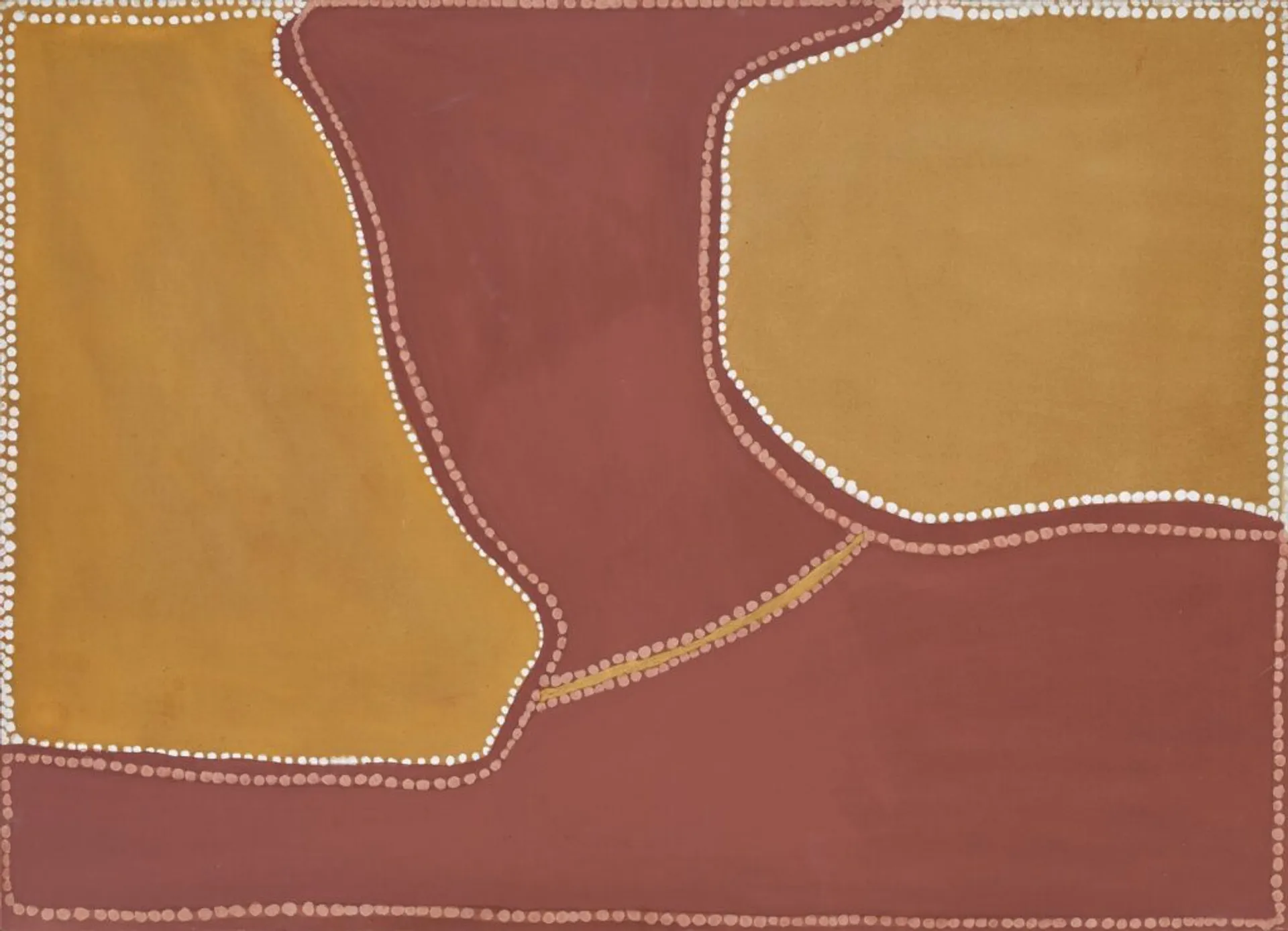
Rover Thomas (Joolama)
(c.1926 - 1998)
live auction, 11 November 2020
Estimate $50,000 - $70,000