
Russell Drysdale
Russell Drysdale’s paintings of Australia and its inhabitants helped define our national identity, capturing the essence of the country and the character of its people. When his now iconic depictions of rural Australia first appeared in the early 1940s, there was no artistic precedent for imagery of a harsh and unyielding landscape populated by stoic, resilient people. Representing a decisive break from romantic pastoral imagery, his vision made a profound contribution to the visual representation of Australian life.
His path to an artistic career was more coincidence than planning. Recovering from eye surgery in 1932, he passed time by drawing. Impressed, his doctor showed the work to Daryl Lindsay, who introduced him to influential modernist teacher George Bell. Drysdale enrolled at the Shore–Bell School in Melbourne in 1935. His first solo exhibition at Riddell Galleries in 1938 was overwhelmingly positive. In 1941, Monday Morning was acquired by the Metropolitan Museum of Art in New York, followed by major acquisitions by Australian institutions, establishing him as one of the best-known artists of his generation.
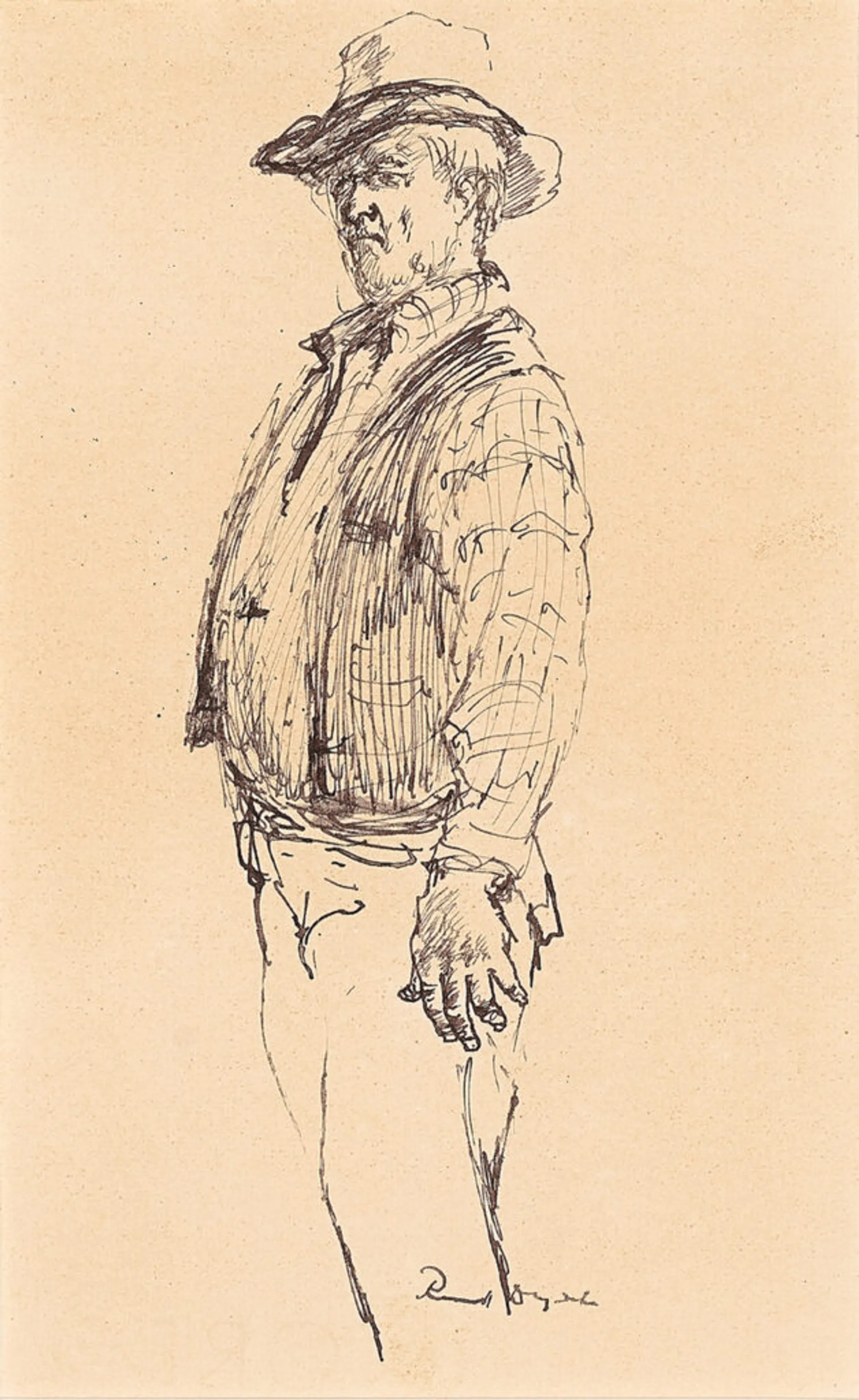
Russell Drysdale
(1912 - 1981)
online auction, 15 September 2026
Estimate $5,000 - $7,000
Sold $4,909 (inc. BP)
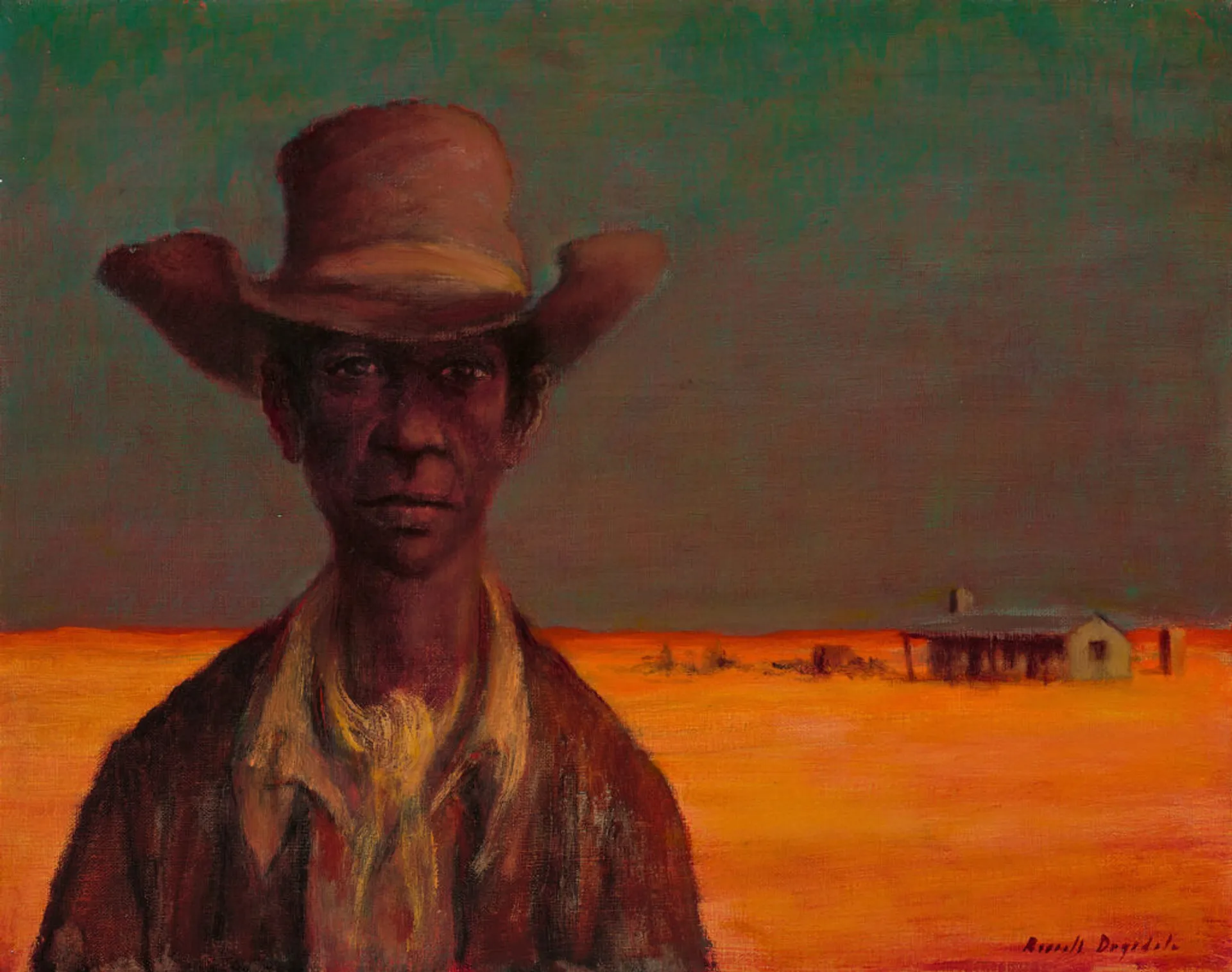
Russell Drysdale
(1912 - 1981)
live auction, 26 August 2026
Estimate $500,000 - $700,000
Sold $675,000 (inc. BP)
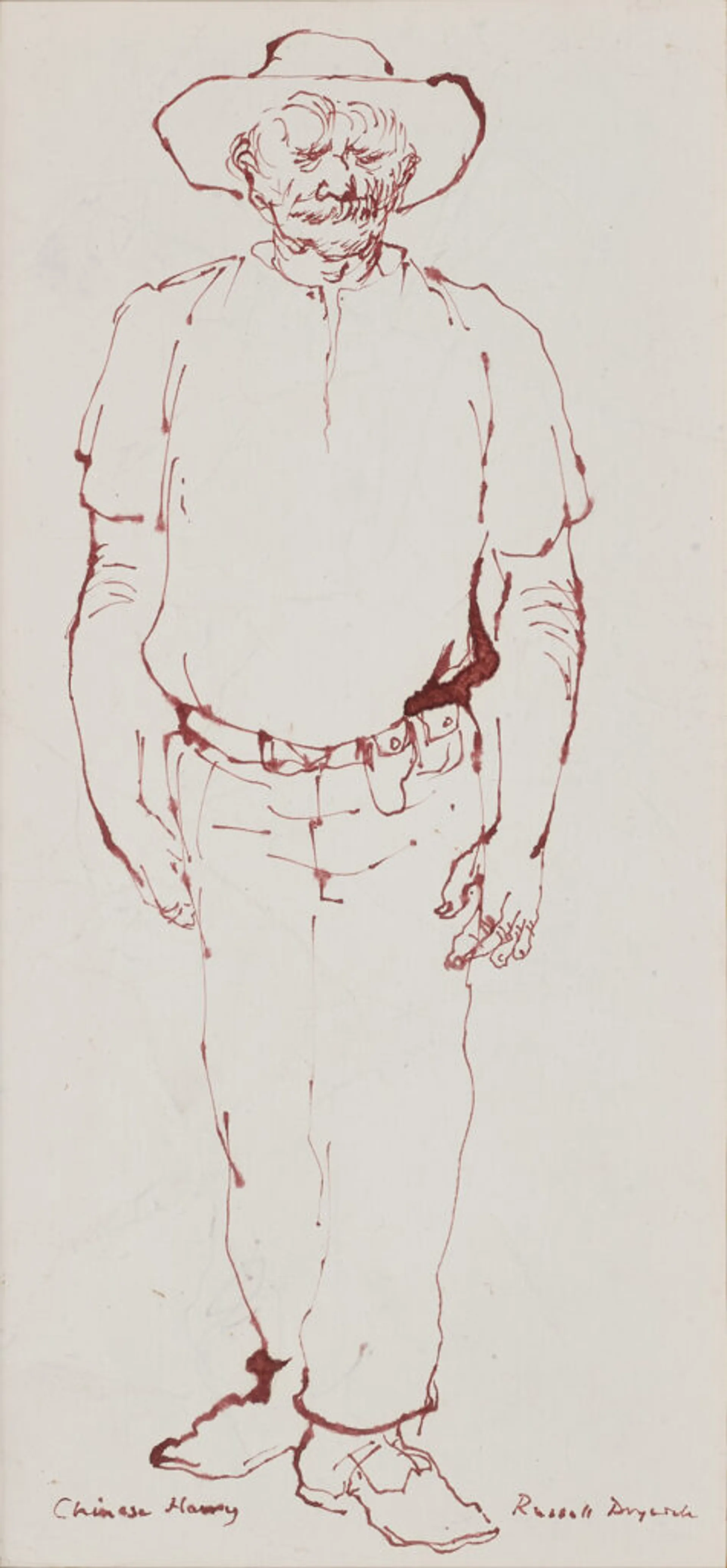
Russell Drysdale
(1912 - 1981)
online auction, 19 May 2026
Estimate $5,000 - $7,000
Sold $4,909 (inc. BP)
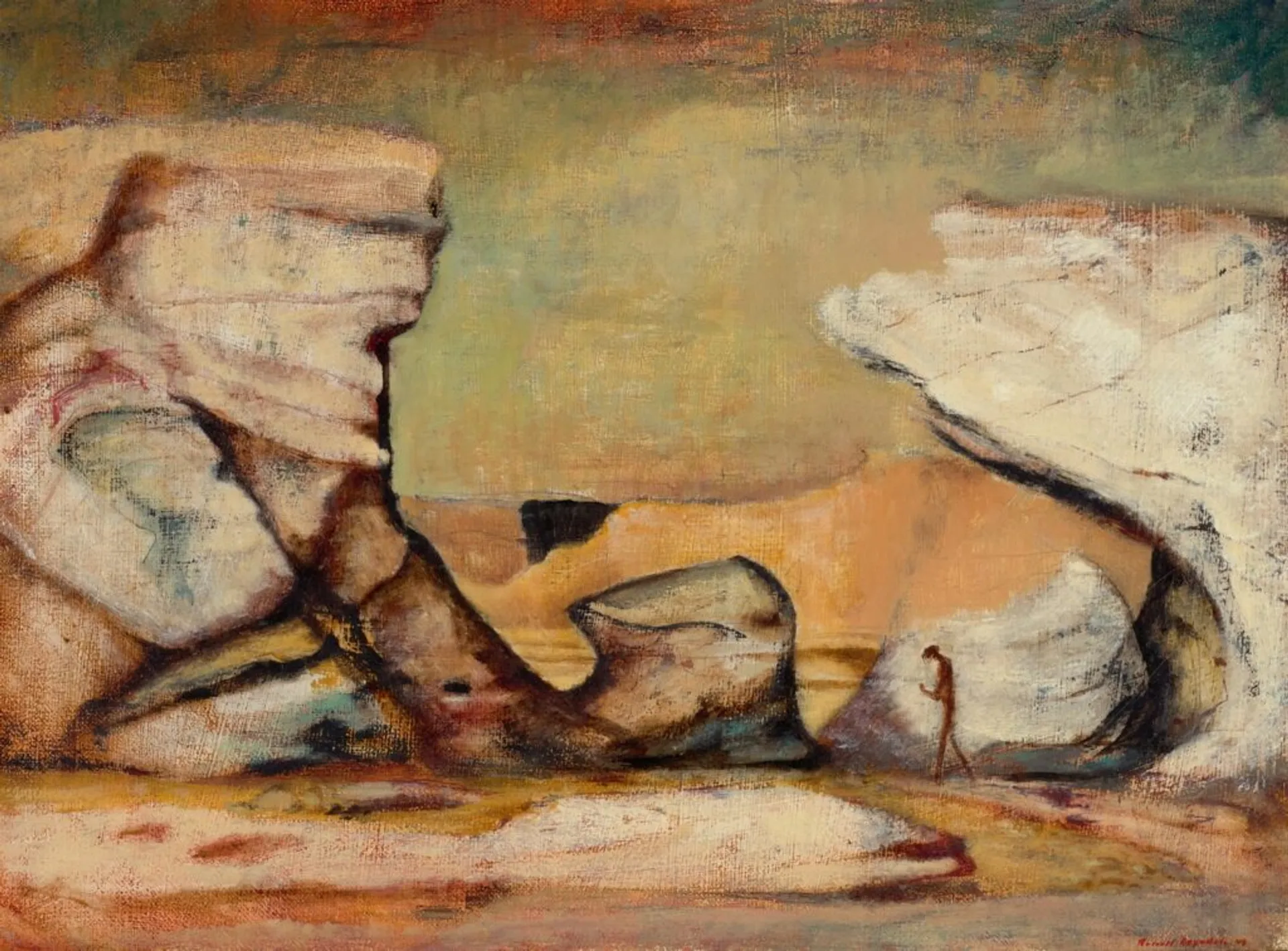
Russell Drysdale
(1912 - 1981)
live auction, 7 May 2025
Estimate $300,000 - $400,000
Sold $306,818 (inc. BP)

Russell Drysdale
(1912 - 1981)
live auction, 24 April 2024
Estimate $350,000 - $450,000
Sold $441,818 (inc. BP)
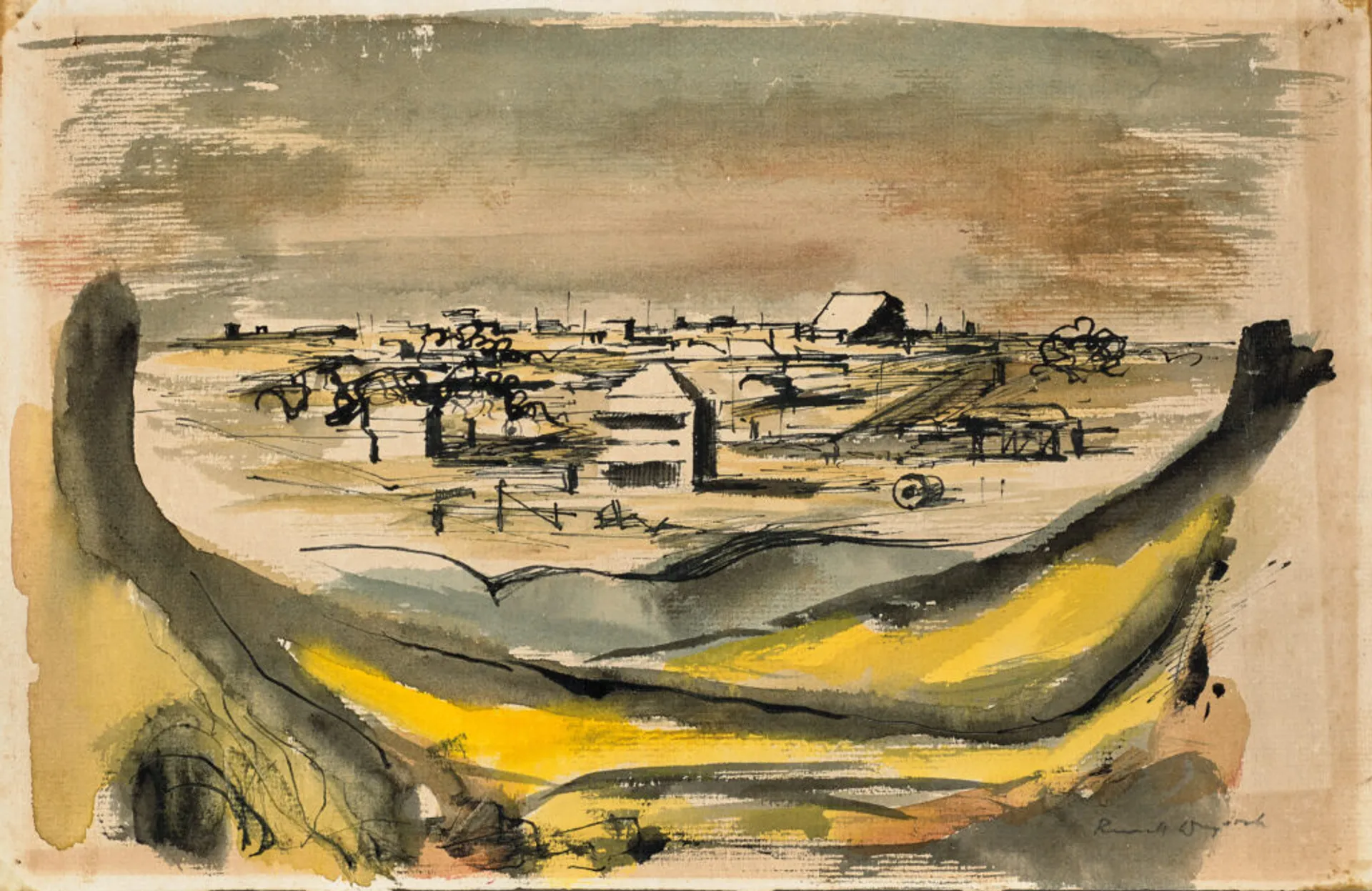
Russell Drysdale
(1912 - 1981)
online auction, 23 May 2023
Estimate $3,000 - $5,000
Sold $3,191 (inc. BP)
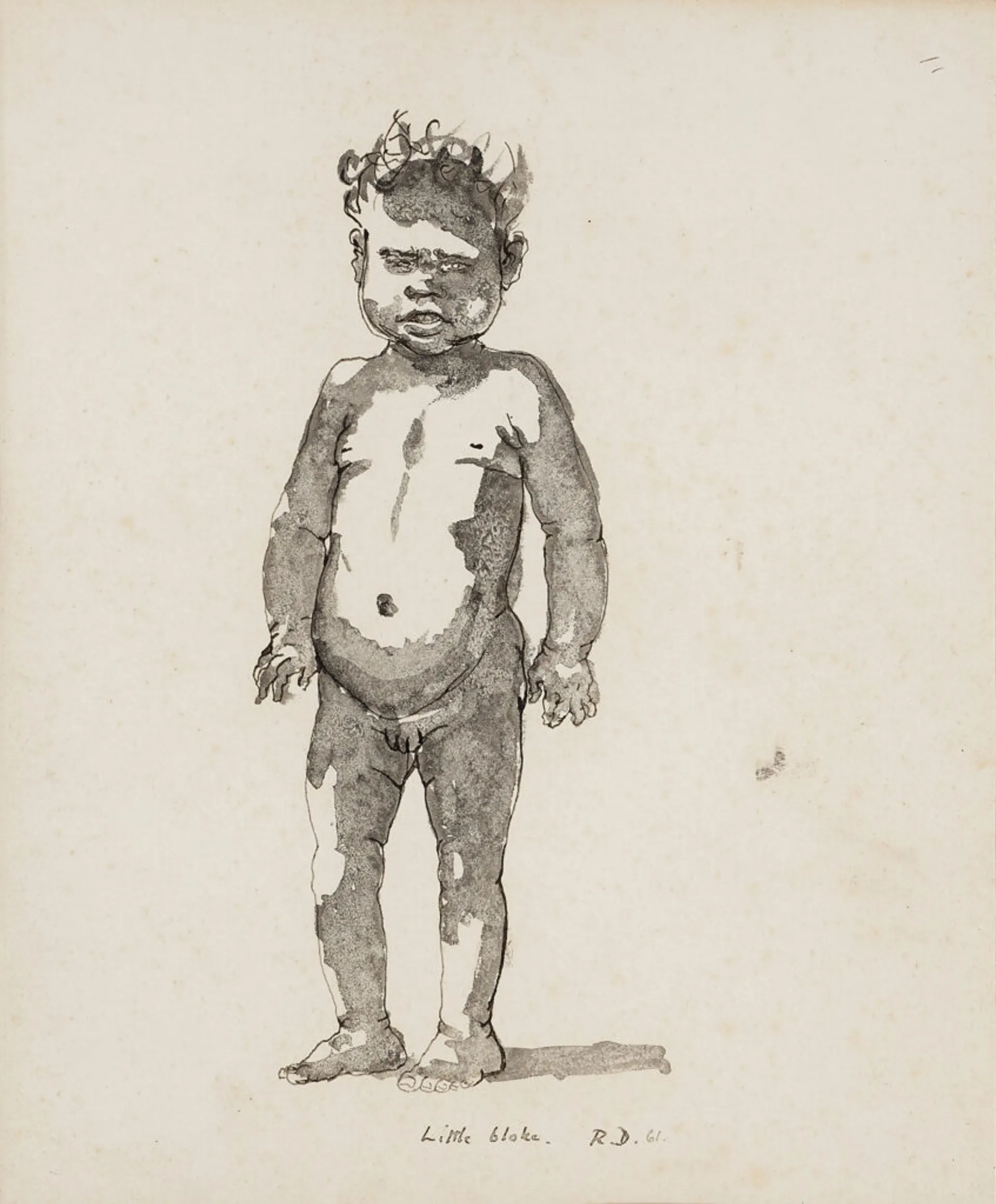
Russell Drysdale
(1912 - 1981)
online auction, 23 May 2023
Estimate $3,000 - $5,000
Sold $3,927 (inc. BP)
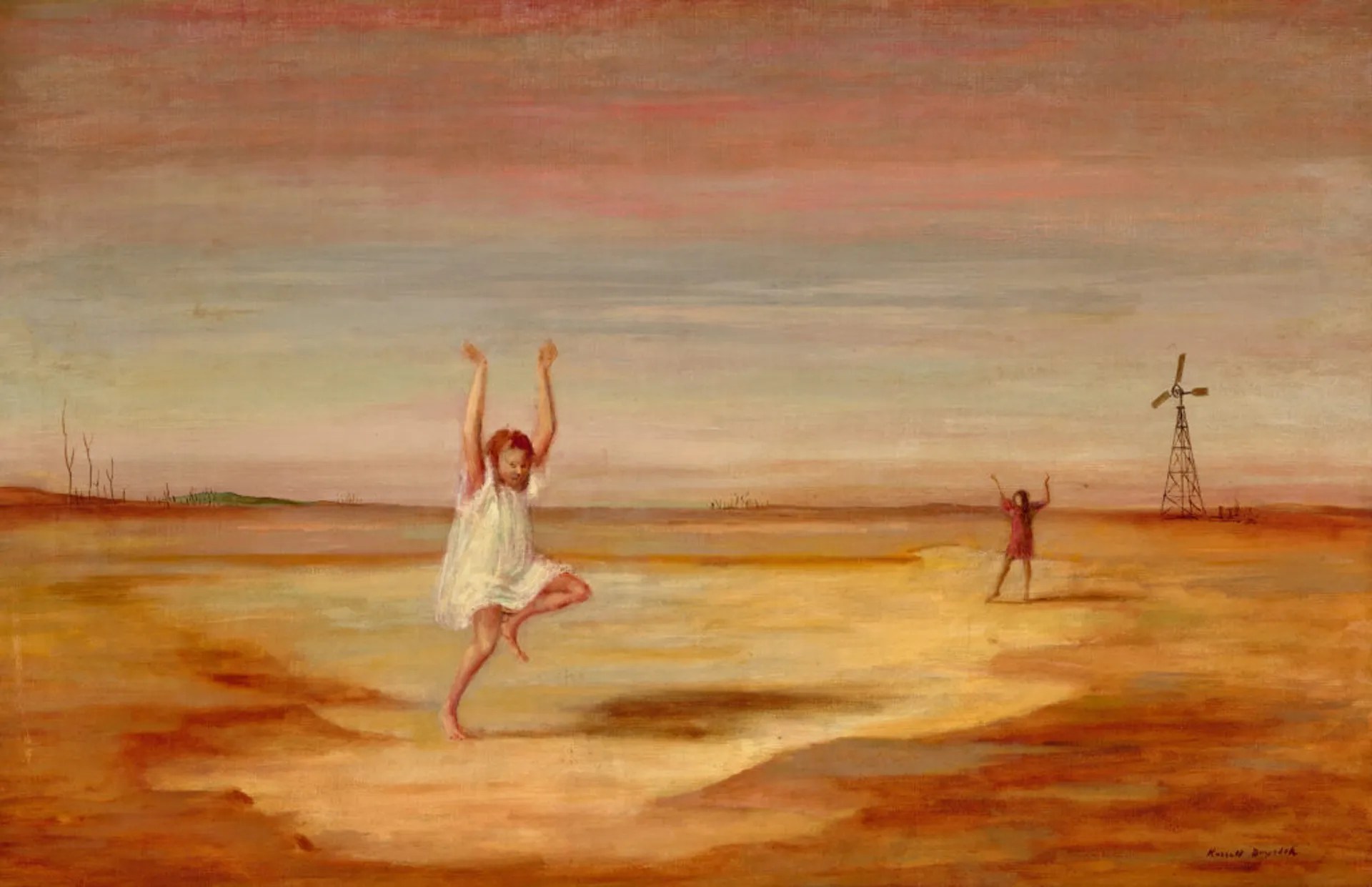
Russell Drysdale
(1912 - 1981)
live auction, 3 May 2023
Estimate $1,300,000 - $1,600,000
Sold $2,025,000 (inc. BP)
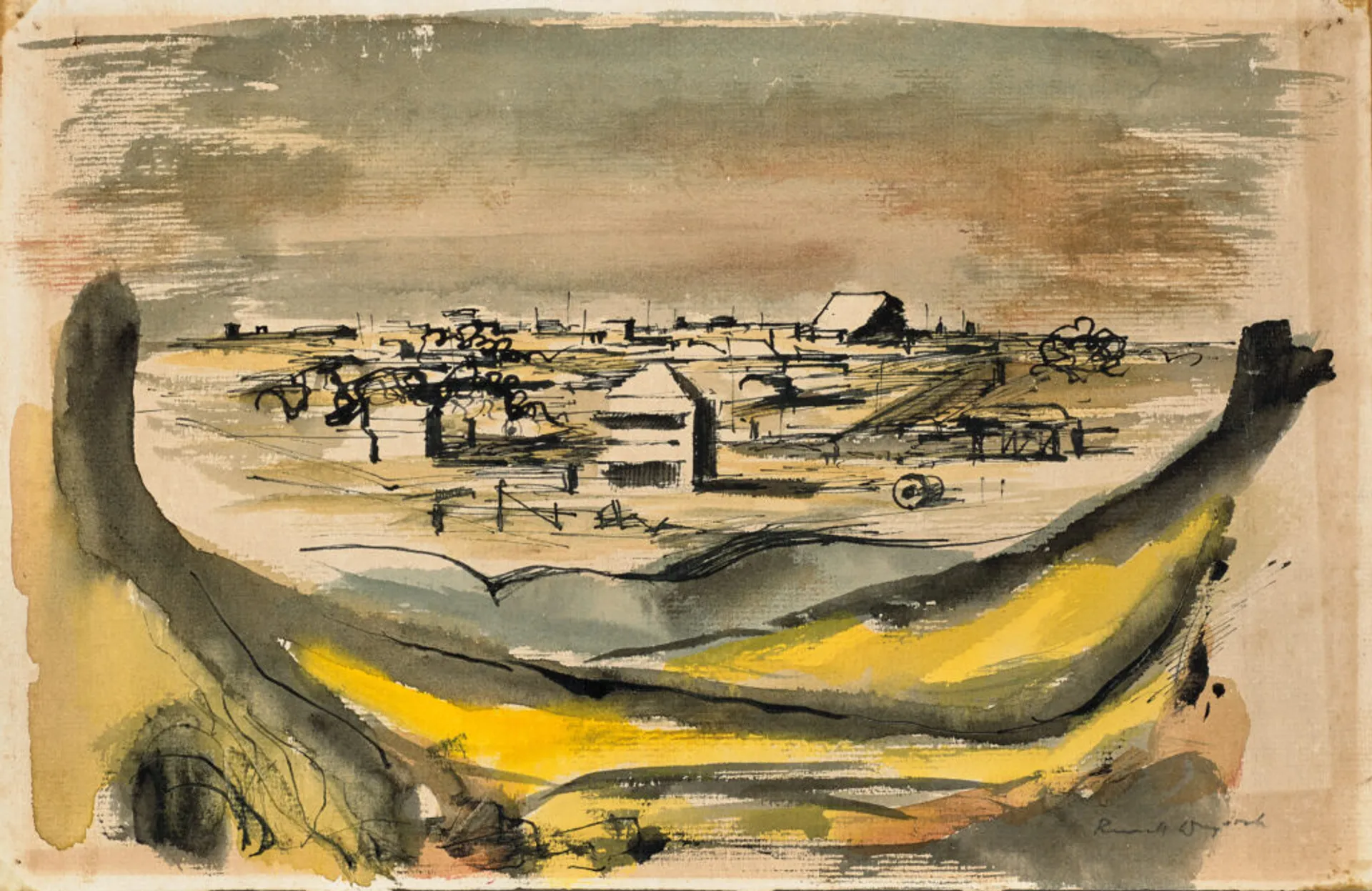
Russell Drysdale
(1912 - 1981)
online auction, 15 February 2023
Estimate $8,000 - $10,000
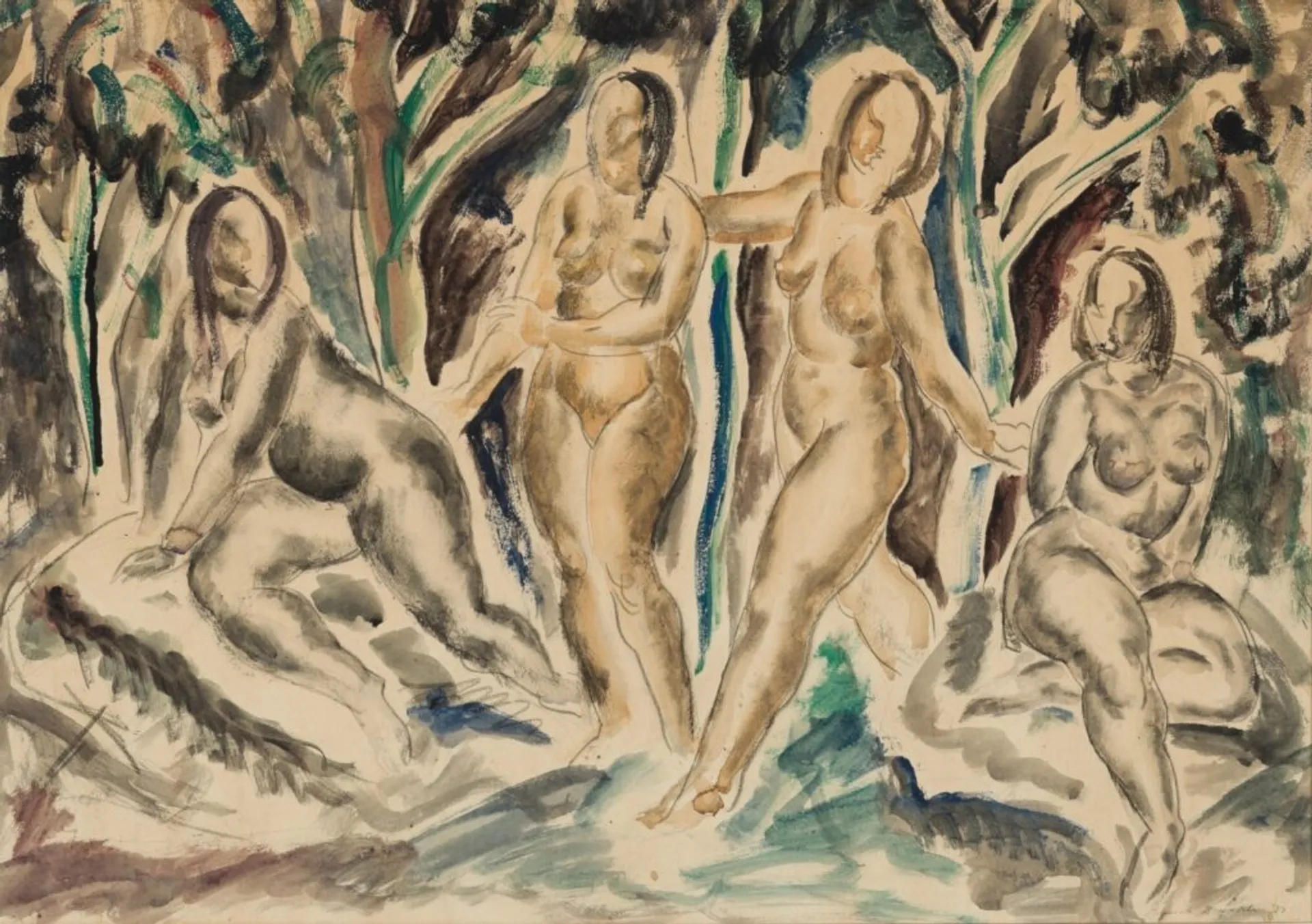
Russell Drysdale
(1912 - 1981)
live auction, 1 December 2022
Estimate $30,000 - $40,000
Sold $42,955 (inc. BP)
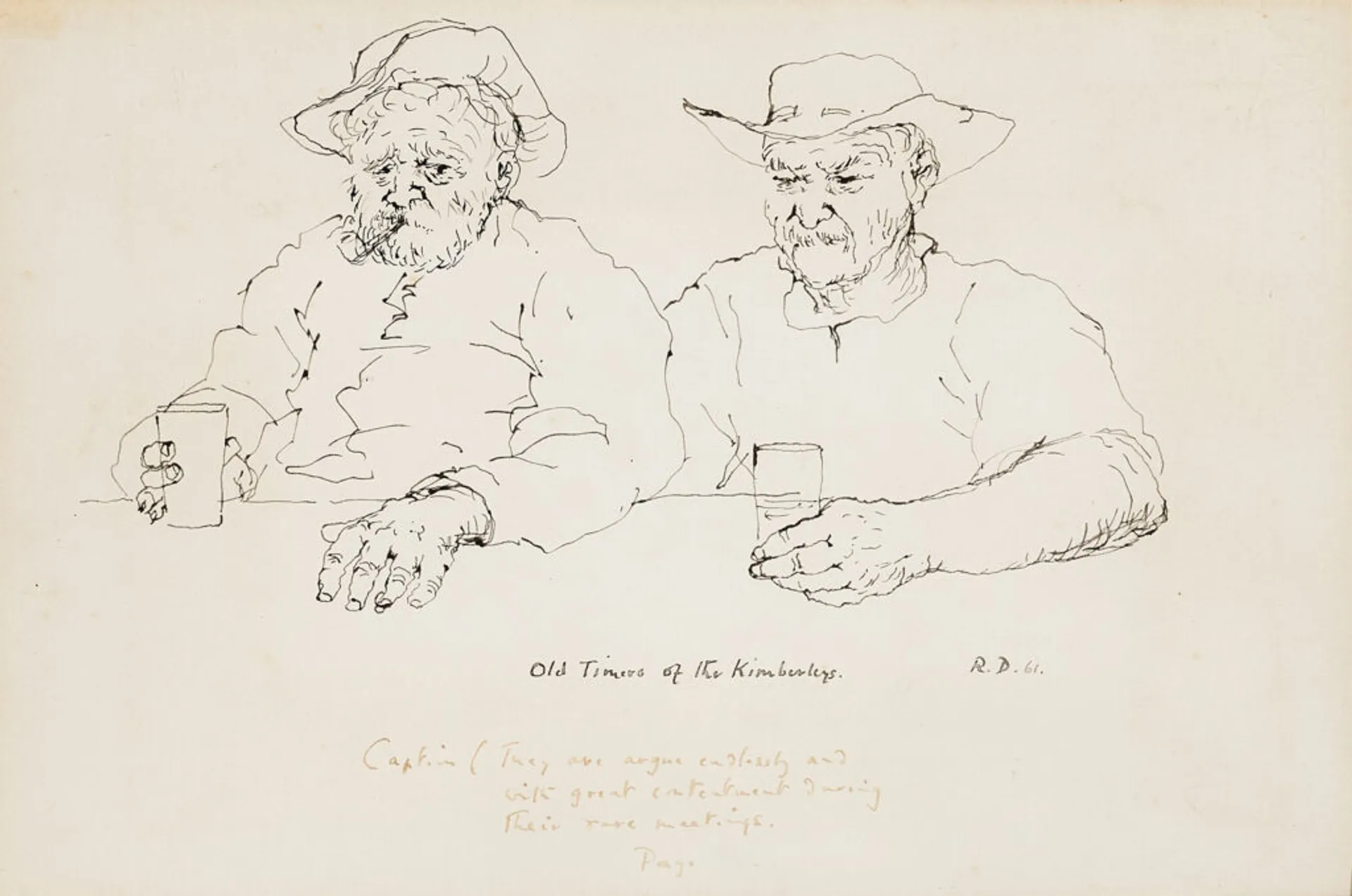
Russell Drysdale
(1912 - 1981)
online auction, 4 October 2022
Estimate $6,000 - $9,000
Sold $6,136 (inc. BP)
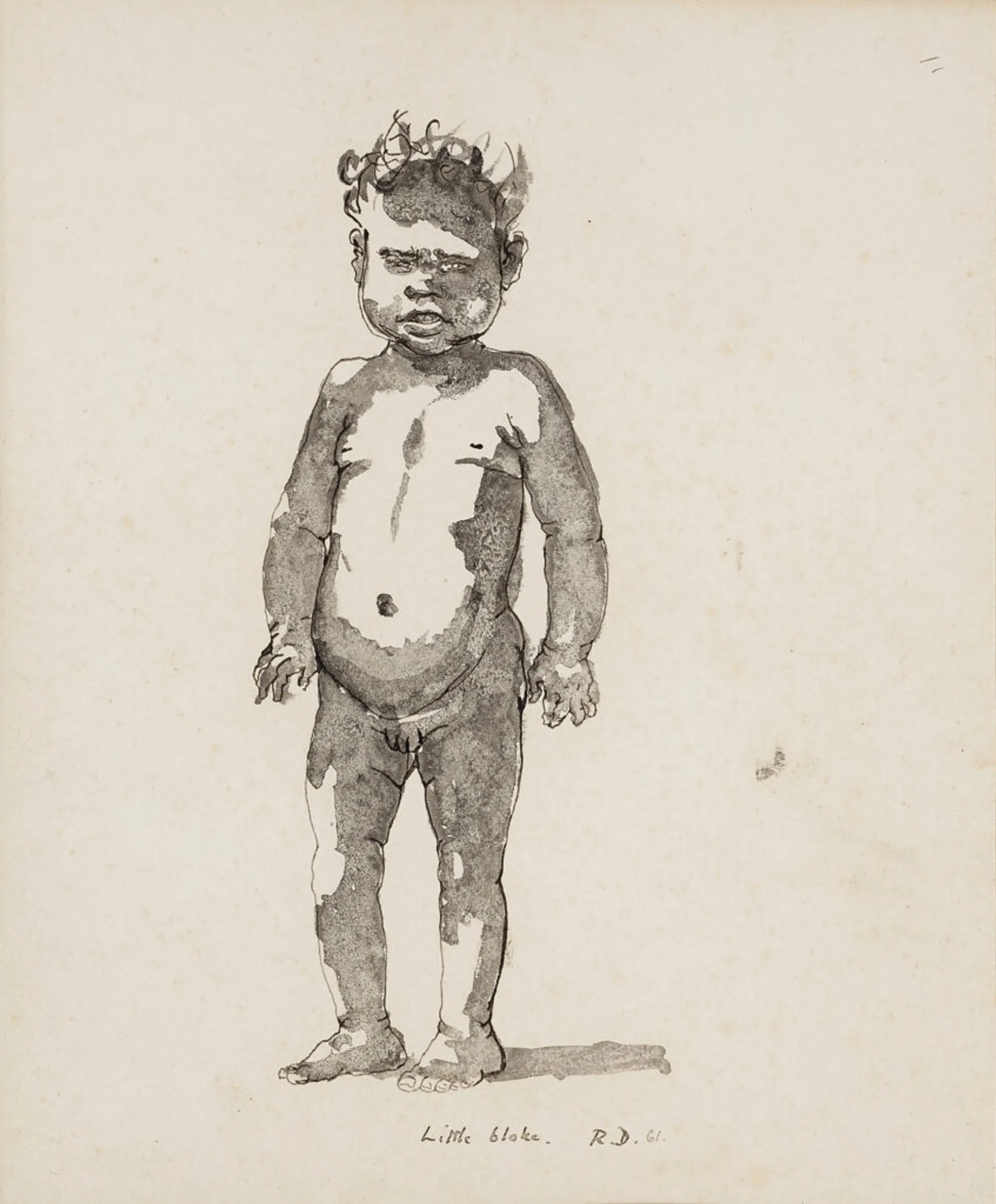
Russell Drysdale
(1912 - 1981)
online auction, 4 October 2022
Estimate $6,000 - $9,000