


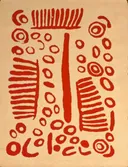

Wintjiya Napaltjarri
(1932 - 2014)
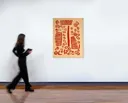
WATANUMA, 2011
synthetic polymer paint on linen
122.0 x 91.0 cm
bears inscription verso: artist's name, size and Papunya Tula Artists cat. WN1103018
Estimate:
$4,000 - $6,000
Sold:
$3,927 (inc. BP)
© Wintjiya Napaltjarri/Copyright Agency 2024
lot details
Papunya Tula Artists, Alice Springs, Northern Territory
Private collection, Melbourne, acquired from the above in 2011
Exhibited
WaterMark – the Signature of Life: Aboriginal Art Masterpieces in Hong Kong, The Space, Hong Kong, 6 – 8 September 2012 (illus. in exhibition catalogue)
WaterMark – the Signature of Life: A Collection of Aboriginal Masterpieces, The Arts House, Singapore, 21 November 2014 (illus. in exhibition catalogue, p. 11)
Related Works
Watanuma, 2008, synthetic polymer paint on canvas, 151.2 x 182.0, held in the collection of the National Gallery of Victoria, Melbourne
This work is accompanied by a certificate of authenticity from Papunya Tula Artists which states:
‘This painting depicts designs associated with the soakage site of Watanuma, north-west of the Kintore Community. The roundels in this work represent the soakage waters. A group of ancestral women once gathered at Watanuma to perform the dances and sing the songs associated with the area. The women also spun hair-string for making nyimparra (hair-string skirts), which are worn by both men and women during ceremonies. The nyimparra are represented by the comb like shapes. The small circles in the painting depict the burrowed holes of flying ants, also known as watanuma. Upon completion of these ceremonies the women continued their travels to the rockhole site of Malparingya and then continued east to Pinari, also north-west of Kintore. As they travelled the women gathered large quantities of the edible fruit known as pura (also known in Pintupi as pintalypa), or bush tomato, from the small shrub Solanum chippendalei. This fruit is the size of a small apricot and, after the seeds have been removed, can be stored for long periods by halving the fruit and skewering them onto a stick.’