
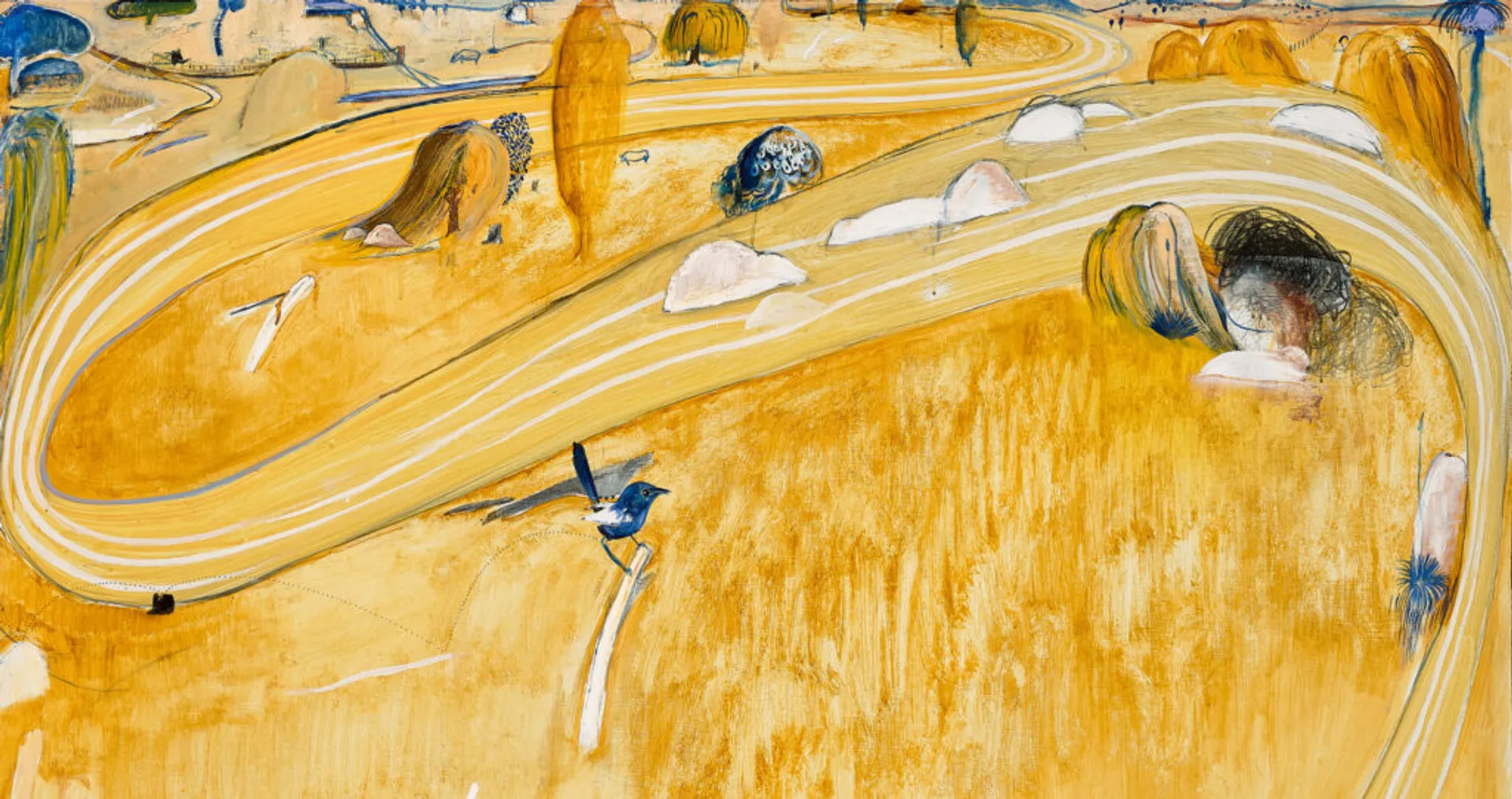
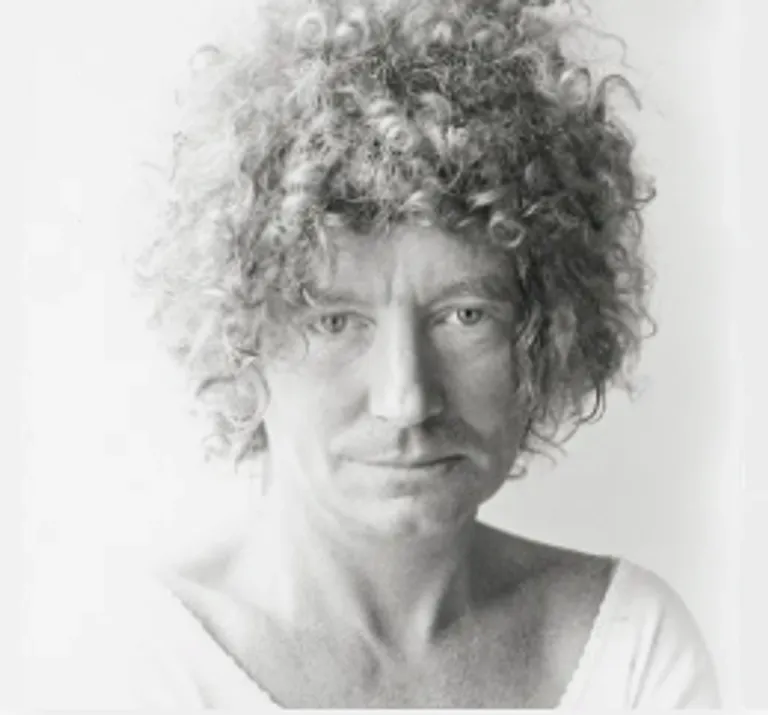
Born in Paddington, Sydney in 1939, Brett Whiteley grew up around Sydney Harbour, a landscape that would later become central to his imagination. As a young artist he absorbed the influence of figures such as William Dobell, Lloyd Rees, Russell Drysdale and Vincent van Gogh, while also looking outward to European modernism and the international art world. His ambition was evident early. In 1961, while still in his early twenties, his work was acquired by the Tate in London — a remarkable achievement that helped announce him as one of the most gifted Australian artists of his generation.
Whiteley’s career unfolded across Sydney, London, New York, Fiji and Europe, but his work always returned to questions of sensation, place, memory and artistic identity. He was not a painter of quiet neutrality. His art is often charged with movement, appetite and risk: the curve of a body, the sweep of a harbour, the shimmer of blue air, the nervous energy of a studio interior, or the psychological weight of self-portraiture. Deutscher and Hackett’s catalogue writing has described his work as marked by extraordinary draughtsmanship, facility of line, rapid brushwork, movement and an inventive use of materials.
In the 1970s, Whiteley reached a level of public recognition rare for an Australian artist. His Lavender Bay works, inspired by the views from his Sydney home, are now among the most admired images in Australian art. These works transformed the harbour into something intimate and almost private — a theatre of blue water, gardens, rooftops, windows and light. In 1976 he won both the Archibald Prize and the Sulman Prize; in 1977 he won the Wynne Prize; and in 1978 he achieved the extraordinary distinction of winning the Archibald, Wynne and Sulman prizes in the same year. Deutscher and Hackett has noted that he remains the only artist to have achieved this triple honour in a single year.
Whiteley’s art is inseparable from the intensity of his life, but the best works should not be reduced to biography alone. His achievement lies in the way he converted experience into form. In his landscapes, birds, interiors, portraits and self-portraits, line becomes a kind of living force. His work can be lyrical, erotic, restless, theatrical, tender and deeply Australian, often at the same time. The strongest examples hold that tension beautifully: a sense of pleasure and danger, brilliance and vulnerability, freedom and control.
For Deutscher and Hackett, Whiteley is an artist whose work demands careful looking and careful handling. Questions of date, subject, medium, scale, provenance, exhibition history, literature and catalogue raisonné reference are all central to understanding the importance of individual works. His market is strong, but it is also discerning. Collectors respond most confidently to works with clear provenance, strong visual presence, sound condition and a meaningful place within the artist’s broader career.
To collect Brett Whiteley is to participate in the custodianship of one of Australia’s most significant artistic legacies. His work continues to speak across generations because it joins personal vision with national memory. Whether through the harbour, the studio, the landscape or the human figure, Whiteley gave Australian art some of its most vivid and enduring images.
Collector’s note
Whiteley’s work continues to occupy a prominent place in the Australian secondary market. Major paintings, works with strong provenance, and pieces connected to key periods such as Lavender Bay, landscape, birds, portraiture and self-portraiture remain especially sought after. As with all important Australian art, the value of a Whiteley work is shaped by quality, condition, provenance, exhibition history, literature, date, scale and subject.
Deutscher and Hackett’s role is to place each work within that wider context: not simply as an object for sale, but as part of an artist’s legacy and a collector’s responsibility. This is where connoisseurship matters. The best auction presentation gives buyers confidence that a work has been properly researched, accurately catalogued and understood within the artist’s career.
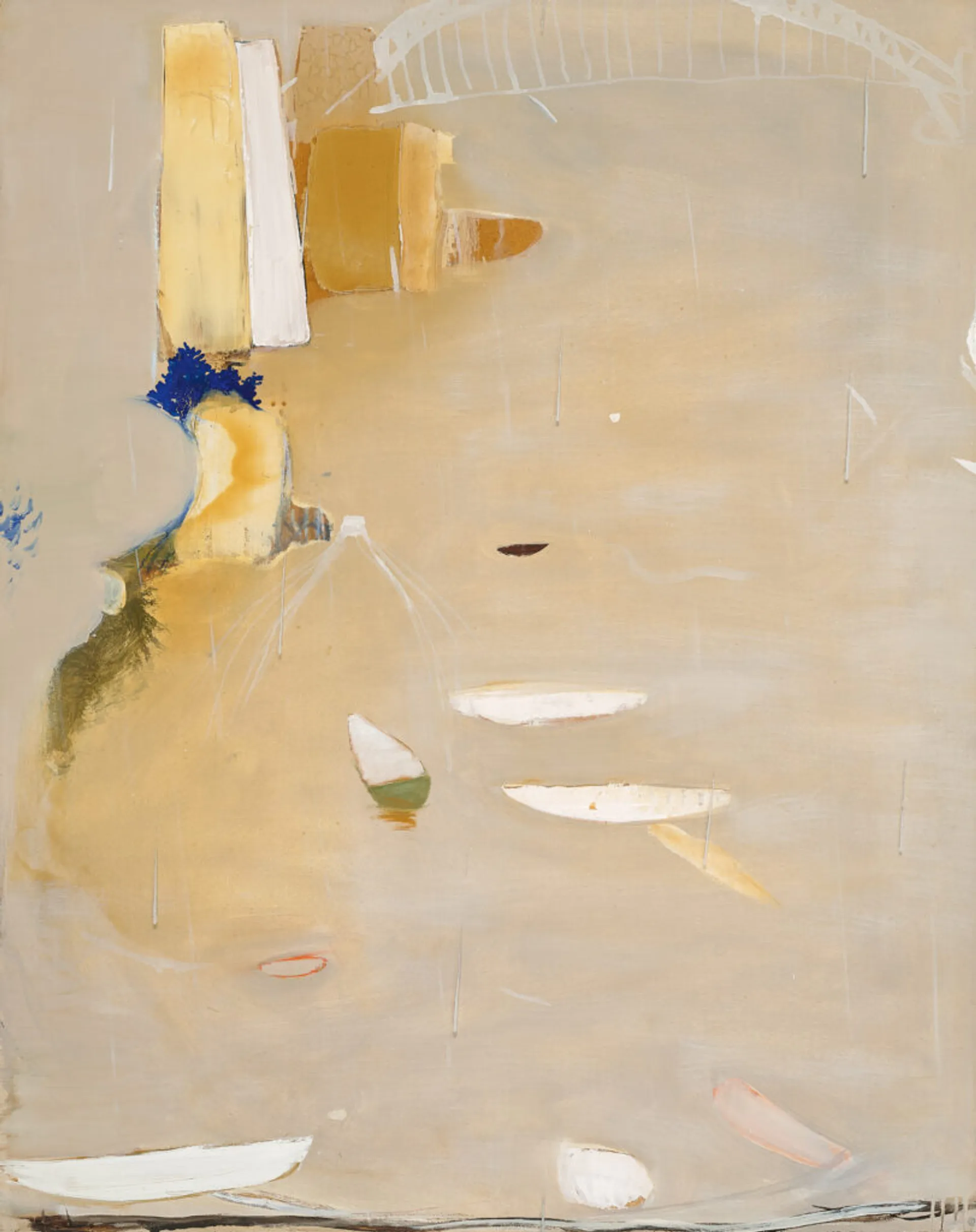
Brett Whiteley
(1939 - 1992)
live auction, 14 October 2026
Estimate $900,000 - $1,200,000
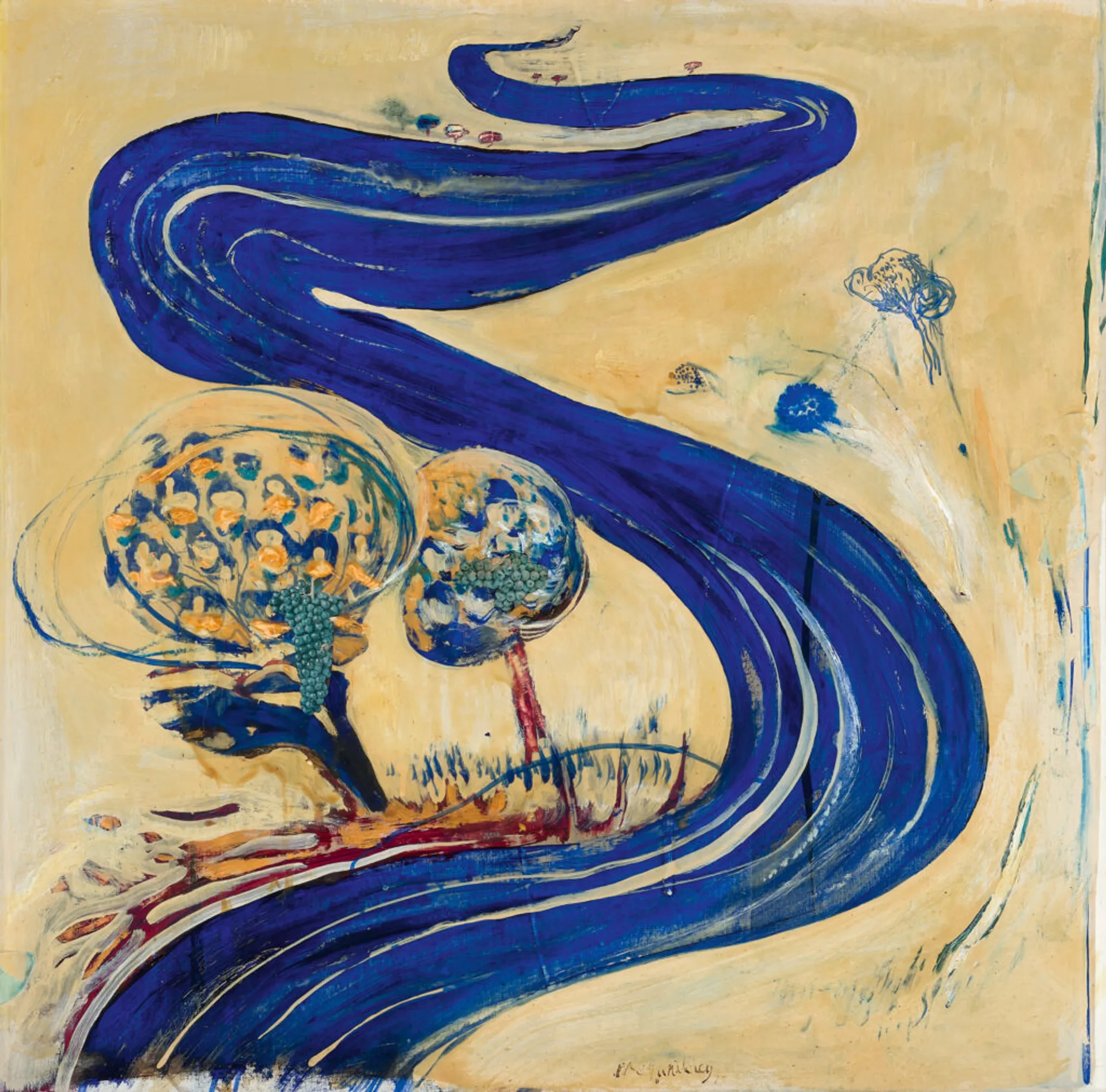
Brett Whiteley
(1939 - 1992)
live auction, 14 October 2026
Estimate $350,000 - $450,000
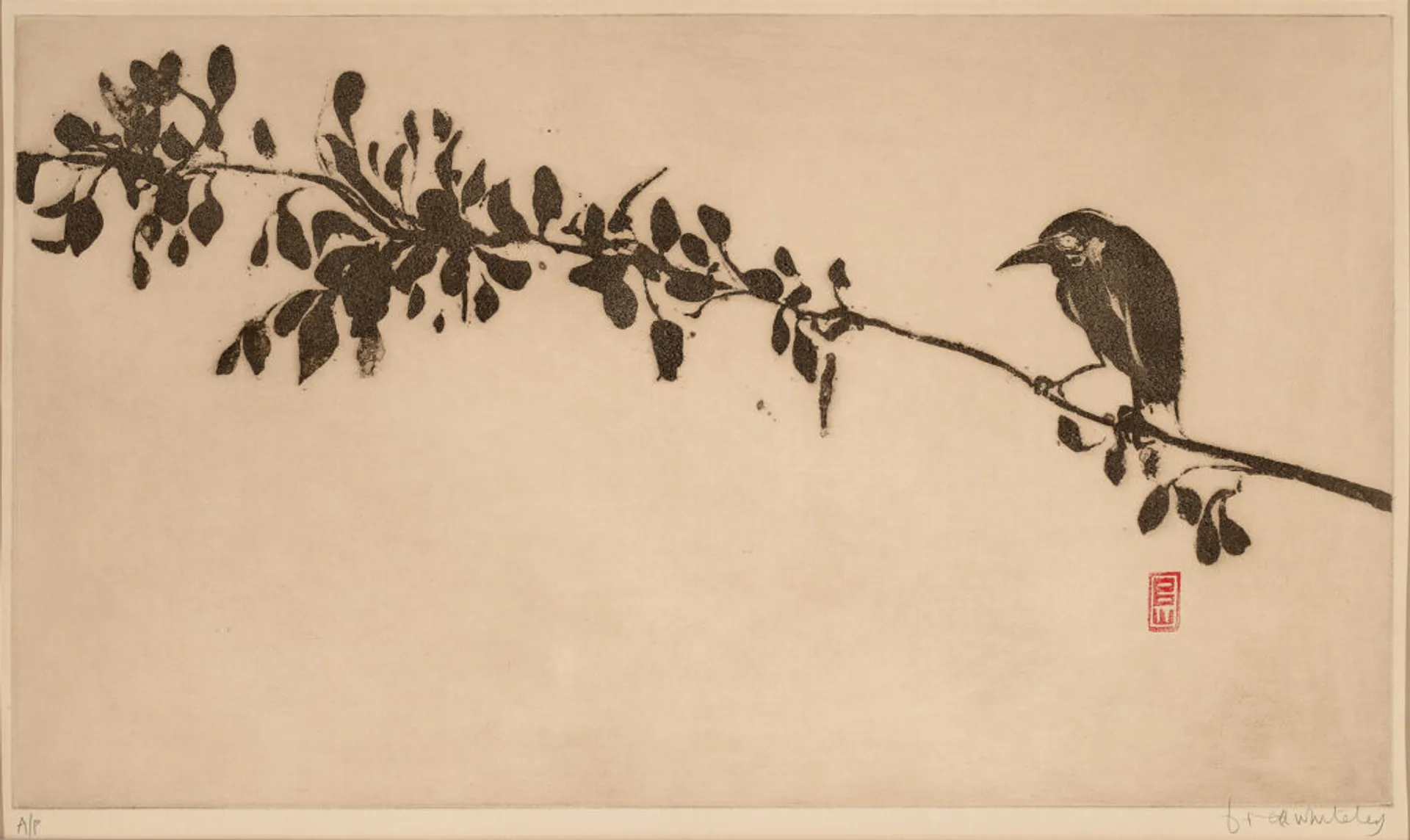
Brett Whiteley
(1939 - 1992)
online auction, 15 September 2026
Estimate $12,000 - $18,000
Sold $19,636 (inc. BP)
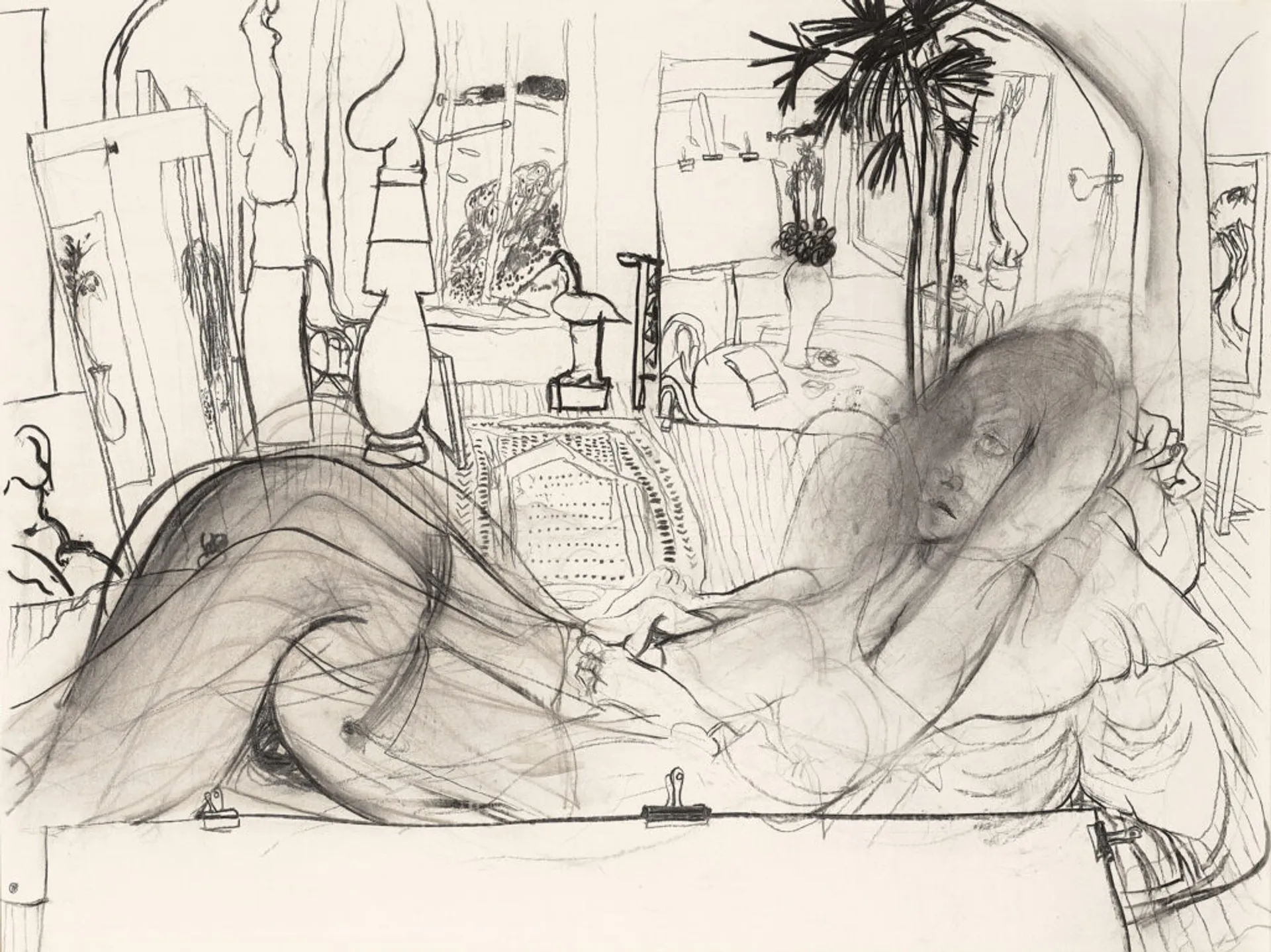
Brett Whiteley
(1939 - 1992)
live auction, 26 August 2026
Estimate $120,000 - $180,000
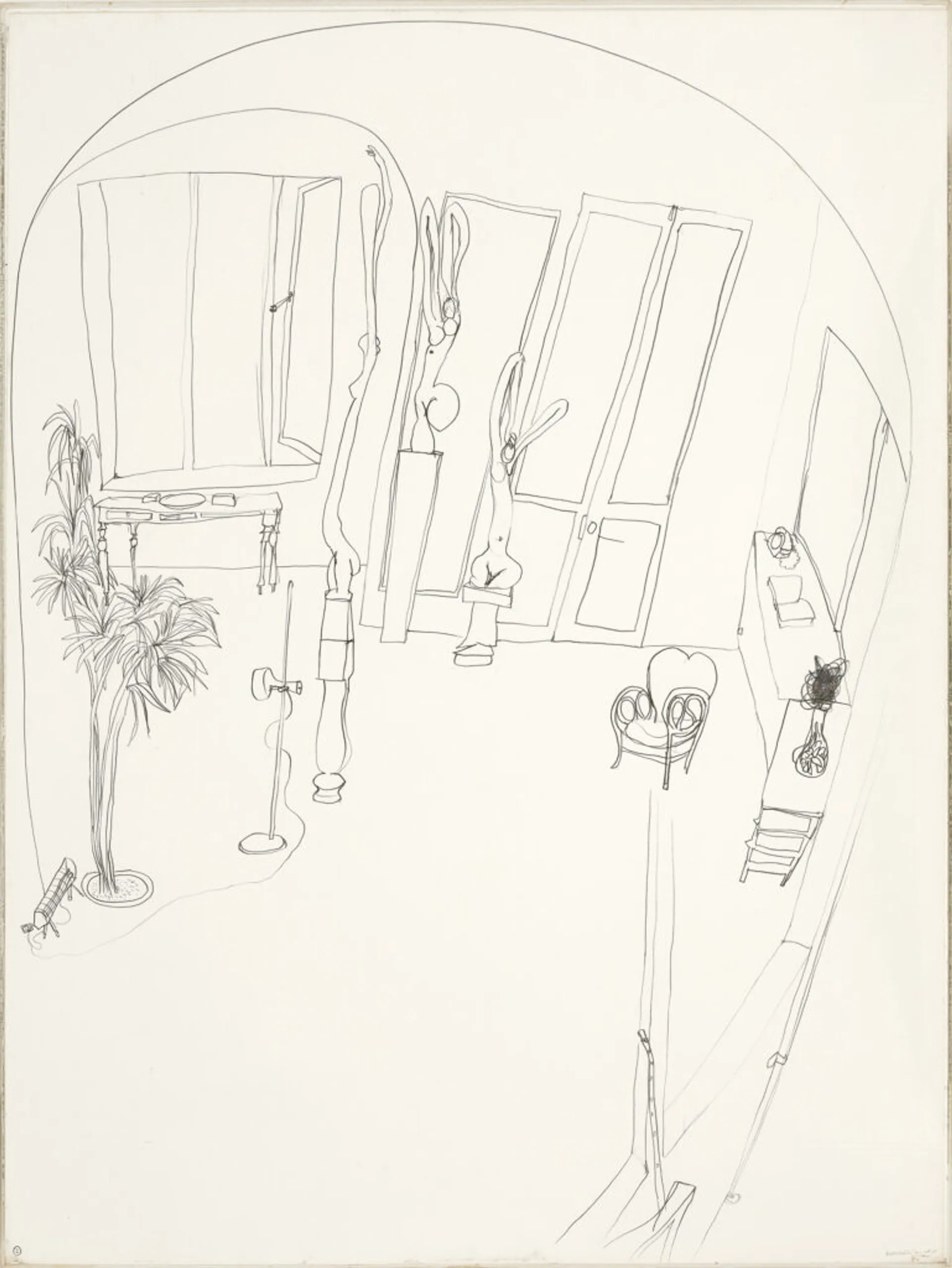
Brett Whiteley
(1939 - 1992)
live auction, 26 August 2026
Estimate $60,000 - $80,000
Sold $61,364 (inc. BP)
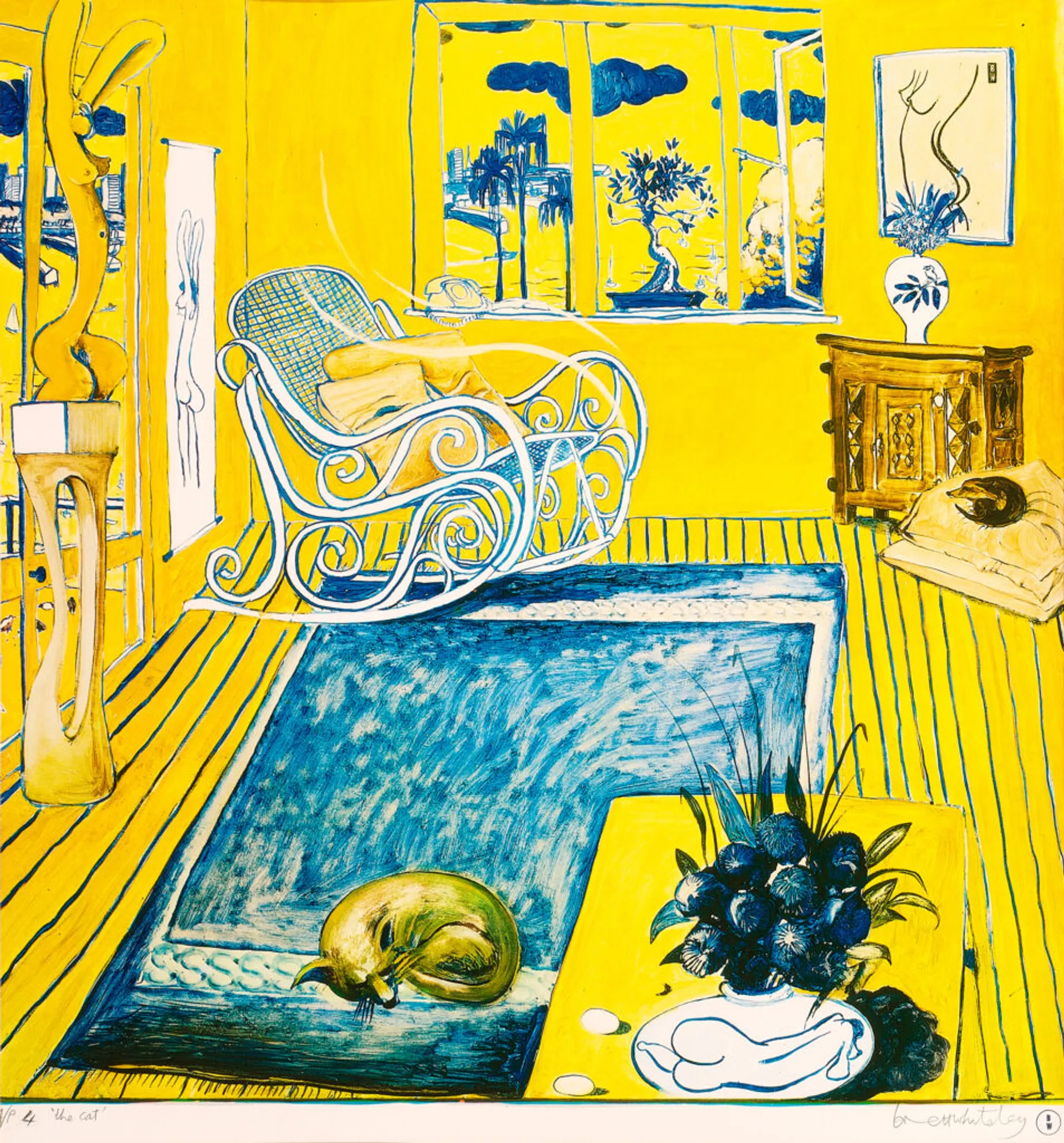
Brett Whiteley
(1939 - 1992)
online auction, 19 May 2026
Estimate $28,000 - $35,000
Sold $29,455 (inc. BP)
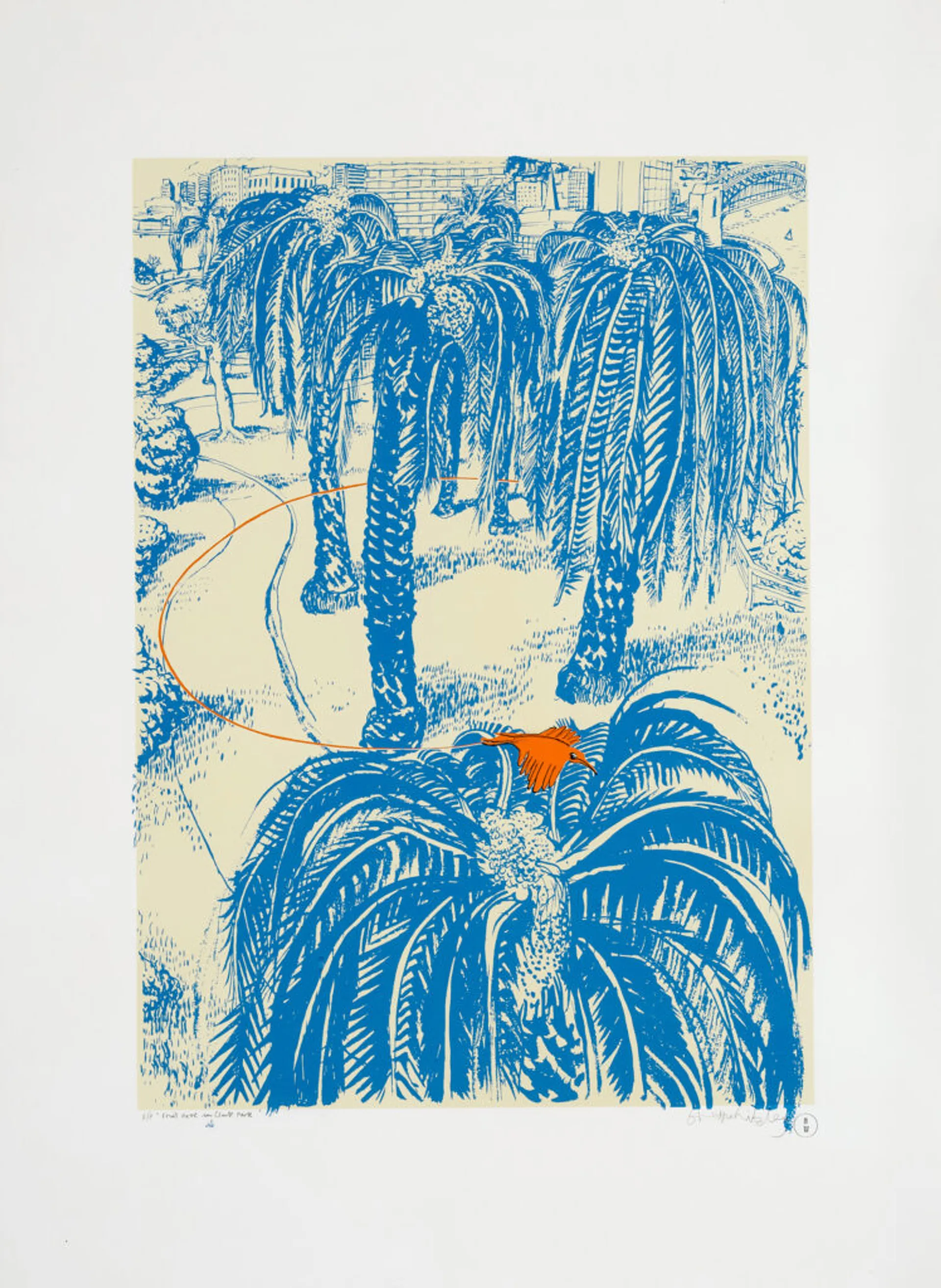
Brett Whiteley
(1939 - 1992)
online auction, 19 May 2026
Estimate $12,000 - $18,000
Sold $22,091 (inc. BP)
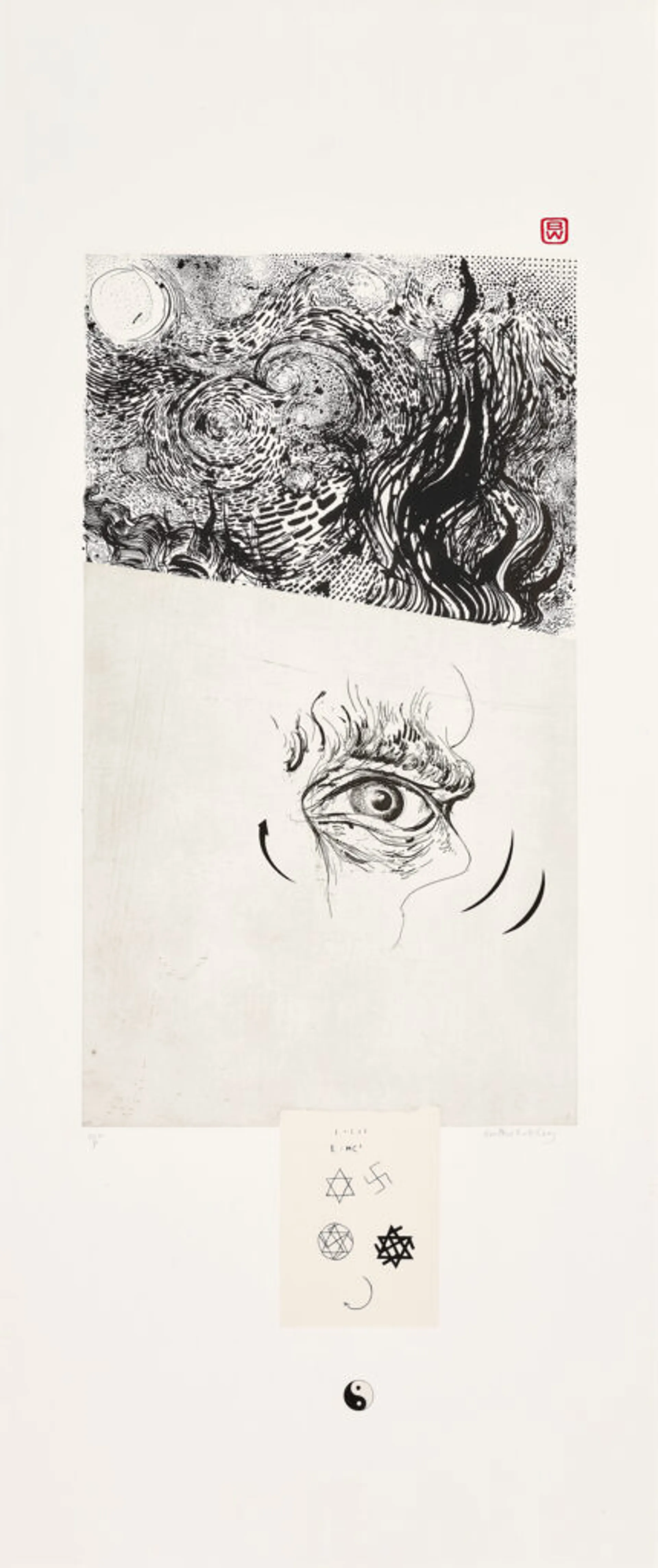
Brett Whiteley
(1939 - 1992)
online auction, 19 May 2026
Estimate $20,000 - $30,000
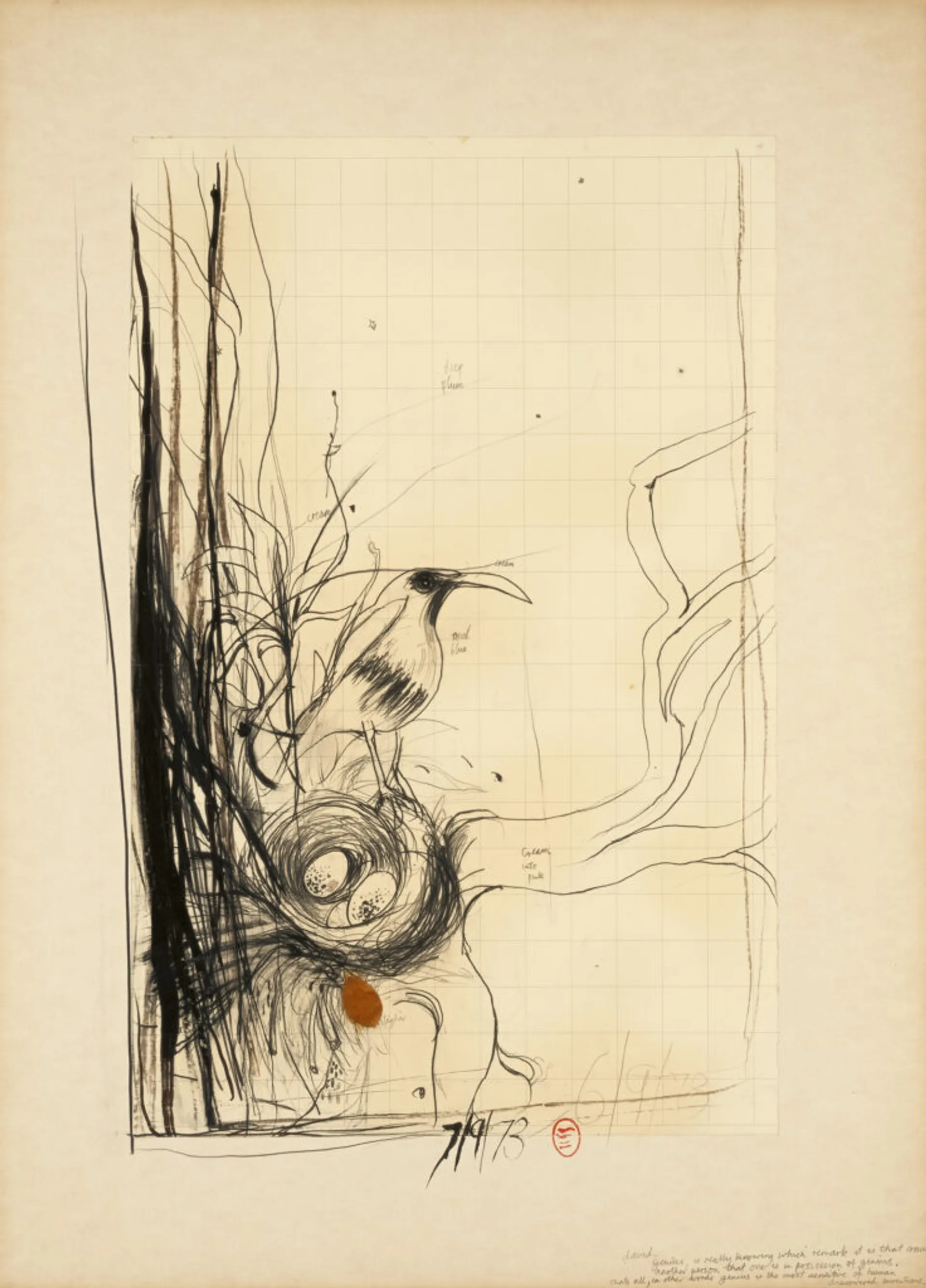
Brett Whiteley
(1939 - 1992)
live auction, 29 April 2026
Estimate $40,000 - $60,000
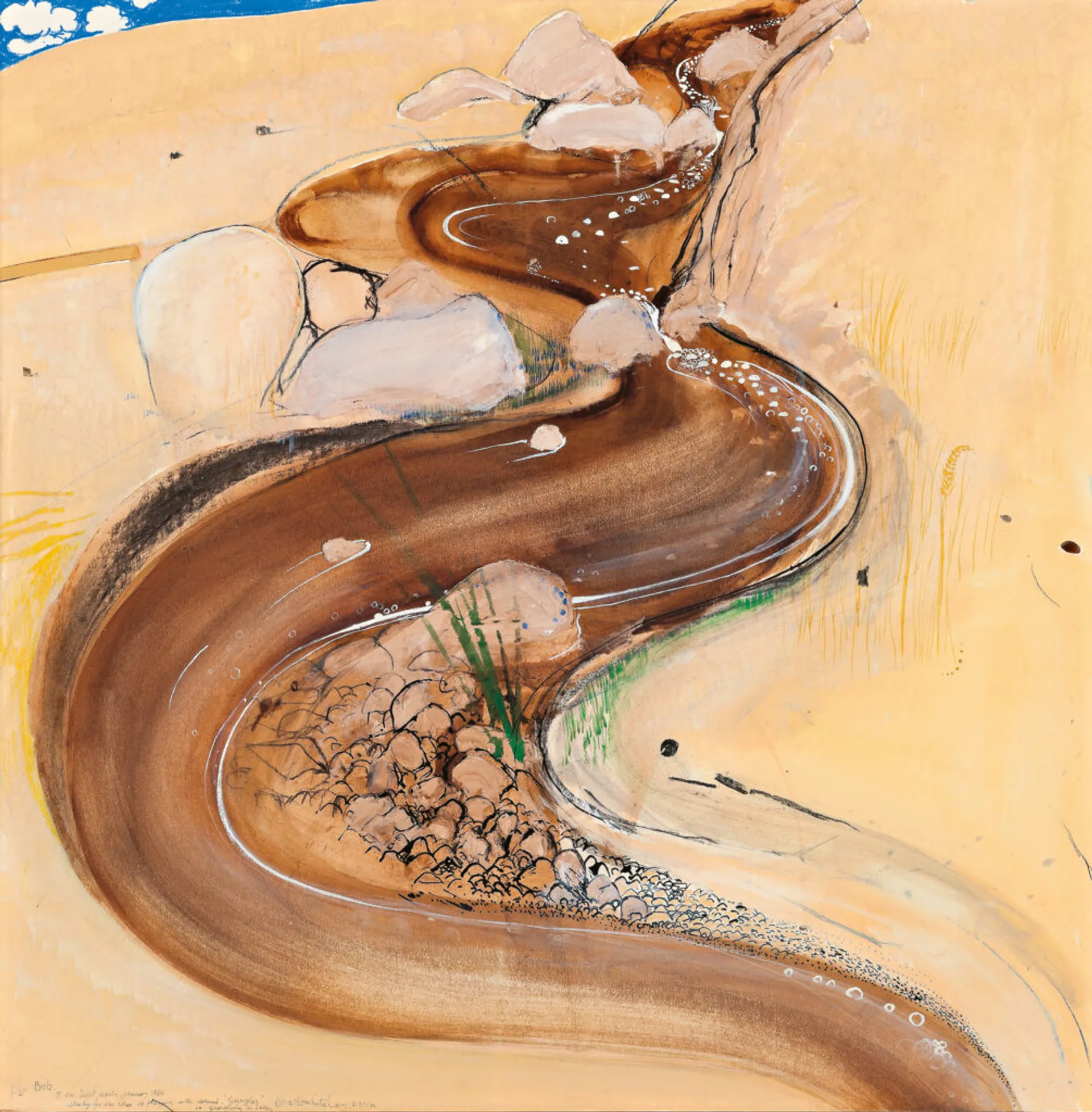
Brett Whiteley
(1939 - 1992)
live auction, 29 April 2026
Estimate $400,000 - $600,000
Sold $454,091 (inc. BP)
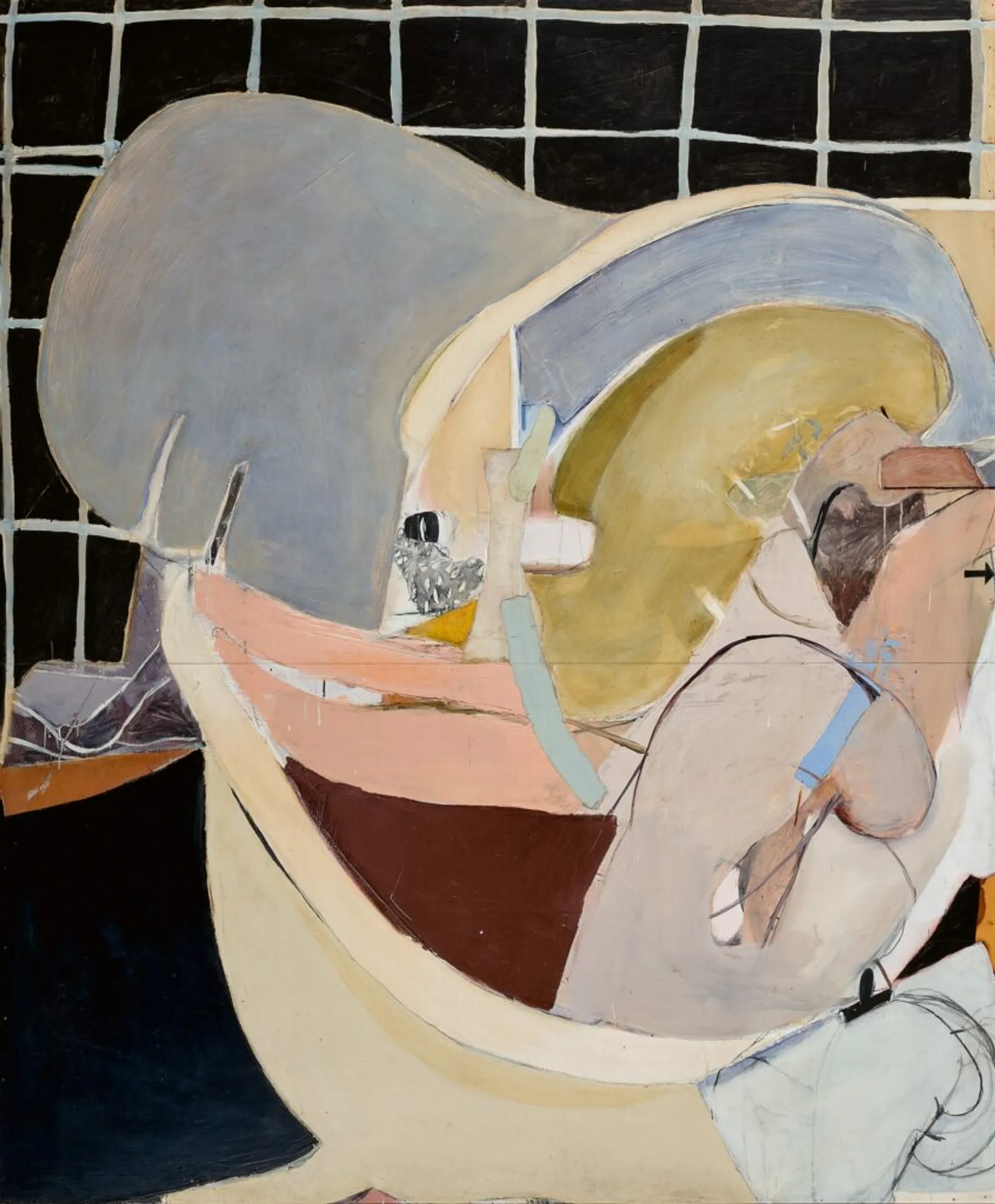
Brett Whiteley
(1939 - 1992)
live auction, 29 April 2026
Estimate $1,500,000 - $2,500,000
Sold $1,202,727 (inc. BP)
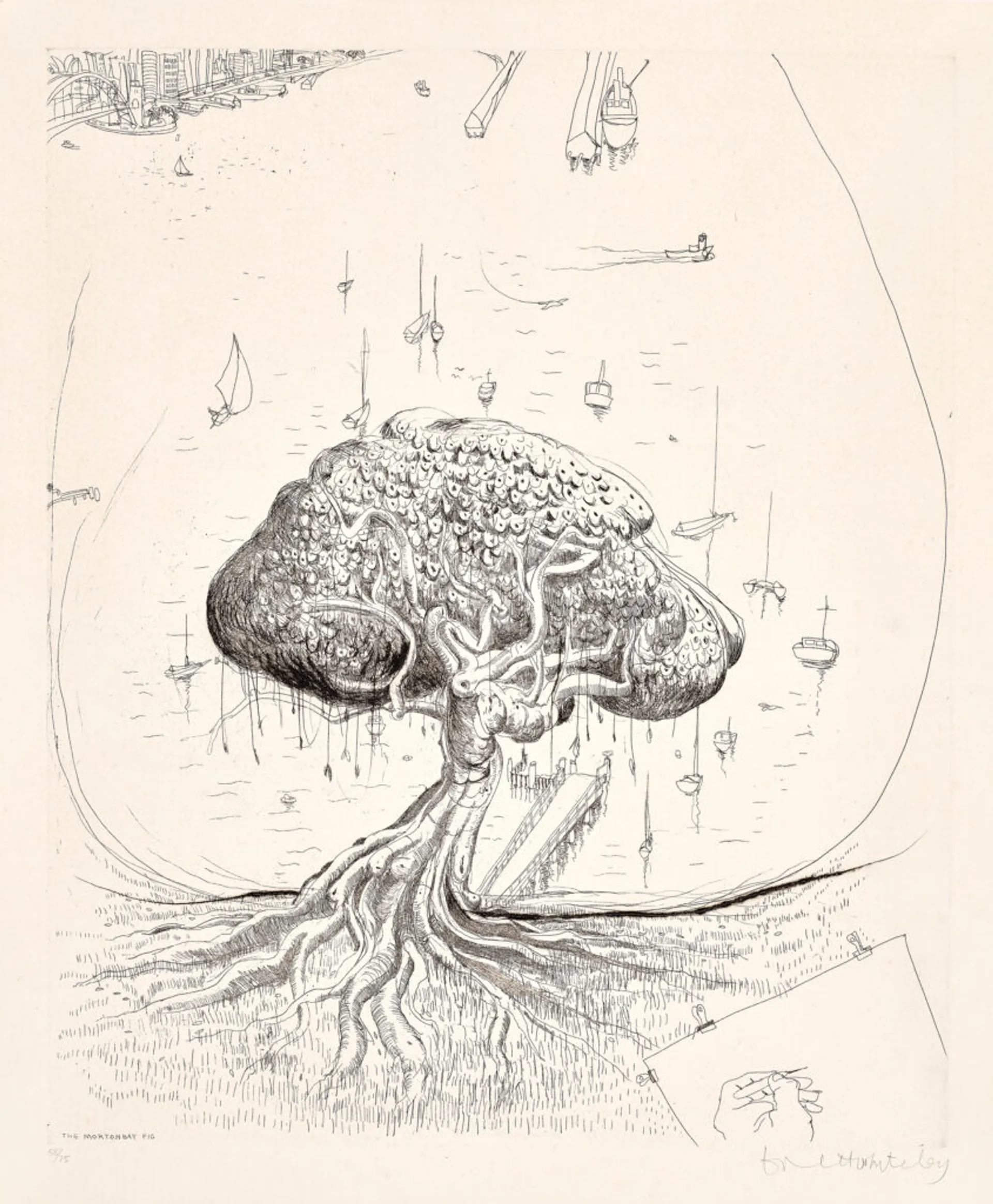
Brett Whiteley
(1939 - 1992)
online auction, 14 October 2025
Estimate $10,000 - $15,000
Sold $14,727 (inc. BP)